Reaction equation
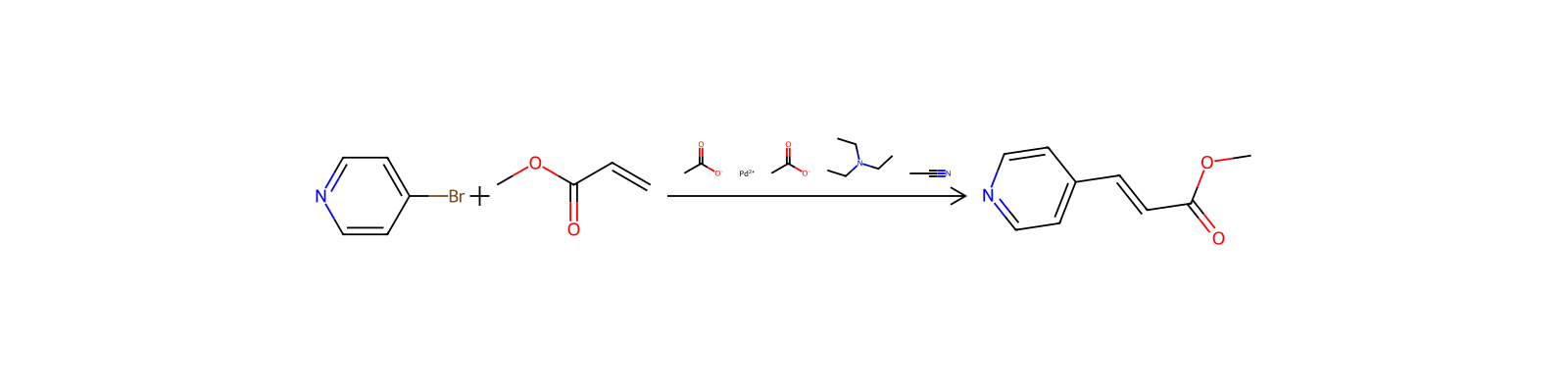
Br[C:2]1[CH:7]=[CH:6][N:5]=[CH:4][CH:3]=1.[C:8]([O:12][CH3:13])(=[O:11])[CH:9]=[CH2:10]>C([O-])(=O)C.[Pd+2].C([O-])(=O)C.C(N(CC)CC)C.CC#N>[N:5]1[CH:6]=[CH:7][C:2]([CH:10]=[CH:9][C:8]([O:12][CH3:13])=[O:11])=[CH:3][CH:4]=1Participants
6




Conditions
- Temperature
- 0 °C
Procedure
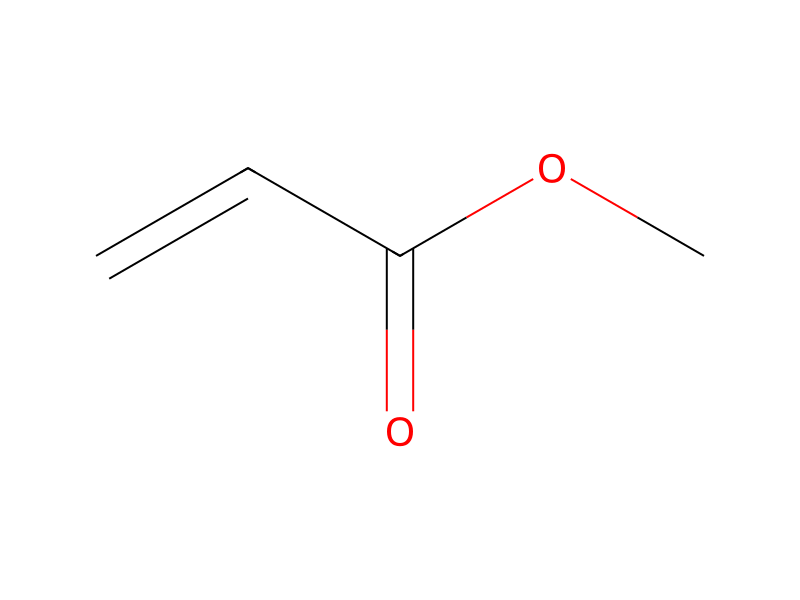
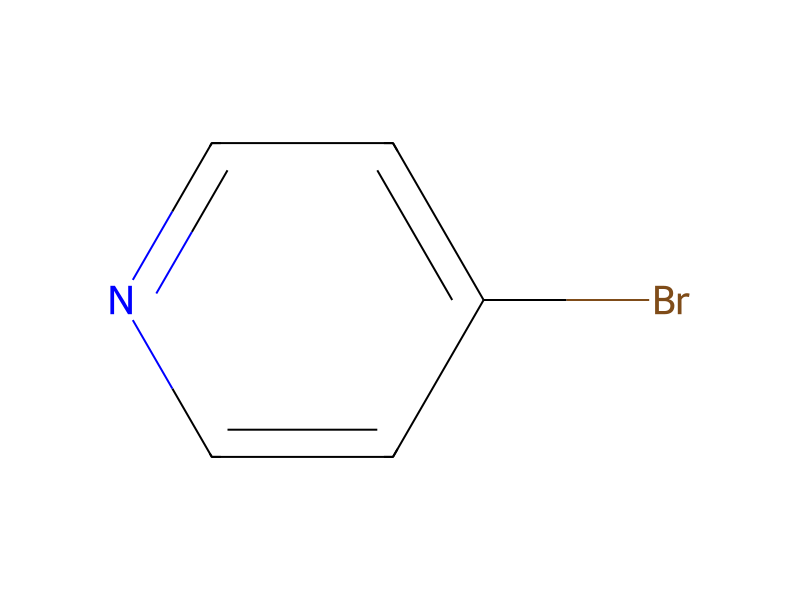
A mixture of 4-bromopyridine (40.6 g, 0.25 mmol), palladium acetate (1.16 g, 5.14 mmol), tri-(O-tolyl)phosphine (3.14 g, 10.3 mmol), CH3CN (129 mL), triethylamine (64.3 mL, 0.46 mmol) and methyl acrylate (46.8 mL, 0,514 mmol) was sealed in a bomb and placed in an oil bath at 120° C. for 4 hours. The mixture was cooled to 0° C., the bomb was vented, and the slurry thus obtained was partitioned between CH2Cl2 /water. The aqueous phase was separated, extracted with CH2Cl2 (2×200 mL) and the combined organic layers were dried over MgSO4. The solvent was removed in vacuo to afford 38 g of methyl 3-(4-pyridyl)propenoate.
Workup
- customwas sealed in a bomb
- customthe slurry thus obtained
- customwas partitioned between CH2Cl2 /water
- customThe aqueous phase was separated
- extractionextracted with CH2Cl2 (2×200 mL)
- dry with materialthe combined organic layers were dried over MgSO4
- customThe solvent was removed in vacuo
Sources & evidence
- ORD record
- ord-c39ff30587674723a1fee0bd3c349348
- Source dataset
- uspto-grants-1995_01
- Patent number
- US05380721
Linked notes
Loading…