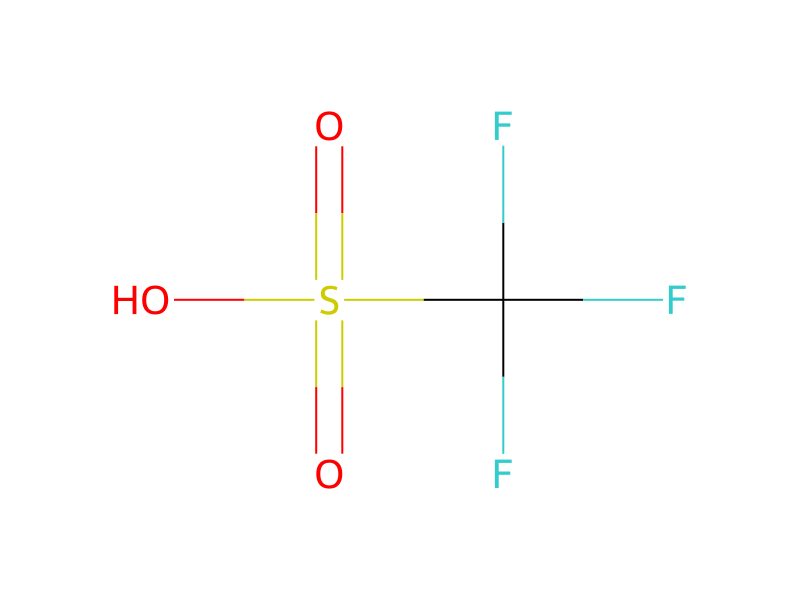
3-O-methyl-1,2:5,6-di-O-isopropylidine-glucopyranose (10.2 g) was dissolved in 90% aqueous trifluoroacetic acid (30 mL) and stirred for 1 hour at room temperature. The reaction mixture was evaporated and then coevaporated with toluene followed by ethanol coevaporation to provide the product which was directly used for further allyl glycosylaion. 7.9 g of 3-O-methyl-glucopyranose was dissolved in 50 mL of dry allyl alcohol and 120 μL of trifluoromethanesulfonic acid was added. The mixture was heated for 5 1/2 h at 80° C. Triethylamine (1 mL) was added to destroy excess trifluoromethanesulfonic acid, evaporated and coevaporated with water to remove allyl alcohol. The material was purified by chromatography on silica gel using dichloromethane-methanol (20: 1) as eluent to yield allyl-3-O-methyl-glucopyranose (4.85 g, 50.8%).