Reaction equation

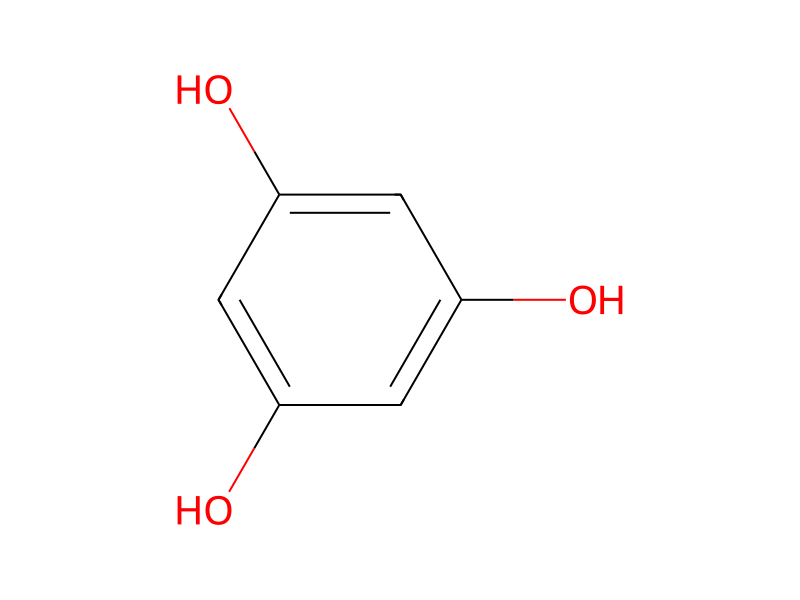
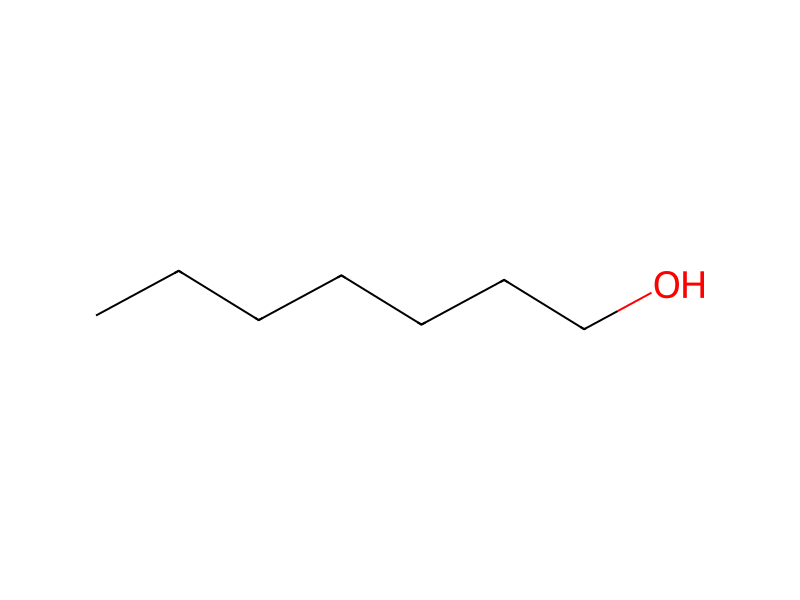
O[C:2]1[CH:7]=[C:6]([OH:8])[CH:5]=[C:4]([OH:9])[CH:3]=1.C1(C)C=CC(S(O)(=O)=O)=CC=1.[NH2:21][C:22]1[C:23]([C:32](OCC)=[O:33])=[N:24][C:25]2[C:30]([CH:31]=1)=[CH:29][CH:28]=[CH:27][CH:26]=2>C(O)CCCCCC>[OH:8][C:6]1[C:7]2[C:32](=[O:33])[C:23]3[N:24]=[C:25]4[CH:26]=[CH:27][CH:28]=[CH:29][C:30]4=[CH:31][C:22]=3[NH:21][C:2]=2[CH:3]=[C:4]([OH:9])[CH:5]=1Participants
5
Reactant 3


Product 1

Reagents, catalysts & solvents 1
Procedure
3.5 g of 1,3,5-trihydroxybenzene and 62.5 mg of paratoluenesulphonic acid are added to a solution of 5 g of ethyl 3-amino-2-quinolinecarboxylate in 50 ml of heptan-1-ol. The mixture is stirred for 48 hours at reflux using a Dean Stark apparatus and then the reaction mixture is concentrated in vacuo. Chromatography on silica gel (cyclohexane/acetone 90/10) allows 5.2 g of the expected product to be isolated.
Workup
- temperatureat reflux
- concentrationthe reaction mixture is concentrated in vacuo
- customto be isolated
Sources & evidence
- ORD record
- ord-f98ea78f58f84382a1b3d6e833a71816
- Source dataset
- uspto-grants-2010_06
- Patent number
- US07741325B2
Linked notes
Loading…