Reaction equation

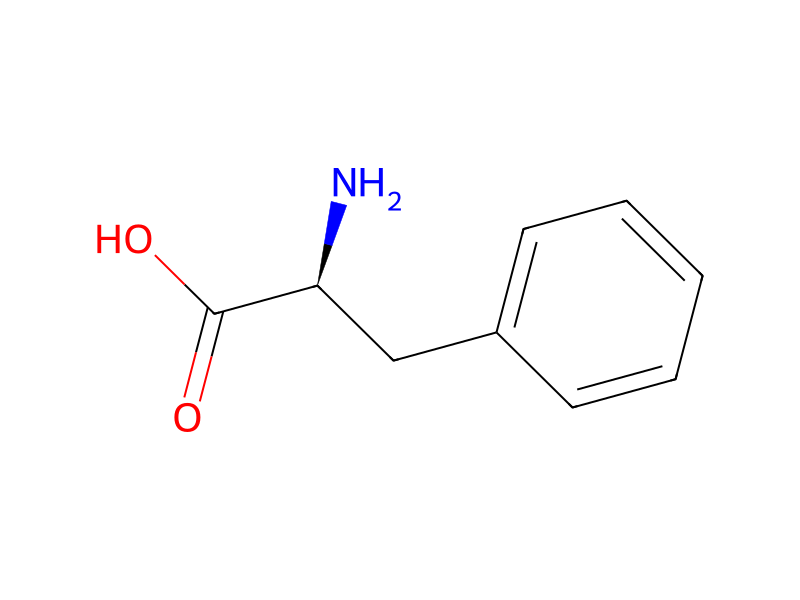
[ClH:1].[NH2:2][C@H:3]([C:11]([OH:13])=[O:12])[CH2:4][C:5]1[CH:10]=[CH:9][CH:8]=[CH:7][CH:6]=1.[NH2:14][C@H:15]([C:24]([OH:26])=[O:25])[CH2:16][C:17]1[CH:22]=[CH:21][C:20]([OH:23])=[CH:19][CH:18]=1>C(O)(C)C>[ClH:1].[CH:15]([O:12][C:11](=[O:13])[C@H:3]([CH2:4][C:5]1[CH:10]=[CH:9][CH:8]=[CH:7][CH:6]=1)[NH2:2])([CH3:24])[CH3:16].[ClH:1].[CH:3]([O:25][C:24](=[O:26])[C@H:15]([CH2:16][C:17]1[CH:18]=[CH:19][C:20]([OH:23])=[CH:21][CH:22]=1)[NH2:14])([CH3:11])[CH3:4]Participants
6




Procedure
Excess HCl gas was added with stirring to a suspension of L-phenylalanine or L-tyrosine in excess isopropanol. The mixture was heated to reflux for 16 h, and then the volatiles were evaporated under vacuum to give L-phenylalanine isopropyl ester hydrochloride or L-tyrosine isopropyl ester hydrochloride of sufficient purity for immediate use.
Workup
- temperatureThe mixture was heated
- temperatureto reflux for 16 h
- customthe volatiles were evaporated under vacuum
Sources & evidence
- ORD record
- ord-733fefb0a17c4d6aa12ad2ef65fce39e
- Source dataset
- uspto-grants-2010_06
- Patent number
- US07741328B2
Linked notes
Loading…