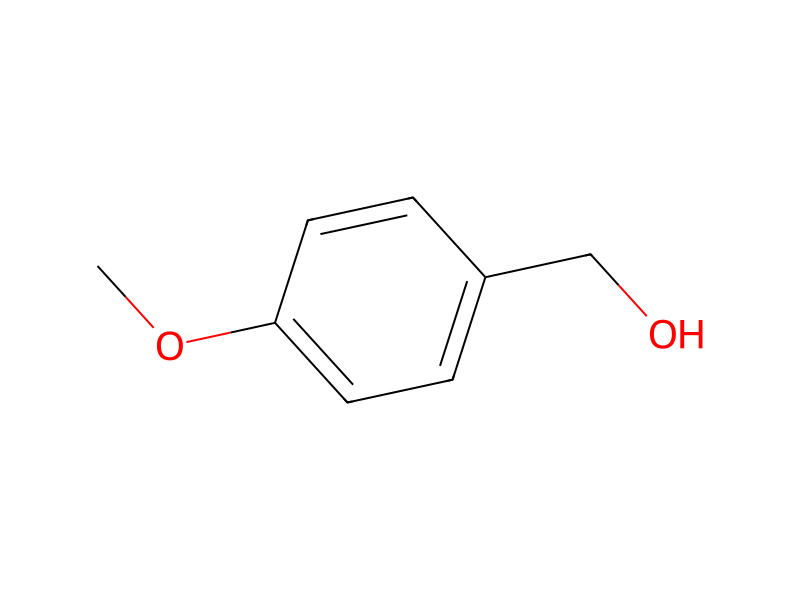
1-Bromo-3-fluoro-2-methylbenzene (388 mg, 2.05 mmol), and (4-methoxyphenyl)methanol (0.511 mL, 4 mmol) were dissolved in DMF (5 mL) in a microwave vessel. Sodium hydride as a 60% dispersion in mineral oil (164 mg, 4.0 mmol) was added portionwise under a flow of nitrogen over 10 min. The reaction vessel was then sealed and heated at 180° C. for 900s. The crude reaction mixture was poured onto 1:1 water:brine (6 mL) and DCM (10 mL). The biphasic mixture was stirred at ambient temperature for 1 h and then the organic and aqueous layers were separated. The combined organics were dried over Na2SO4 and concentrated in vacuo. The crude material was then purified by chromatography on silica gel. Elution with 5:95 ethyl acetate:heptane afforded 1-bromo-3-(4-methoxybenzyloxy)-2-methylbenzene (289 mg, 0.9 mmol, 46%).