HomeMCPWorkbenchSkills
HomeWorkbenchNotificationsMe
llms.txt · MCP GuidePrivacy Policy · Terms of Service · Supportv1.8.3
  1. Home
  2. /Reaction

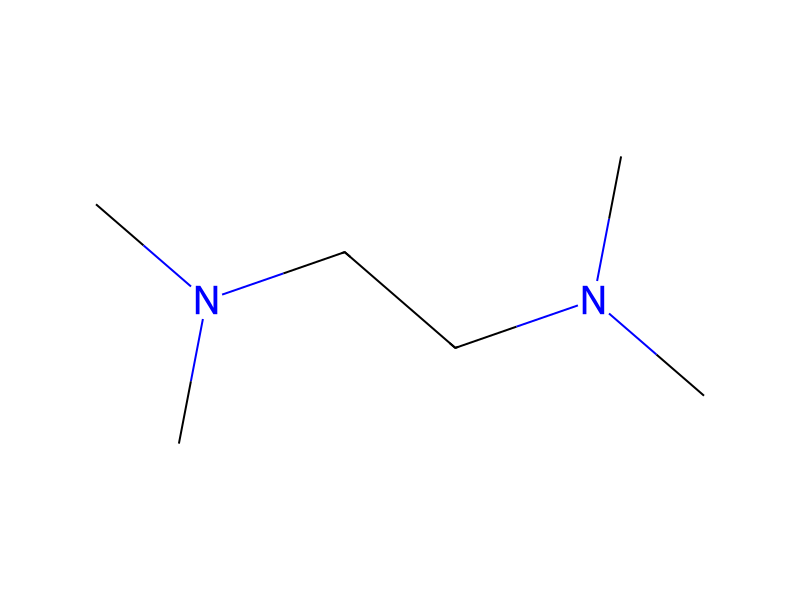
N,N,N',N'-Tetramethylethylenediamine → 3-Isopropyl-6-(6-methylpyridin-2-ylethynyl)-[1,2,4]triazolo(4,3-a)pyridine

HRID 1826707
Print

Reaction equation

HRID 1826707 reaction equation
[CH:1]([C:4]1[N:8]2[CH:9]=[C:10]([C:13]#[CH:14])[CH:11]=[CH:12][C:7]2=[N:6][N:5]=1)([CH3:3])[CH3:2].CN(CCN(C)C)C.Br[C:24]1[CH:29]=[CH:28][CH:27]=[C:26]([CH3:30])[N:25]=1>C1C=CC(P(C2C=CC=CC=2)C2C=CC=CC=2)=CC=1.C1C=CC(P(C2C=CC=CC=2)C2C=CC=CC=2)=CC=1.Cl[Pd]Cl.[Cu](I)I.C1COCC1>[CH:1]([C:4]1[N:8]2[CH:9]=[C:10]([C:13]#[C:14][C:24]3[CH:29]=[CH:28][CH:27]=[C:26]([CH3:30])[N:25]=3)[CH:11]=[CH:12][C:7]2=[N:6][N:5]=1)([CH3:3])[CH3:2]
ParticipantsConditionsProcedureWorkupSources & evidenceReaction notes

Participants

7

Reactant 3

HCID 8037N,N,N',N'-TetramethylethylenediamineHCID 792052-Bromo-6-methylpyridineHCID 221362016-Ethynyl-3-isopropyl-[1,2,4]triazolo[4,3-a]pyridine

Product 1

HCID 221362043-Isopropyl-6-(6-methylpyridin-2-ylethynyl)-[1,2,4]triazolo(4,3-a)pyridineYield 38.3%

Reagents, catalysts & solvents 3

HCID 83717
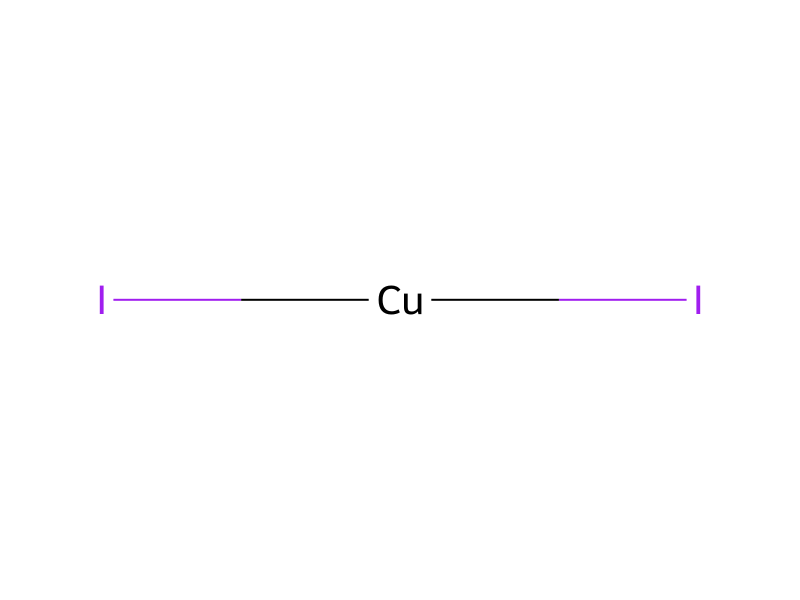
Copper iodide
Catalyst
HCID 6102075Dichlorobis(triphenylphosphine)palladiumCatalyst
HCID 8028TetrahydrofuranSolvent

Conditions

Temperature
60 °C

Procedure

To a 250 mL round bottom flask was added 1.47 grams (7.94 mmol) of 3-Isopropyl-6-ethynyl-[1,2,4]triazolo(4,3-a)pyridine, 40 mL of anhydrous THF, 40 mL of TMEDA, 279 mg (0.4 mmol) of bis(triphenylphosphine)palladium (II) chloride, 151 mg (0.8 mmol) of copper iodide, and 1.8 mL (15.9 mmol, d=1.512) of 2-bromo-6-methylpyridine. Argon gas was bubbled into the reaction mixture for 5 minutes. The reaction mixture was stirred at 60° C. for 5 hours. The reaction mixture was cooled and concentrated to dryness. The residue was suspended in a mixture of ethyl acetate and water (80 mL each) and filtered through celite that was packed with ethyl acetate. The celite was washed with 100 mL of ethyl acetate. After separating the organic layer, the filtrate was extracted with 50 mL of ethyl acetate. All the organic layers were combined, washed with 100 mL of water, then washed with 100 mL of brine, dried over magnesium sulfate, filtered, and concentrated. Product was purified by flash column chromatography (Biotage flash 40M silica gel packed cartridge) using a 0 to 80% ethyl acetate/chloroform solvent step-gradient which yielded 840 milligrams (38%) of an orange syrup. HPLC tR=4.27 min (100%), LC-MS=277 (M+1).

Workup

  1. customArgon gas was bubbled into the reaction mixture for 5 minutes
  2. temperatureThe reaction mixture was cooled
  3. concentrationconcentrated to dryness
  4. additionThe residue was suspended in a mixture of ethyl acetate and water (80 mL each)
  5. filtrationfiltered through celite that
  6. washThe celite was washed with 100 mL of ethyl acetate
  7. customAfter separating the organic layer
  8. extractionthe filtrate was extracted with 50 mL of ethyl acetate
  9. washwashed with 100 mL of water
  10. washwashed with 100 mL of brine
  11. dry with materialdried over magnesium sulfate
  12. filtrationfiltered
  13. concentrationconcentrated
  14. customProduct was purified by flash column chromatography (Biotage flash 40M silica gel packed cartridge)

Sources & evidence

ORD record
ord-200845e3132d4ad8b994ae8433f539bc
Source dataset
uspto-grants-2006_05
DOI
10.6084/m9.figshare.5104873.v1
Patent number
US07053095B2

Reaction notes

On this pageParticipantsConditionsProcedureWorkupSources & evidenceReaction notes