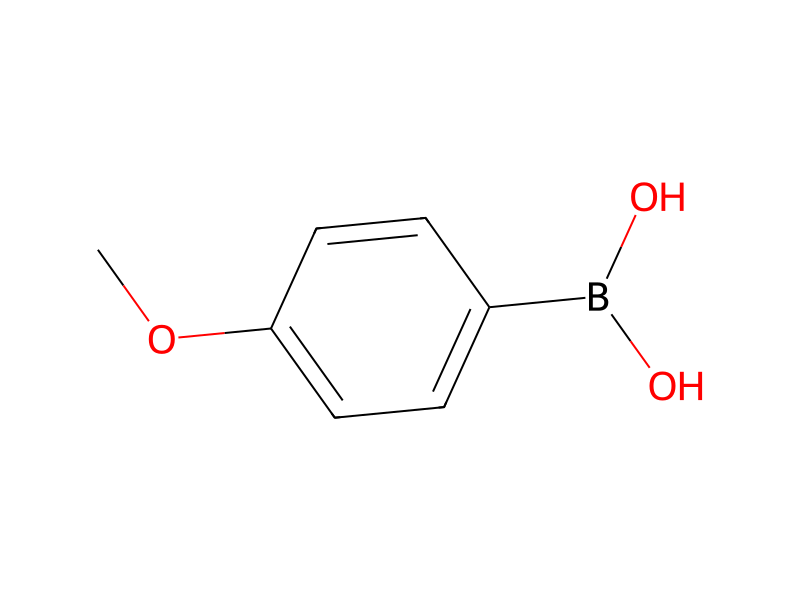
To a mixture of 4-bromoindole (1.96 g, 10 mmol), and 4-methoxyphenylboronic acid (1.52 g, 10 mmol) in THF (34 mL)) were added Palladium catalyst Pd(PPh3)4 (347 mg, 0.3 mmol) and the freshly prepared sodium hydroxide solution (1.20 g, 30 mmol in 14 mL water). The system was degassed and then charged with nitrogen. The degas procedure was repeated for three times. The mixture was stirred under nitrogen at 70° C. oil bath for 16 hours. TLC showed the completion of the coupling reaction. The mixture was cooled to room temperature, diluted with ethyl acetate, and separated from water layer. The ethyl acetate solution was washed by brine, dried over Na2SO4, and concentrated. The crude product was purified by a silica gel column eluting with hexanes—EtOAc (9:1) to provide 1.85 g (83%) of the product 4-(4-Methoxy-phenyl)-1H-indole as a white solid.