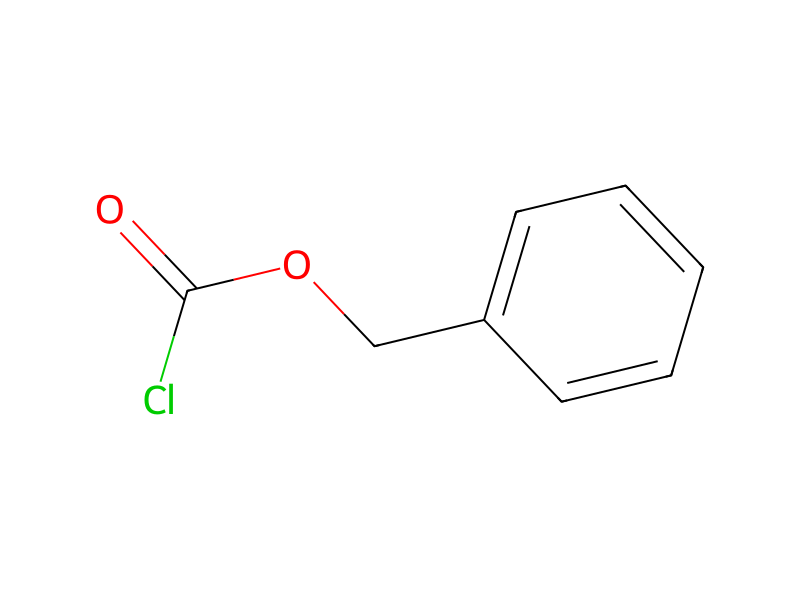
Cl.[F:2][C:3]([F:16])([C:12]([F:15])([F:14])[F:13])[CH2:4][CH2:5][C@@H:6]([C:8]([O:10][CH3:11])=[O:9])[NH2:7].C(=O)([O-])[O-].[K+].[K+].Cl[C:24]([O:26][CH2:27][C:28]1[CH:33]=[CH:32][CH:31]=[CH:30][CH:29]=1)=[O:25]>C1COCC1.O>[CH2:27]([O:26][C:24]([NH:7][C@H:6]([C:8]([O:10][CH3:11])=[O:9])[CH2:5][CH2:4][C:3]([F:16])([F:2])[C:12]([F:13])([F:14])[F:15])=[O:25])[C:28]1[CH:33]=[CH:32][CH:31]=[CH:30][CH:29]=1Under argon, 141.5 g (520.99 mmol) of rac-methyl 5,5,6,6,6-pentafluoronorleucinate hydrochloride from Example 133A were taken up in 850 ml of THF and 850 ml of water, and 223.2 g (1.62 mol) of potassium carbonate were added carefully at RT. 82 ml (573.09 mmol) of benzyl chloroformate were then added dropwise, and the suspension was stirred at RT overnight. The reaction mixture was extracted twice with 500 ml of ethyl acetate and the organic phase was dried with magnesium sulphate, filtered off and concentrated. The residue was diluted with 50 ml of dichloromethane and purified by silica gel chromatography (mobile phase: cyclohexane/ethyl acetate gradient: 9/1 to 4/1). The isolated product fraction was re-purified by preparative HPLC [Daiso C18 10 μm Bio 300×100 mm, neutral; mobile phase: acetonitrile/water gradient; flow rate: 250 ml/min; temperature: RT; wave length: 210 nm). This gave 27.4 g (14% of theory) of the target compound.