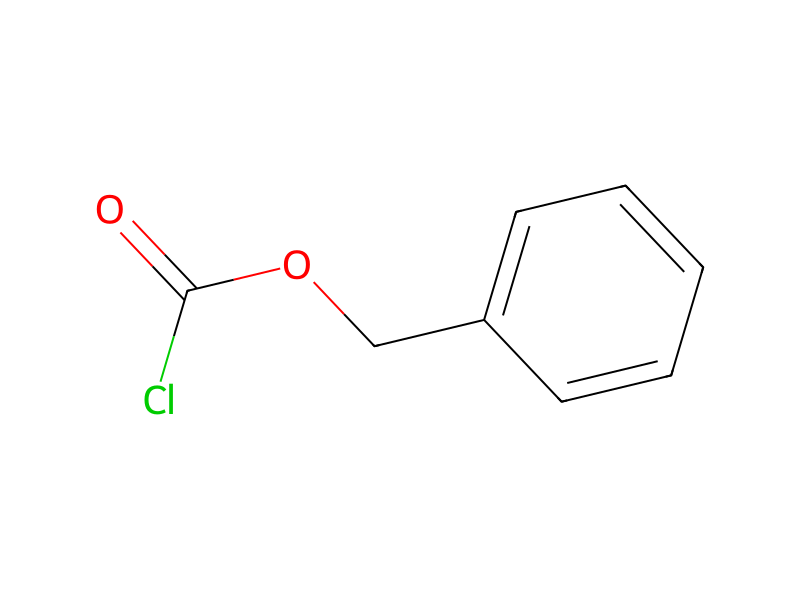
Cl.[CH3:2][O:3][C:4](=[O:17])[CH:5]([NH2:16])[CH2:6][CH2:7][CH2:8][C:9]([F:15])([F:14])[C:10]([F:13])([F:12])[F:11].C(=O)([O-])[O-].[K+].[K+].[C:24](Cl)(=[O:33])[O:25][CH2:26][C:27]1[CH:32]=[CH:31][CH:30]=[CH:29][CH:28]=1>C1COCC1.O>[CH3:2][O:3][C:4](=[O:17])[CH:5]([NH:16][C:24]([O:25][CH2:26][C:27]1[CH:32]=[CH:31][CH:30]=[CH:29][CH:28]=1)=[O:33])[CH2:6][CH2:7][CH2:8][C:9]([F:14])([F:15])[C:10]([F:11])([F:12])[F:13]Under argon, 16.9 g (59.2 mmol) of rac-methyl-2-amino-6,6,7,7,7-pentafluoroheptanoate hydrochloride (racemate) from Example 139A were initially charged in 775 ml of THF and 99 ml of water, and 25.37 g (183.6 mmol) of potassium carbonate were added carefully at RT. 11.0 ml (65.1 mmol) of benzyl chlorocarbonate were then added dropwise at 0° C., and the suspension was stirred at RT overnight. The reaction mixture was concentrated, water was added to the residue and the mixture was extracted twice with dichloromethane. The combined organic phases were dried over sodium sulphate, filtered and concentrated. The crude product was purified by silica gel chromatography (mobile phase: cyclohexane/ethyl acetate gradient: 100/0 to 10/1 to 8/1 to 5/1). The product fraction was then re-purified by preparative RP-HPLC (acetonitrile/water gradient with 0.1% TFA). This gave 13.34 g (56% of theory, purity 94%) of the target compound.
Loading…