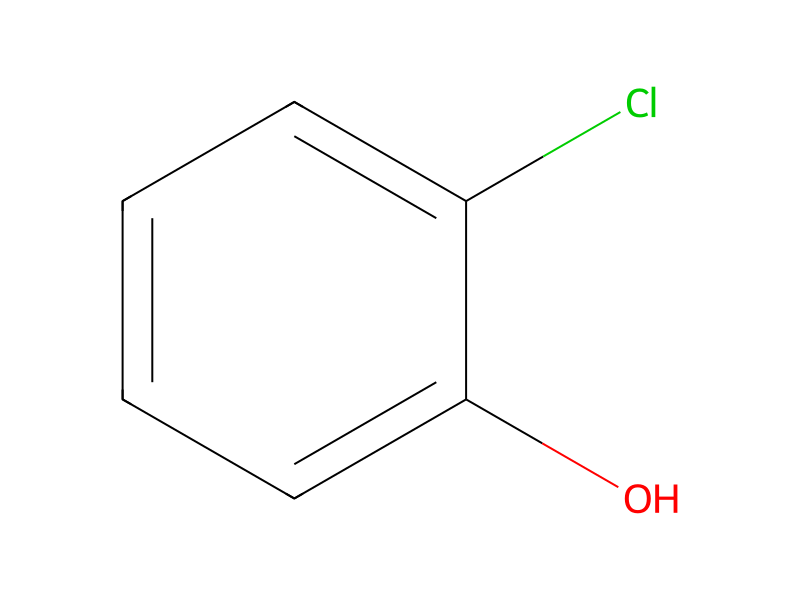
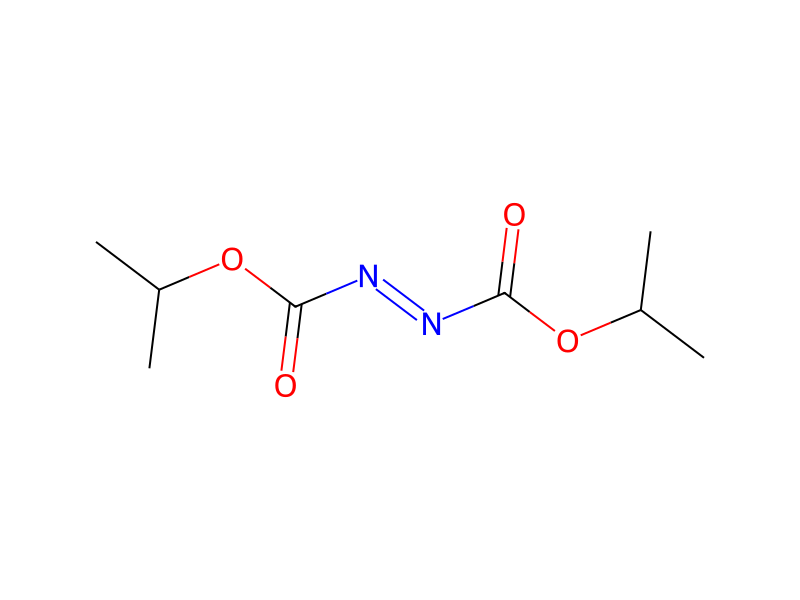
[Br:1][C:2]1[N:7]=[C:6]([C@@H:8]([OH:10])[CH3:9])[CH:5]=[CH:4][CH:3]=1.[Cl:11][C:12]1[CH:17]=[CH:16][CH:15]=[CH:14][C:13]=1O.C1(P(C2C=CC=CC=2)C2C=CC=CC=2)C=CC=CC=1.N(C(OC(C)C)=O)=NC(OC(C)C)=O>O1CCCC1>[Br:1][C:2]1[CH:3]=[CH:4][CH:5]=[C:6]([C@H:8]([O:10][C:13]2[CH:14]=[CH:15][CH:16]=[CH:17][C:12]=2[Cl:11])[CH3:9])[N:7]=1A solution of (S)-1-(6-bromopyridin-2-yl)ethanol (1 g) (prepared by the method of S. Ishikawa, T. Hamada, K. Manabe, and S. Kobayashi, Synthesis 2005, 13, 2176-2182), 2-chlorophenol (0.615 mL, 0.764 g) and triphenylphosphine (1.558 g) in tetrahydrofuran (20 mL) under N2 and cooled to 0° C. A solution of diisopropyl azodicarboxylate (1.17 mL, 1.2 g) in tetrahydrofuran (10 mL) was then added dropwise and reaction warmed to room temperature overnight. The solvent was removed under reduced pressure, then heptane added to precipitate the triphenylphosphine oxide side product. Filtration and evaporation of the filtrate followed by purification by flash chromatography on silica eluting with heptane/ethyl acetate 8:2 gave the title compound (1.45 g) as a clear liquid.