HomeMCPWorkbenchSkills
HomeWorkbenchNotificationsMe
llms.txt · MCP GuidePrivacy Policy · Terms of Service · Supportv1.8.3
  1. Home
  2. /Reaction

Benzaldehyde → HCID 70228365, compound

HRID 1871075
Print

Reaction equation

HRID 1871075 reaction equation
[CH:1](=O)[C:2]1[CH:7]=[CH:6][CH:5]=[CH:4][CH:3]=1.C(O)(=O)C1C=CC=CC=1.[CH:18](=[N:25]C1C=C(Br)C=CC=1)C1C=CC=CC=1.[CH3:33][C:34]([OH:38])(C#C)[CH3:35]>[Cu]I>[CH3:33][CH:34]([CH3:35])[OH:38].[NH2:25][C:18]#[C:1][C:2]1[CH:7]=[CH:6][CH:5]=[CH:4][CH:3]=1
ParticipantsProcedureWorkupSources & evidenceReaction notes

Participants

6

Reactant 4

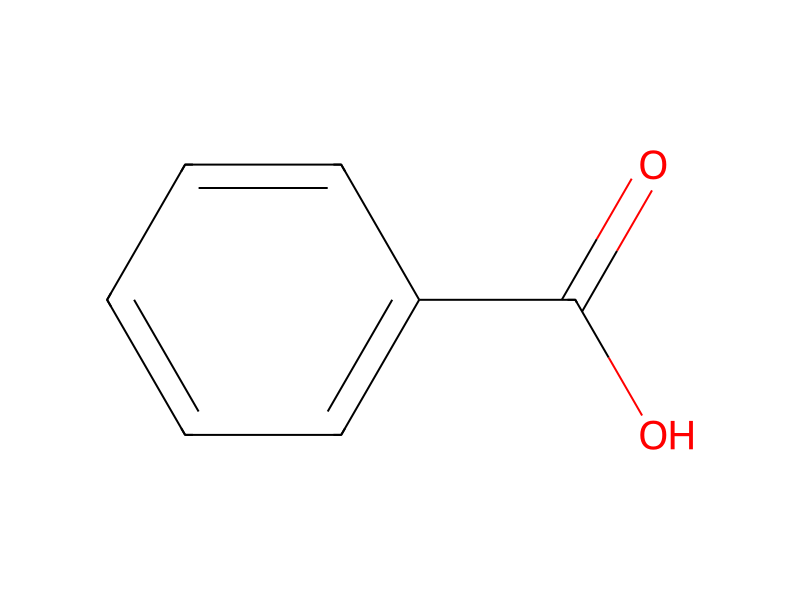
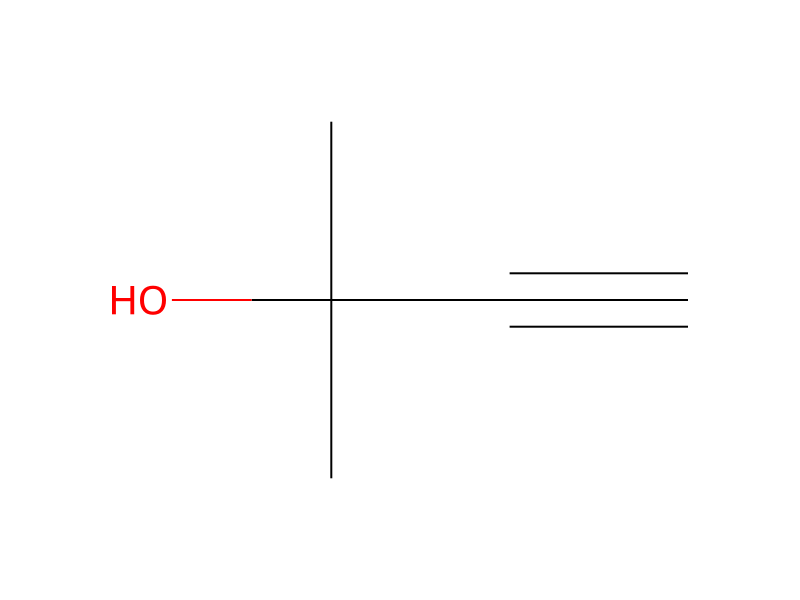
HCID 240BenzaldehydeHCID 243Benzoic Acid2×HCID 82582-Methyl-3-butyn-2-olHCID 525548N-Benzylidene-3-bromoaniline

Product 1

HCID 70228365HCID 70228365, compound

Reagents, catalysts & solvents 1

HCID 24350
Copper(1+) iodide; Copper(I) iodide; Cuprous iodide; Cuprous iodide (CuI)
Catalyst

Procedure

The procedure was the same as in Example 2 using benzaldehyde free of benzoic acid, through the steps intended for the ex situ formation of the N-benzylidene 3-aminophenylbromide and the catalyzed reaction with 2-methyl-3-butyn-2-ol, with the exception that no benzoic acid was added. Upon the addition of the CuI, an apparent precipitation of Pd was observed (not seen in the procedure of Example 2). After several hours of reflux no reaction to form an aminophenylacetylene dimethylcarbinol, with or without the N-benzylidene moiety, could be observed by thin-layer chromatography.

Workup

  1. customan apparent precipitation of Pd
  2. temperatureAfter several hours of reflux
  3. customno reaction

Sources & evidence

ORD record
ord-23b7807da13d4987b2a5b20cc96feb11
Source dataset
uspto-grants-2000_08
DOI
10.6084/m9.figshare.5104873.v1
Patent number
US06100429

Reaction notes

On this pageParticipantsProcedureWorkupSources & evidenceReaction notes