HomeMCPSkillsWorkbenchOpenChem
HomeWorkbenchNotificationsMe
llms.txt · skill.md · MCP GuidePrivacy Policy · Terms of Service · Supportv1.8.5
  1. Home
  2. /Reaction

Potassium Carbonate → 2-Chloro-3-cyclopropylmethyloxy-6-nitro toluene

HRID 1899001
Print

Reaction equation

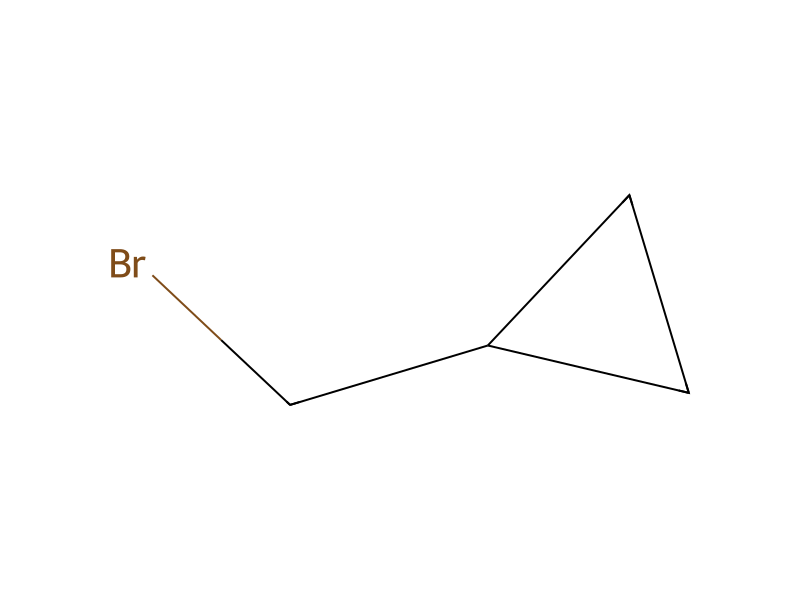
[Cl:1][C:2]1[C:7]([CH3:8])=[C:6]([N+:9]([O-:11])=[O:10])[CH:5]=[CH:4][C:3]=1[OH:12].Br[CH2:14][CH:15]1[CH2:17][CH2:16]1.C(=O)([O-])[O-].[K+].[K+]>CN(C=O)C>[Cl:1][C:2]1[C:3]([O:12][CH2:14][CH:15]2[CH2:17][CH2:16]2)=[CH:4][CH:5]=[C:6]([N+:9]([O-:11])=[O:10])[C:7]=1[CH3:8]
ParticipantsConditionsProcedureWorkupSources & evidenceReaction notes

Participants

5

Reactant 3

HCID 11430Potassium CarbonateHCID 81503BromomethylcyclopropaneHCID 131473552-Chloro-3-methyl-4-nitrophenol

Product 1

HCID 233731092-Chloro-3-cyclopropylmethyloxy-6-nitro tolueneYield 93.4%

Reagents, catalysts & solvents 1

HCID 6228DimethylformamideSolvent

Conditions

Temperature
100 °C

Procedure

2-Chloro-3-methyl-4-nitrophenol (2.71 g) was reacted with bromomethylcyclopropane (3.89 g) in dry DMF (30 ml) in the presence of potassium carbonate (3.99 g), heating the mixture at 100° C. overnight. The DMF was evaporated in vacuo, and the residue was partitioned between 2M HCl and ethyl acetate. The organic extracts were combined and dried (MgSO4) and evaporated to give 2-chloro-3-cyclopropylmethyloxy-6-nitro toluene (3.26 g).

Workup

  1. customThe DMF was evaporated in vacuo
  2. customthe residue was partitioned between 2M HCl and ethyl acetate
  3. dry with materialdried (MgSO4)
  4. customevaporated

Sources & evidence

ORD record
ord-2d224f9831954103ac20201731685567
Source dataset
uspto-grants-1996_11
DOI
10.6084/m9.figshare.5104873.v1
Patent number
US05571833

Reaction notes

On this pageParticipantsConditionsProcedureWorkupSources & evidenceReaction notes