Reaction equation

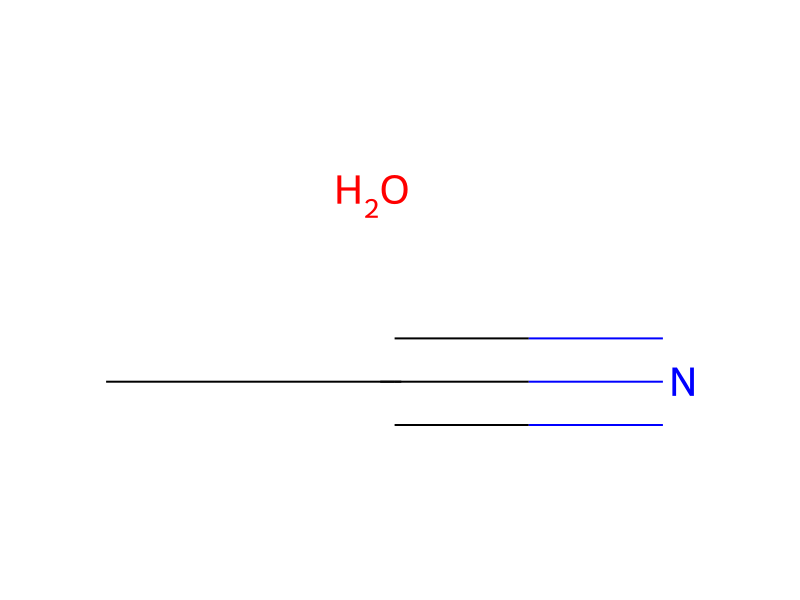
[Br:1][C:2]1[CH:11]=[C:10]2[C:5]([C:6]([C:13]([O:15]CC)=[CH2:14])=[CH:7][C:8](=[O:12])[O:9]2)=[CH:4][CH:3]=1.C1C(=O)N([Br:25])C(=O)C1.Br.OS([O-])=O.[Na+]>CC#N.O.C(OCC)(=O)C>[Br:1][C:2]1[CH:11]=[C:10]2[C:5]([C:6]([C:13](=[O:14])[CH2:15][Br:25])=[CH:7][C:8](=[O:12])[O:9]2)=[CH:4][CH:3]=1Participants
7
Reactant 4




Product 1

Reagents, catalysts & solvents 2

Procedure
To a solution of vinyl ether from Step 1 (1.02 g) in CH3CN:H2O 4:1 (25 mL) were successively added NBS (0.82 g) and concentrated HBr (20 μL). After being stirred at r.t. for 4 h. The reaction mixture was treated with 5% aqueous NaHSO3 (1 mL). Ethyl acetate was then added and the organic phase was washed with saturated aqueous NaHCO3, H2O and brine, dried (MgSO4) and evaporated. Flash chromatography of the residue (silica gel; hexane/EtOAc (85:15)) afforded the title compound as a white solid.
Workup
- washthe organic phase was washed with saturated aqueous NaHCO3, H2O and brine
- dry with materialdried (MgSO4)
- customevaporated
Sources & evidence
- ORD record
- ord-d58713bc185f48cf969975b9d3796498
- Source dataset
- uspto-grants-1996_11
- Patent number
- US05576338
Linked notes
Loading…