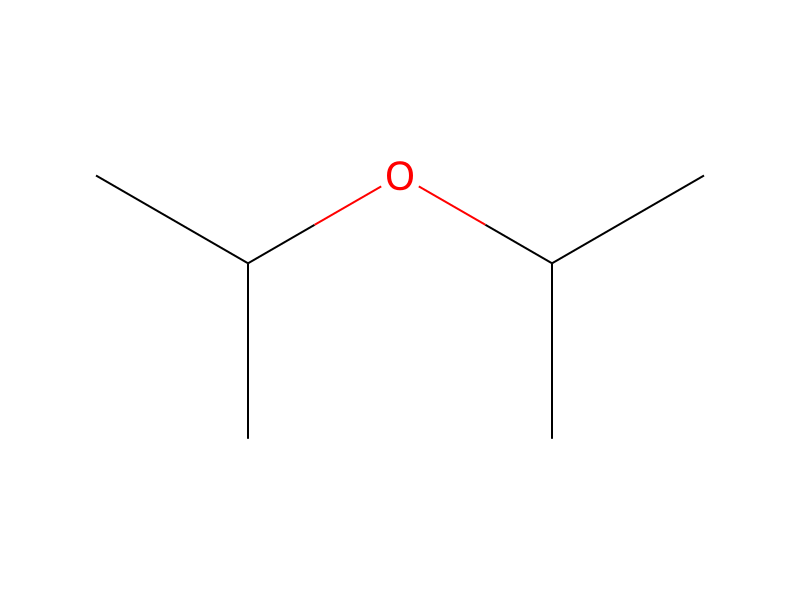
C(OC([NH:8][CH:9]([CH2:22][C:23]#[N:24])[CH2:10][O:11][C:12]1[C:16]2[CH:17]=[C:18]([Cl:21])[CH:19]=[CH:20][C:15]=2[O:14][N:13]=1)=O)(C)(C)C.CC(O)C.Cl.C(OC(C)C)(C)C>CO>[ClH:21].[NH2:8][CH:9]([CH2:22][C:23]#[N:24])[CH2:10][O:11][C:12]1[C:16]2[CH:17]=[C:18]([Cl:21])[CH:19]=[CH:20][C:15]=2[O:14][N:13]=1To a suspension of 1.0 g of 3-(2-tert-butoxycarbonylamino-3-cyanopropoxy)-5-chloro-1,2-benzoisoxazole in 15 ml of methanol is added 7.8 ml of a 2-propanol solution (6.5M) of hydrogen chloride at room temperature, and they are subjected to reaction at the same temperature for seven hours. Thereafter, the solvent is removed by distillation under reduced pressure. To the residue obtained is added diisopropyl ether, and the crystals precipitated are collected by filtration, to obtain 0.78 g of colorless, crystalline 3-(2-amino-3-cyanopropoxy)-5-chloro-1,2-benzoisoxazole hydrochloride having a melting point of 188.8°-190.9° C. (decomp.).