HomeMCPWorkbenchSkills
HomeWorkbenchNotificationsMe
llms.txt · MCP GuidePrivacy Policy · Terms of Service · Supportv1.8.3
  1. Home
  2. /Reaction

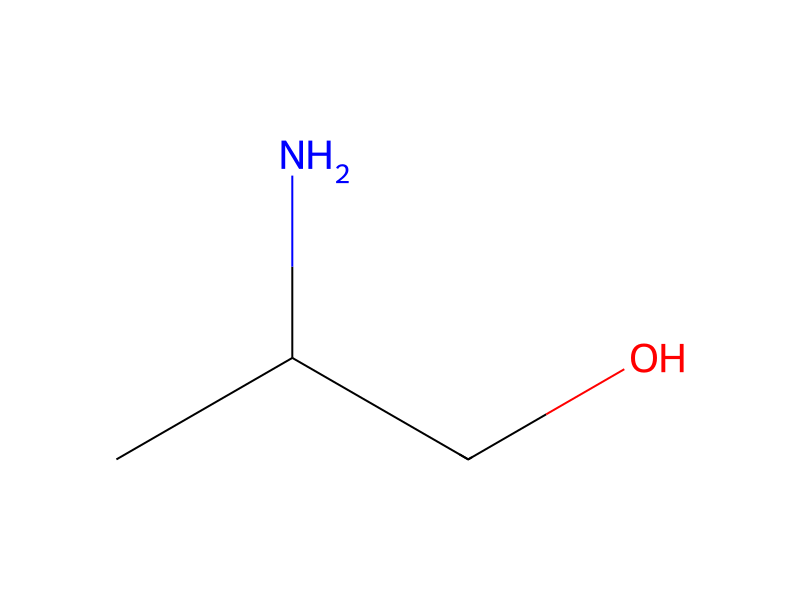
2-Aminopropanol → Benzyl (2-hydroxy-1-methylethyl)carbamate

HRID 1901672
Print

Reaction equation

HRID 1901672 reaction equation
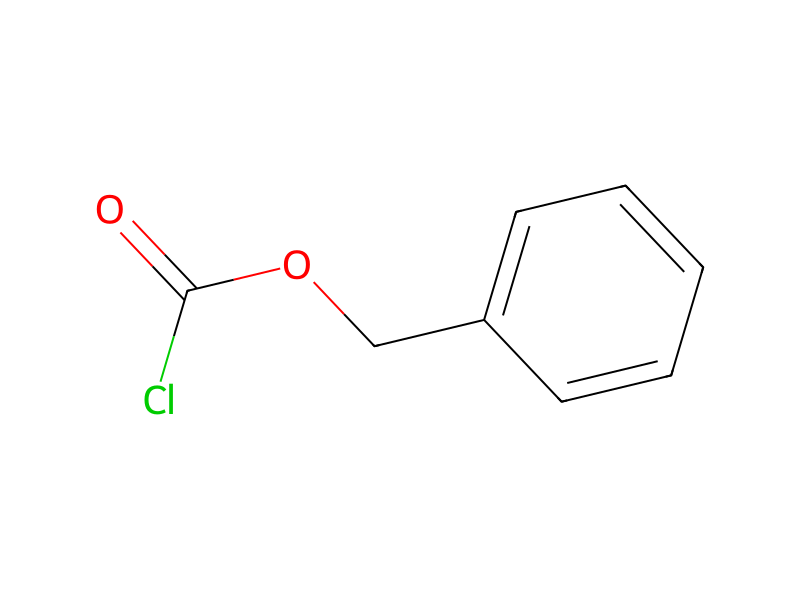
C(N(CC)CC)C.[NH2:8][CH:9]([CH2:11][OH:12])[CH3:10].[CH2:13]([O:20][C:21](Cl)=[O:22])[C:14]1[CH:19]=[CH:18][CH:17]=[CH:16][CH:15]=1>O1CCCC1.C1(C)C=CC=CC=1>[CH2:13]([O:20][C:21]([NH:8][CH:9]([CH3:10])[CH2:11][OH:12])=[O:22])[C:14]1[CH:19]=[CH:18][CH:17]=[CH:16][CH:15]=1
ParticipantsProcedureWorkupSources & evidenceReaction notes

Participants

6

Reactant 3

HCID 51262-AminopropanolHCID 8471TriethylamineHCID 10387Benzyl chloroformate

Product 1

HCID 560855Benzyl (2-hydroxy-1-methylethyl)carbamateYield 38.4%

Reagents, catalysts & solvents 2

HCID 1140TolueneSolventHCID 8028
Tetrahydrofuran
Solvent

Procedure

31.3 ml of triethylamine were added to a solution of 16.9 g of DL-alaninol in 100 ml of anhydrous tetrahydrofuran, after which 100 g of benzyloxycarbonyl chloride (as a 30% to 35% w/v solution in toluene) were added dropwise, whilst ice-cooling. The reaction mixture was then stirred at room temperature overnight. At the end of this time, the tetrahydrofuran was removed from the reaction mixture by evaporation under reduced pressure, and water was added to the resulting residue, which was then extracted with ethyl acetate. The extract was washed with an aqueous solution of sodium chloride and dried over anhydrous sodium sulfate. The ethyl acetate was removed from the extract by evaporation under reduced pressure, and the resulting residue was purified by silica gel column chromatography, using a 2:1 by volume mixture of ethyl acetate and hexane as the eluent, to give 18.07 g of the title compound, melting at 52.2° C. to 56.6° C.

Workup

  1. temperaturecooling
  2. customAt the end of this time, the tetrahydrofuran was removed from the reaction mixture by evaporation under reduced pressure, and water
  3. additionwas added to the resulting residue, which
  4. extractionwas then extracted with ethyl acetate
  5. washThe extract was washed with an aqueous solution of sodium chloride
  6. dry with materialdried over anhydrous sodium sulfate
  7. customThe ethyl acetate was removed from the
  8. extractionextract by evaporation under reduced pressure
  9. customthe resulting residue was purified by silica gel column chromatography
  10. additionby volume mixture of ethyl acetate and hexane as the eluent

Sources & evidence

ORD record
ord-59b4b5842c2a44bab6aee03724abc37c
Source dataset
uspto-grants-1996_11
DOI
10.6084/m9.figshare.5104873.v1
Patent number
US05578620

Reaction notes

On this pageParticipantsProcedureWorkupSources & evidenceReaction notes