HomeMCPSkillsWorkbenchOpenChem
HomeWorkbenchNotificationsMe
llms.txt · skill.md · MCP GuidePrivacy Policy · Terms of Service · Supportv1.8.4
  1. Home
  2. /Reaction

Potassium Carbonate → 4-[(6-Bromohexyl)oxy]benzonitrile

HRID 1905471
Print

Reaction equation

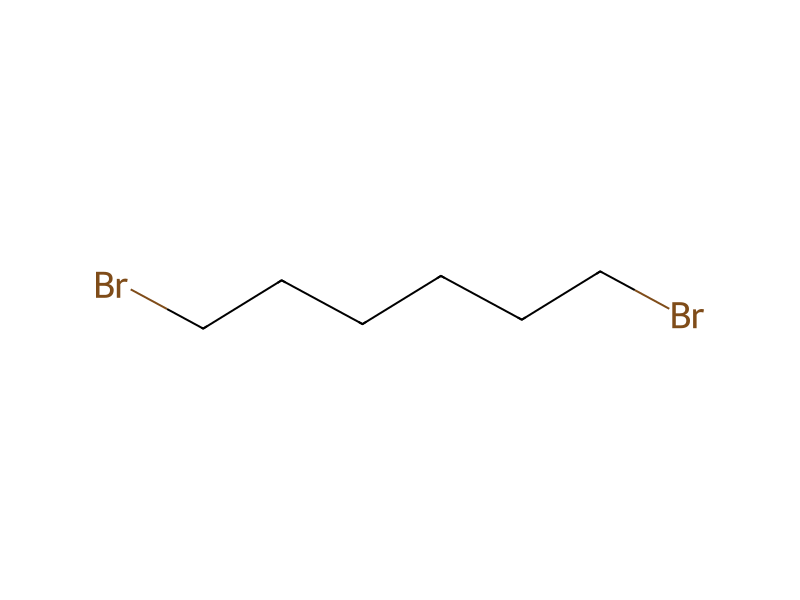
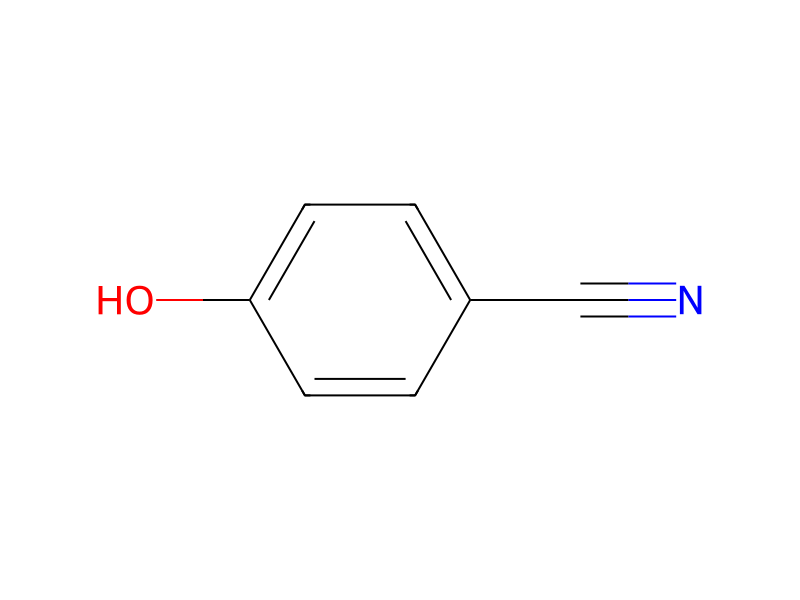
[C:1]([C:3]1[CH:8]=[CH:7][C:6]([OH:9])=[CH:5][CH:4]=1)#[N:2].C(=O)([O-])[O-].[K+].[K+].[Br:16][CH2:17][CH2:18][CH2:19][CH2:20][CH2:21][CH2:22]Br>[I-].[Na+].CC(C)=O>[Br:16][CH2:17][CH2:18][CH2:19][CH2:20][CH2:21][CH2:22][O:9][C:6]1[CH:7]=[CH:8][C:3]([C:1]#[N:2])=[CH:4][CH:5]=1
ParticipantsProcedureWorkupSources & evidenceReaction notes

Participants

6

Reactant 3

HCID 11430Potassium CarbonateHCID 123681,6-DibromohexaneHCID 130194-Cyanophenol

Product 1

HCID 134508844-[(6-Bromohexyl)oxy]benzonitrileYield 70.9%

Reagents, catalysts & solvents 2

HCID 5238Sodium IodideCatalystHCID 180
Acetone
Solvent

Procedure

A mixture of 23.8 g (0.2 mole) of 4-cyanophenol, 55.3 g (0.4 mole) of milled potassium carbonate, 97.6 g of 1,6-dibromohexane, 0.5 g of sodium iodide and 750 ml of acetone was stirred at reflux for two days. The solid was filtered off and the filtrate concentrated in vacuo. The residue was partitioned between water and methylene dichloride, and the organic phase was dried and concentrated. The residue was distilled to give 40 g of 4-(6-bromohexyloxy)benzonitrile, b.p. 150°-160° C. (0.05 mm).

Workup

  1. temperatureat reflux for two days
  2. filtrationThe solid was filtered off
  3. concentrationthe filtrate concentrated in vacuo
  4. customThe residue was partitioned between water and methylene dichloride
  5. customthe organic phase was dried
  6. concentrationconcentrated
  7. distillationThe residue was distilled

Sources & evidence

ORD record
ord-fddeade17dfd4d27a300b2489135a084
Source dataset
uspto-grants-1989_06
DOI
10.6084/m9.figshare.5104873.v1
Patent number
US04843087

Reaction notes

On this pageParticipantsProcedureWorkupSources & evidenceReaction notes