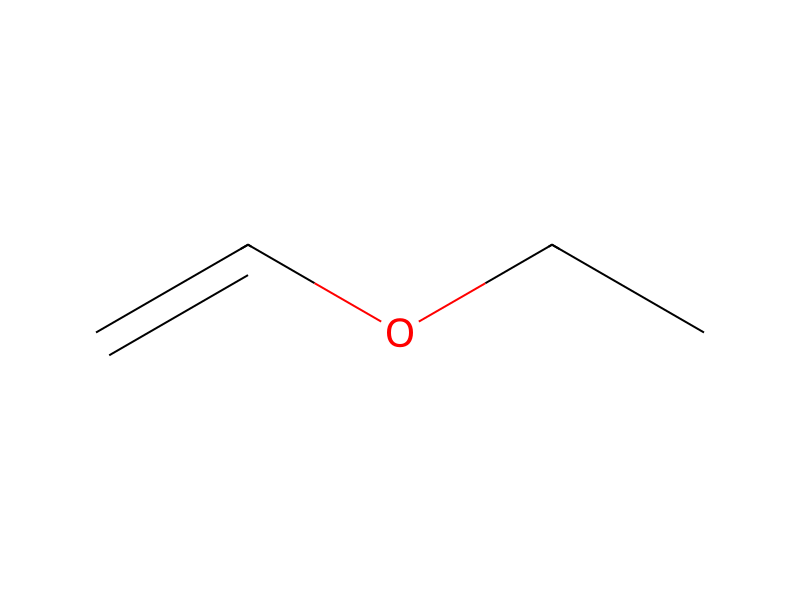
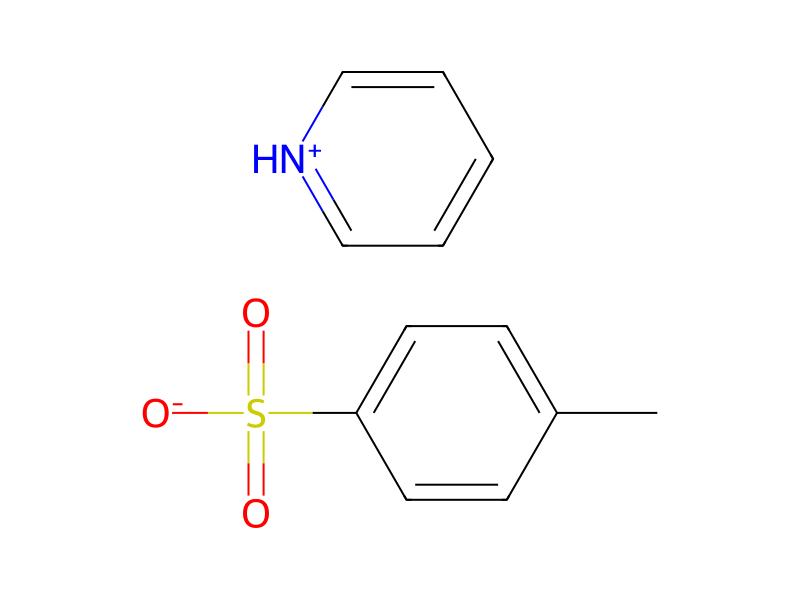
To a solution of 4-(2-hydroxyethoxy)-3,5-dimethoxybenzaldehyde (1.5 g, 6.6 mmol) in methylene chloride (22 mL, 0.3 M) was added ethyl vinyl ether (3.4 mL, 19.9 mmol). After addition of PPTS (168 mg, 0.66 mmol), the reaction mixture was stirred for 40 minutes at room temperature. An aqueous saturated sodium hydrogen carbonate solution was added to the reaction fluid, which was then extracted with ethyl acetate, washed with saturated saline, dried over magnesium sulfate, and evaporated under reduced pressure to afford a residue containing an ethoxyethyl-protected 4-(2-hydroxyethoxy-3,5-dimethoxybenzaldehyde.