HomeMCPSkillsWorkbenchOpenChem
HomeWorkbenchNotificationsMe
llms.txt · skill.md · MCP GuidePrivacy Policy · Terms of Service · Supportv1.8.5
  1. Home
  2. /Reaction

Hydrochloric Acid → 5-(6-Chloropyridazin-3-yl)-6-(2,4-difluorophenyl)imidazo[2,1-b]oxazole

HRID 1930093
Print

Reaction equation

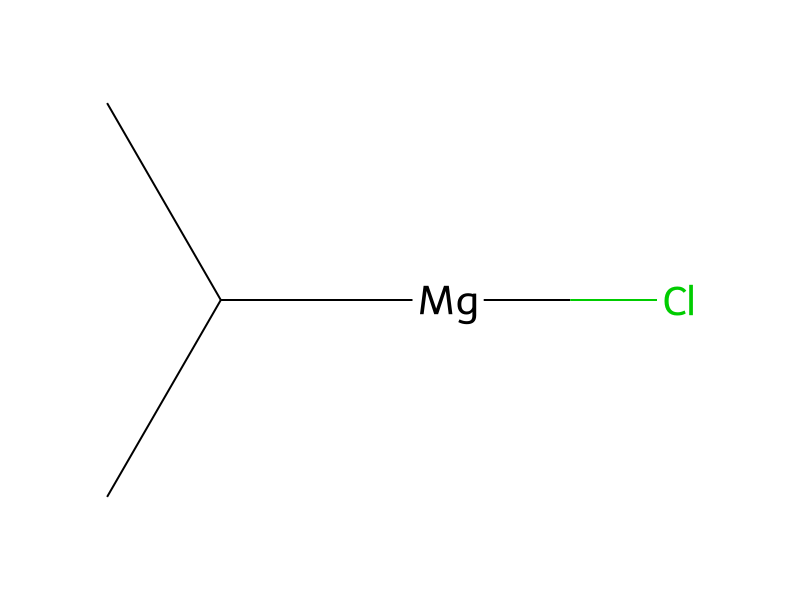
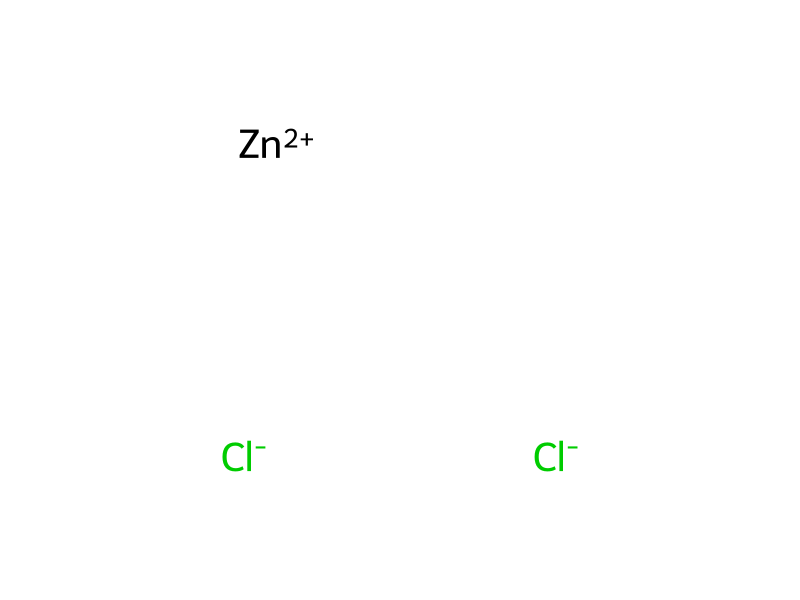
[F:1][C:2]1[CH:7]=[C:6]([F:8])[CH:5]=[CH:4][C:3]=1[C:9]1[N:10]=[C:11]2[N:15]([C:16]=1I)[CH:14]=[CH:13][O:12]2.C([Mg]Cl)(C)C.[Cl:23][C:24]1[N:25]=[N:26][C:27](I)=[CH:28][CH:29]=1.Cl>C1COCC1.[Cl-].[Zn+2].[Cl-].C1C=CC([P]([Pd]([P](C2C=CC=CC=2)(C2C=CC=CC=2)C2C=CC=CC=2)([P](C2C=CC=CC=2)(C2C=CC=CC=2)C2C=CC=CC=2)[P](C2C=CC=CC=2)(C2C=CC=CC=2)C2C=CC=CC=2)(C2C=CC=CC=2)C2C=CC=CC=2)=CC=1.C(Cl)Cl.CN(C=O)C>[Cl:23][C:24]1[N:25]=[N:26][C:27]([C:16]2[N:15]3[C:11]([O:12][CH:13]=[CH:14]3)=[N:10][C:9]=2[C:3]2[CH:4]=[CH:5][C:6]([F:8])=[CH:7][C:2]=2[F:1])=[CH:28][CH:29]=1
ParticipantsConditionsProcedureWorkupSources & evidenceReaction notes

Participants

10

Reactant 4

HCID 313Hydrochloric AcidHCID 154188393-Chloro-6-iodopyridazineHCID 594578066-(2,4-Difluorophenyl)-5-iodoimidazo[2,1-b]oxazoleHCID 178418918HCID 178418918, compound

Product 1

HCID 579298665-(6-Chloropyridazin-3-yl)-6-(2,4-difluorophenyl)imidazo[2,1-b]oxazoleYield 35.4%

Reagents, catalysts & solvents 5

HCID 3007855SinkkikloridiCatalystHCID 178418397HCID 178418397, compoundCatalystHCID 6228DimethylformamideSolventHCID 6344DichloromethaneSolventHCID 8028TetrahydrofuranSolvent2×

Conditions

Temperature
-30 °C

Procedure

To a flask was added 6-(2,4-difluorophenyl)-5-iodoimidazo[2,1-b]oxazole (10.0 g, 28.9 mmol, Preparation #C.1) and THF (50 mL). The mixture was cooled to about −30° C. and then a solution of iPrMgCl (2.0 M in THF, 15.2 mL, 30.3 mmol) was added dropwise. The reaction mixture was stirred about 15 min at about 0° C. and then a solution of zinc chloride (4.73 g, 34.7 mmol) in THF (50 mL) was added dropwise. The reaction mixture was stirred at about 0° C. for about 30 min. To a second flask was added 3-chloro-6-iodopyridazine (6.67 g, 27.7 mmol, Example #9, Step A) and DMF (20 mL) and the mixture was stirred at ambient temperature until all solids were in solution. To this flask was added Pd(PPh3)4 (1.336 g, 1.156 mmol, Strem) and then the entire contents were poured in to the first reaction flask. The reaction mixture was heated to about 80° C. and stirred for about 1 h. The reaction mixture was cooled to ambient temperature and the solids were filtered. The solid was triturated with 1-propanol (25 mL) to give a solid. The solid was portioned between 1N aqueous HCl (250 mL) and DCM (250 mL). The organic layer was isolated and then extracted with 6N aqueous HCl. The acid layer was then basified with solid Na2CO3 and the precipitate filtered and dried under vacuum to give the title compound (3.26 g, 34%). LC/MS (Table 1, Method a) Rt=2.69 min; MS m/z: 333.1 (M+H)+

Workup

  1. stirringThe reaction mixture was stirred at about 0° C. for about 30 min
  2. stirringthe mixture was stirred at ambient temperature until all solids
  3. additionthe entire contents were poured in to the first reaction flask
  4. temperatureThe reaction mixture was heated to about 80° C.
  5. stirringstirred for about 1 h
  6. temperatureThe reaction mixture was cooled to ambient temperature
  7. filtrationthe solids were filtered
  8. customThe solid was triturated with 1-propanol (25 mL)
  9. customto give a solid
  10. customThe organic layer was isolated
  11. extractionextracted with 6N aqueous HCl
  12. filtrationthe precipitate filtered
  13. customdried under vacuum

Sources & evidence

ORD record
ord-88bad25d31654029ac8ac84d81df120b
Source dataset
uspto-grants-2012_05
DOI
10.6084/m9.figshare.5104873.v1
Patent number
US08188083B2

Reaction notes

On this pageParticipantsConditionsProcedureWorkupSources & evidenceReaction notes