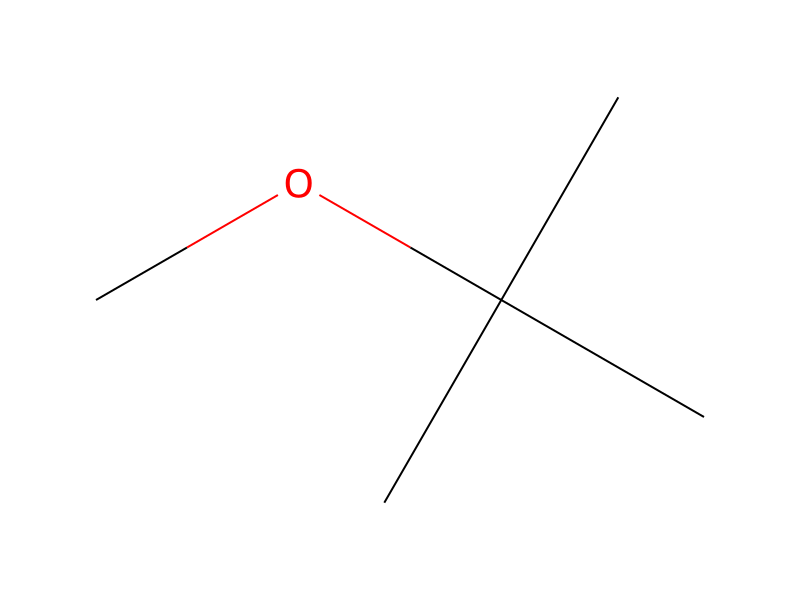
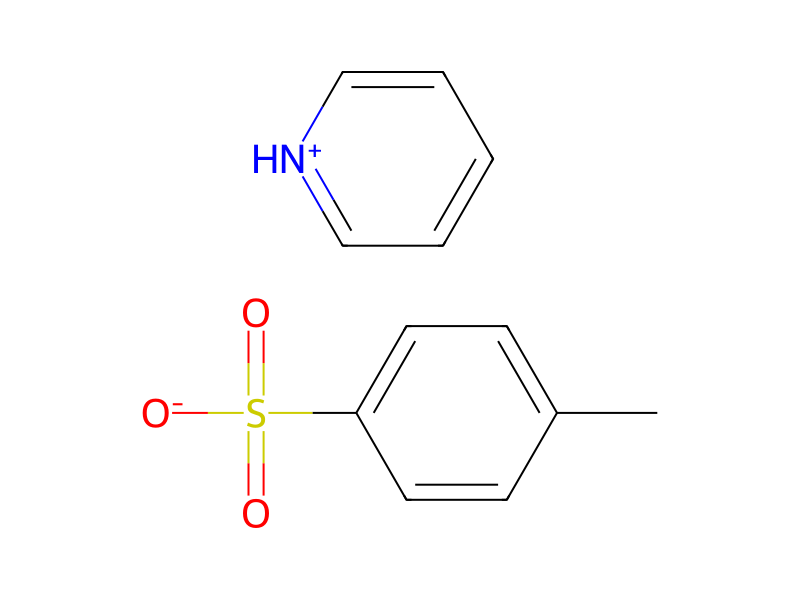
[C:1]([C@@H:7]([C@H:9]([C:11]([O:13]C(C)C)=[O:12])[OH:10])[OH:8])([O:3]C(C)C)=[O:2].C[O:18][CH:19](OC)[CH:20]=[C:21]([CH3:28])[CH2:22][CH2:23][CH:24]=[C:25]([CH3:27])[CH3:26].C([O-])(O)=O.[Na+].[CH3:36][C:37](OC)(C)[CH3:38]>C1(C)C=CC(S([O-])(=O)=O)=CC=1.[NH+]1C=CC=CC=1>[CH:20]([C:7]([C:1]([OH:3])=[O:2])([OH:8])[C:9]([CH:37]([CH3:38])[CH3:36])([OH:10])[C:11]([OH:13])=[O:12])([CH3:21])[CH3:19].[CH3:27][C:25](=[CH:24][CH2:23][CH2:22][C:21](=[CH:20][CH:19]=[O:18])[CH3:28])[CH3:26]A solution of 20.0 g (85.5 mmol) (R,R)-diisopropyl tartrate, 33.85 g (170.9 mmol) citral dimethyl acetal and 0.5 g pyridinium p-toluene sulfonate in 350 ml MTBE is heated at reflux temperature (55° C.) for 5 h. The clear yellow; reaction mixture is allowed to cool to room temperature and 150 ml saturated NaHCO3 solution is added. The aqueous layer is separated and washed twice with 150 ml MTBE. The combined organic layers are washed with 100 ml brine, dried (MgSO4) and concentrated in vacuo (rotary evaporator). Using a Büchi-Kugelrohrofen the oily residue (47.1 g) is dried in high vacuum (0.1 torr) at 110° C. to give 25.5 g (81%) citral diisopropyl tartrate 1. 1H-NMR: 1.30 (d, CH3), 1.31 (d, CH3), 1.61 (s, CH3), 1.68 (s, CH3), 1.79 (d, CH3), 2.0-2.2 (m, 4H, CH2), 4.61 (m, 1H), 4.67 (m, 1H), 5.0-5.2 (m, 3H), 5.36 (m, 1H), 5.91 (dd, 1H); MS: 368 (3, M+), 281 (5), 245 (8), 69 (100), 41 (83).