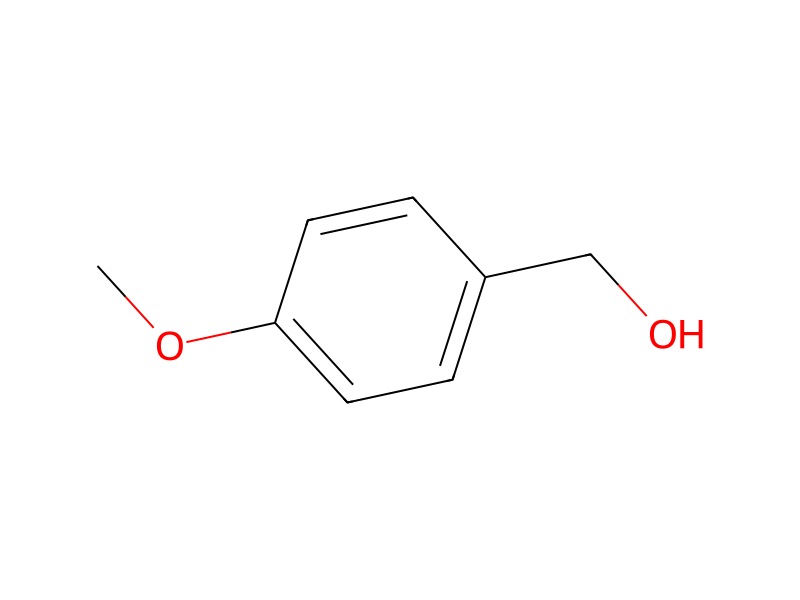
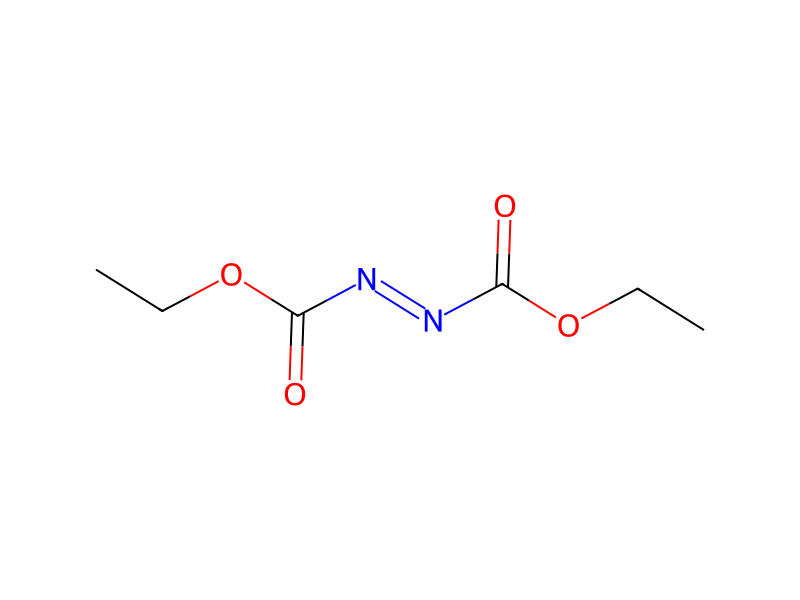
[CH3:1][O:2][C:3]1[CH:8]=[CH:7][C:6]([OH:9])=[CH:5][N:4]=1.[CH3:10][O:11][C:12]1[CH:19]=[CH:18][C:15]([CH2:16]O)=[CH:14][CH:13]=1.C1C=CC(P(C2C=CC=CC=2)C2C=CC=CC=2)=CC=1.CCOC(/N=N/C(OCC)=O)=O>C1COCC1>[CH3:1][O:2][C:3]1[CH:8]=[CH:7][C:6]([O:9][CH2:16][C:15]2[CH:18]=[CH:19][C:12]([O:11][CH3:10])=[CH:13][CH:14]=2)=[CH:5][N:4]=1According to Scheme 32 Method B: To a mixture of 2-methoxy-5-hydroxypyridine (2.87 mmol, 0.36 g), 4-methoxybenzyl alcohol (5.75 mmol, 0.72 mL) and PPh3 (5.29 mmol, 1.4 g) in THF (3.75 mL) cooled with an ice-water bath, was added dropwise DEAD (5.47 mmol, 0.86 ml). The resulting mixture was irradiated under microwave conditions at 90° C. for 30 minutes. The resulting reaction mixture was cooled, washed with a 1 N NaOH solution and extracted with AcOEt. The organic layer was separated, dried (Na2SO4) and the solvent was evaporated under reduced pressure. The residue triturated with diisopropyl ether. The precipitated obtained (PPh3O) was filtered off. The residue was purified in a manifold (vac.) using a Sep-Pak silica cartridge heptane/CH2Cl2 80/20 yielding 2-methoxy-5-(4-methoxybenzyloxy)pyridine (339 mg, 48%).