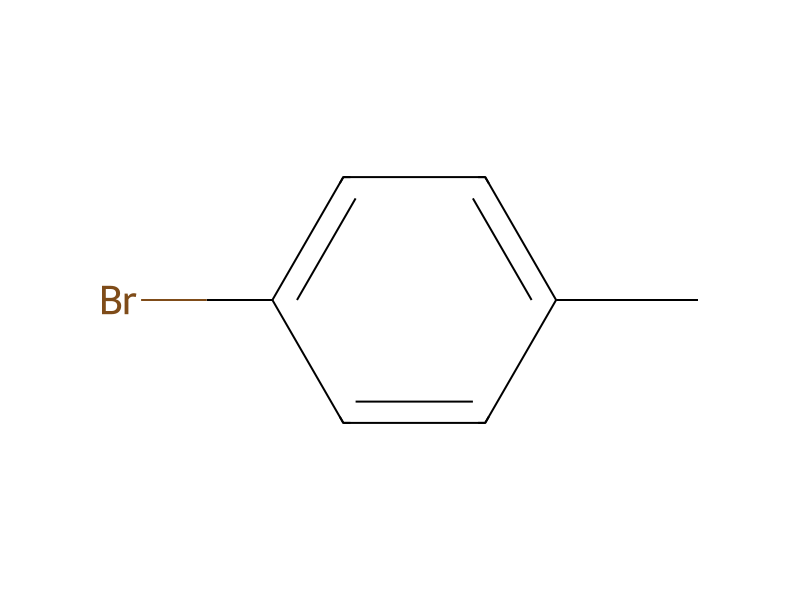
Iodine (catalytic amount) was added to a THF (30 ml) suspension of magnesium (2.4 g) in a nitrogen atmosphere at room temperature with stirring, and then a THF (20 ml) solution of 4-bromotoluene (17.1 g) was dropwise added thereto and stirred for 1 hour. The resulting mixture was added to a THF (50 ml) solution of 2,3-pyridinedicarboxylic acid anhydride (12.7 g) at 0°-5° C. with stirring, and this was stirred for additional 30 minutes as it was and then for 1 hour at room temperature. The solvent was removed from the reaction mixture by distillation, and water (30 ml) was added to the residue, which was then adjusted the pH to 1.0 with hydrochloric acid. The mixture was extracted with dichloromethane, washed with water and dried. Then, the solvent was removed by distillation. Dichloromethane (about 10 ml) was added to the residue, and then isopropyl ether (about 70 ml) was added thereto. This was stirred for 16 hours at room temperature, and 3-(4-methylbenzoyl)-2-pyridinecarboxylic acid was obtained as colorless crystals (5.0 g).