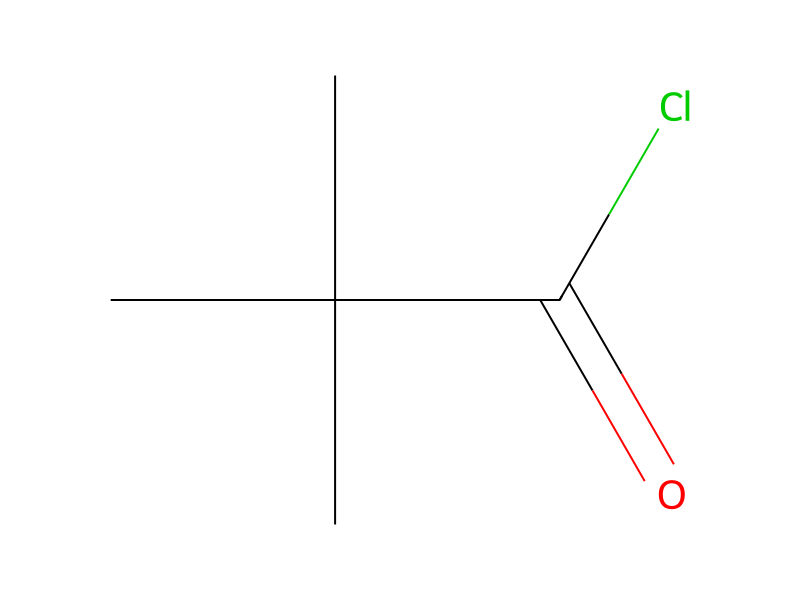
[NH2:1][C:2]1[N:10]=[CH:9][CH:8]=[CH:7][C:3]=1[C:4]([OH:6])=[O:5].C(N(CC)CC)C.CN1CCCC1=O.[C:25](Cl)(=O)[C:26]([CH3:29])([CH3:28])[CH3:27]>CN(C)C1C=CN=CC=1.O>[C:26]([C:29]1[O:5][C:4](=[O:6])[C:3]2[CH:7]=[CH:8][CH:9]=[N:10][C:2]=2[N:1]=1)([CH3:28])([CH3:27])[CH3:25]To a mixture of 2-aminonicotinic acid (13.8 g, 100 mmol), 4-dimethylaminopyridine (1.2 g, 10 mmol), triethylamine (55.8 mL, 400 mmol) and N-methylpyrrolidone (140 mL, 42 mmol) was added pivaloyl chloride (24.1 g, 200 mmol) dropwise at 0° C., and after the drop wise addition was finished, which was stirred overnight at room temperature. To the reaction mixture was added water, extracted with toluene, and the organic layer was washed with water and saturated sodium chloride water. After the solution was dried over anhydrous magnesium sulfate and filtered, the solvent was evaporated under a reduced pressure. To the residue was added n-heptane, which was suspended and stirred at 0° C., which was filtered, so as to obtain the title compound (16.6 g).