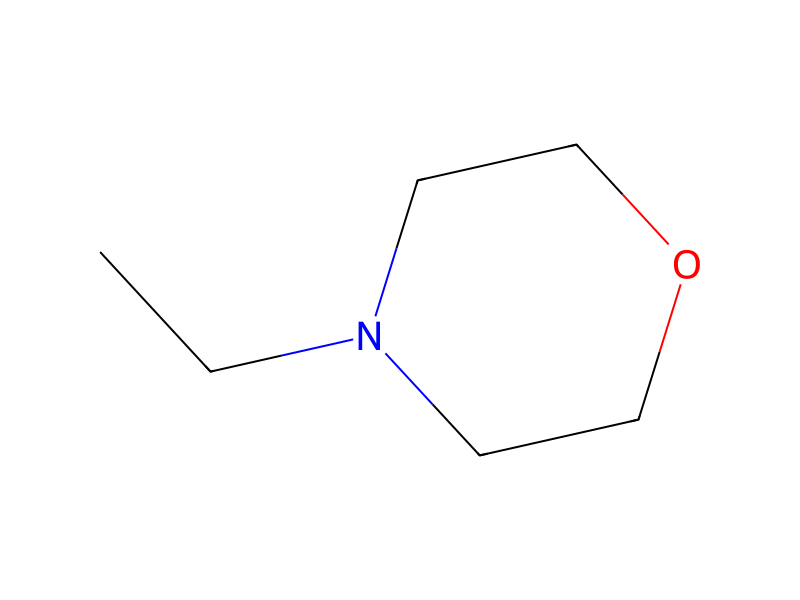
A mixture of 3.83 g (0.02 m) of 3-carbomethoxy-2-azabicyclo[2.2.1]heptane hydrochloride from Example 1, 3.29 g (0.02 m) of 4-carbomethoxy-2-methylbutanoic acid, 2.3 g of N-ethylmorpholine, 5.4 g of 1-hydroxybenzotriazole, 4.13 g of dicyclohexylcarbodiimide and 60 ml of dry tetrahydrofuran was prepared with cooling and stirring, then, allowed to stir at room temperature for 18 hours. The mixture was filtered. The filtrate was evaporated to give a syrup which was dissolved in ethyl acetate and washed with 10% acetic acid/water and water. A solid separated. The ethyl acetate extract was further washed with 5% sodium bicarbonate solution and brine, then, dried and evaporated under reduced pressure to give 3.41 g (57%) of 3-carbomethoxy-2-(4-carbomethoxy-2-methylbutanoyl)-2-azabicyclo[2.2.1]heptane, mE 297.