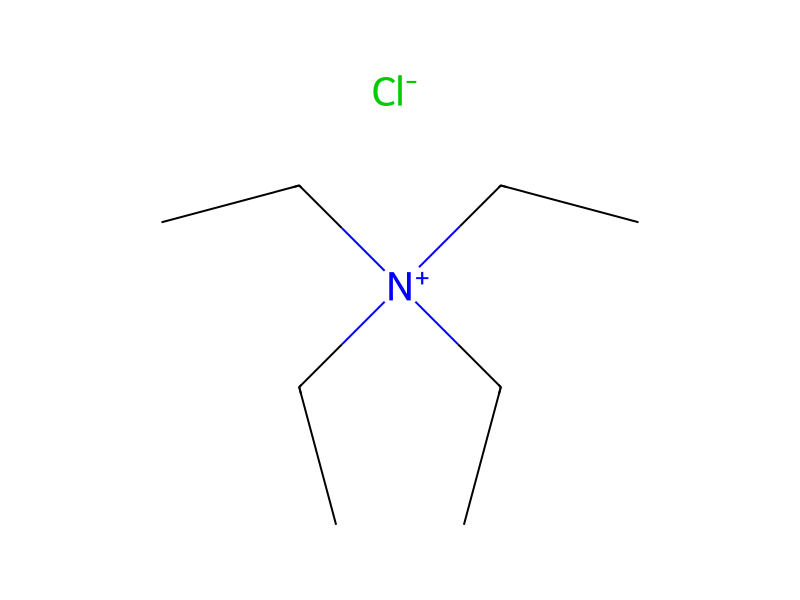
To methyl 1-(2-(2-bromo-5-chlorophenoxy)ethyl)-1H-1,2,4-triazole-3-carboxylate in acetonitrile (10.00 mL, 191.5 mmol) was added cesium carbonate (0.9036 g, 2.773 mmol) in a microwave flask with stirbar. The mixture was degassed by bubbling nitrogen by syringe. Tetraethylammonium chloride (0.2298 g, 1.387 mmol), palladium acetate (0.1556 g, 0.6933 mmol), and copper(I) iodide (0.02641 g, 0.1387 mmol) were added, respectively, and the vessel was sealed by crimping. Next, the flask was heated while stirring to 165° C. for 18 min in the microwave. Once the reaction was cooled to room temperature, the crude was filtered through celite, concentrated, and purified by silica gel chromatography, to give Methyl-9-chloro-5,6-dihydrobenzo[f][1,2,4]triazolo[1,5-d][1,4]oxazepine-2-carboxylate in 15% yield. 1H NMR (400 MHz, CDCl3) δ 8.59 (d, J=2.6 Hz, 1H), 7.34 (dd, J=8.8, 2.7 Hz, 1H), 7.04 (d, J=8.8 Hz, 1H), 4.75 (m, 2H), 4.53 (m, 2H), 4.05 (s, 3H). LRMS m/z Calcd. for C12H10ClN3O3: 279.04107, found: 280.0 [M+1]