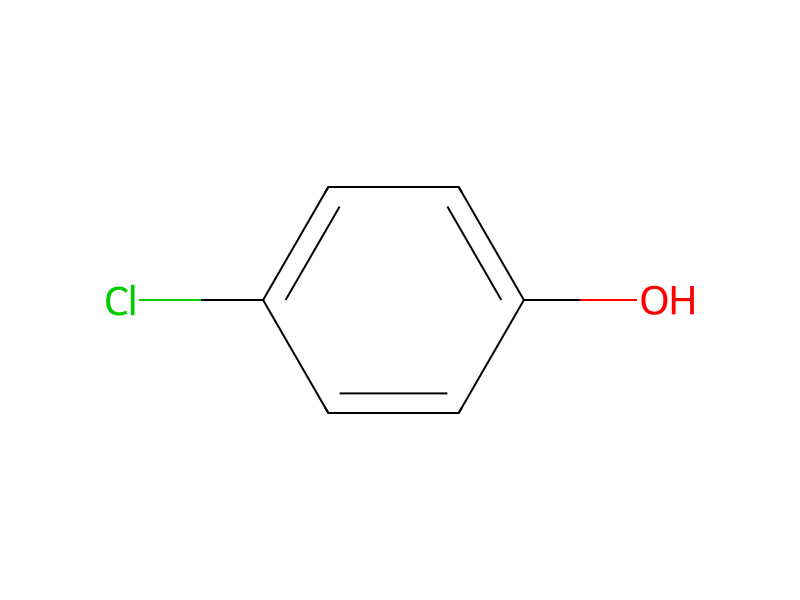
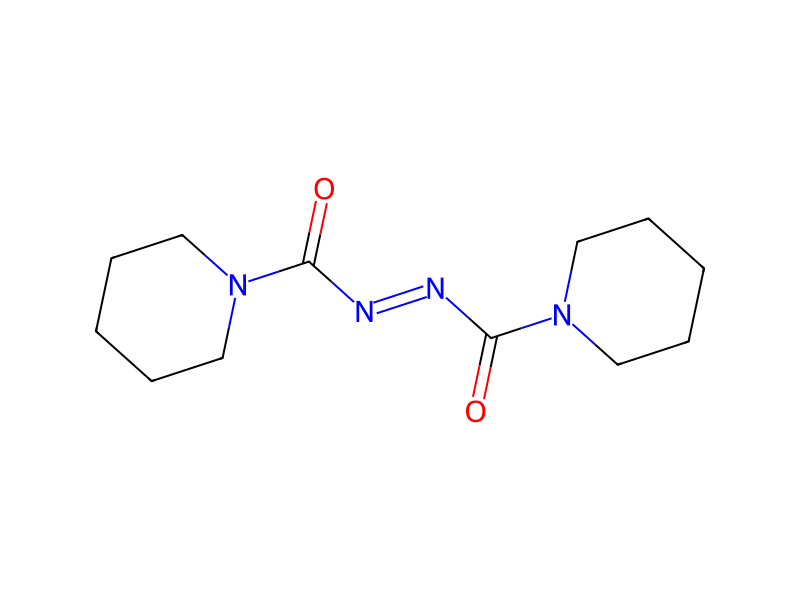
To a solution of (2-(methylthio)pyrimidin-4-yl)methanol (US 2005/0148610) (0.515 g, 3.30 mmol), 4-chlorophenol (0.466 g, 3.63 mmol), and triphenylphosphine (1.297 g, 4.95 mmol) in THF (10 mL) was added a solution of 1,1′-(azodicarbonyl)dipiperidine (1.248 g, 4.95 mmol) in THF (10 mL) dropwise. After stirring the reaction at RT overnight, the solids were filtered. The filtrate was diluted with EtOAc (30 mL), washed with water (20 mL) and by brine. The organic phase was dried (Na2SO4) and concentrated to afford the crude product. The crude product was purified using flash chromatography (silica gel/hexanes-ethyl acetate 100:0 to 0:100 gradient) to afford the desired product 4-((4-chlorophenoxy)methyl)-2-(methylthio)pyrimidine 6A (0.825 g, 3.09 mmol, 94% yield) as a light yellow solid. 1H NMR (400 MHz, Chloroform-D) δ 8.45 (1H, d, J=5.02 Hz), 7.18 (2H, d, J=8.78 Hz), 7.07-7.13 (1H, m), 6.80 (2H, d, J=8.78 Hz), 4.99 (2H, s), 2.51 (3H, s).