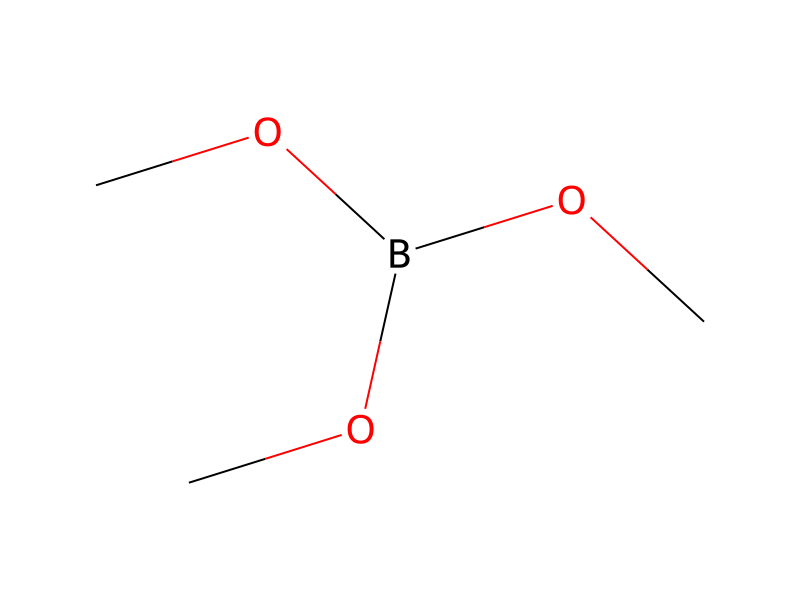
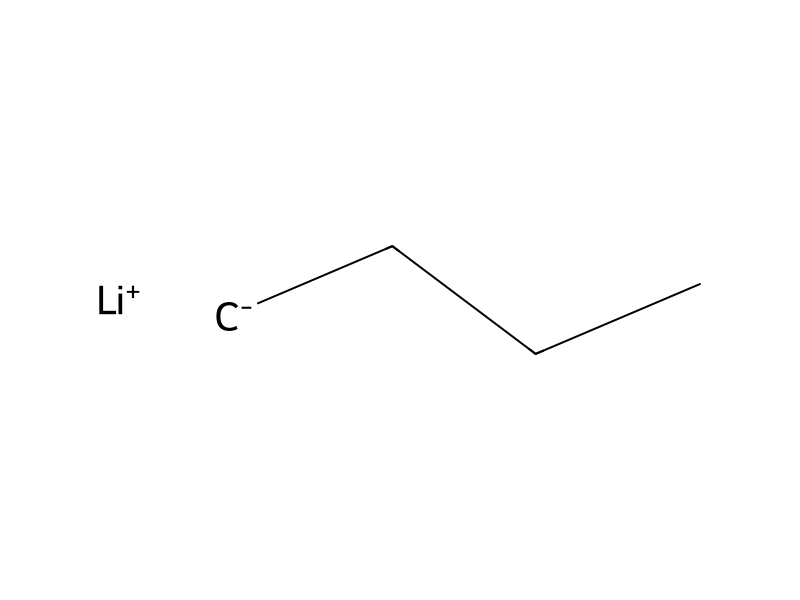
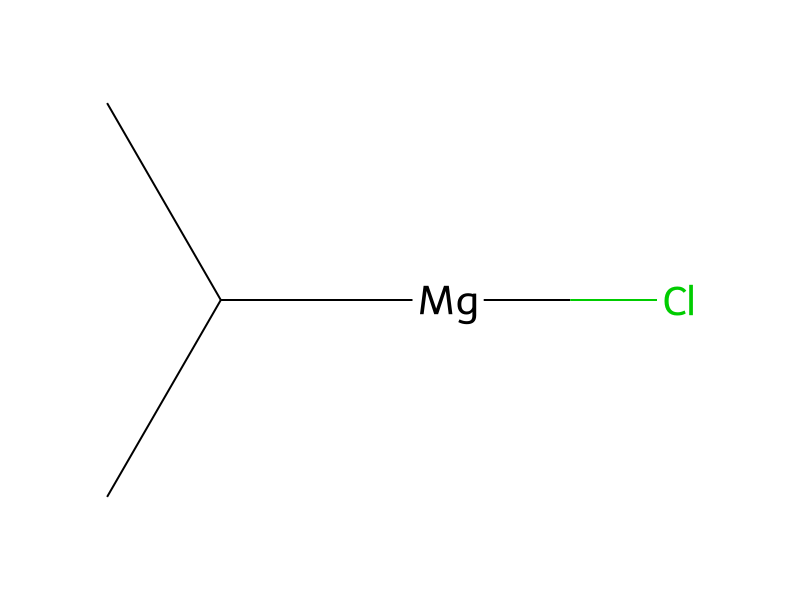
A solution of 1-(5-bromo-4-(4-phenylthiazol-2-yl)pyridin-2-yl)-3-ethylurea (2.97 g, 7.36 mmol, Intermediate 15) in THF (25 mL) was cooled to −78° C. Isopropylmagnesium chloride (2.0M in THF; 8.84 mL, 17.67 mmol, Aldrich) was added slowly and the reaction was slowly warmed to −15° C. before being cooled back down to −78° C. N-Butyllithium (2.5M in hexanes; 14.73 mL, 36.82 mmol, Aldrich) was then added and the reaction was stirred at −78° C. for 1 hour. Trimethyl borate (8.21 mL, 73.64 mmol, Aldrich) was added all at once and an exotherm was observed. Following the exotherm, the reaction mixture was allowed to warm to room temperature and stir for 3 h. The reaction mixture was then cooled to 0° C. and 20 mL of water was added slowly followed by 10 mL of 6N HCl. The reaction mixture was allowed to warm to room temperature and stir for 30 min The reaction mixture was concentrated under reduced pressure to remove THF. The aqueous portion was diluted with 1N NaOH and diethylether. The impurities went into the ether layer (yellow) and the remaining white solid was filtered, washed with water and dried. The solid was then triturate with dilute acid (pH 4.5) to remove salts. The solid was dried overnight to yield product as a white solid (1.60 g).