Reaction equation

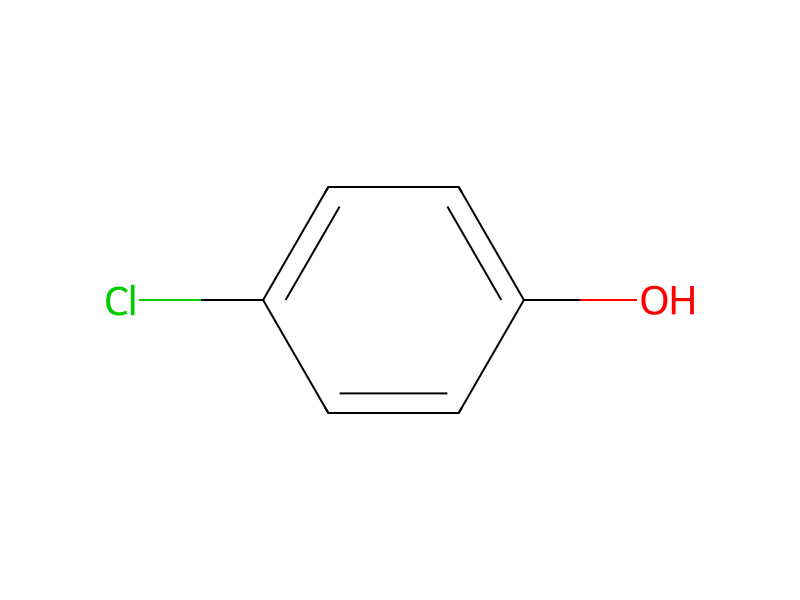
Br[CH:2]([C:9]1[CH:14]=[CH:13][CH:12]=[CH:11][CH:10]=1)[C:3](=[O:8])[C:4]([CH3:7])([CH3:6])[CH3:5].[Cl:15][C:16]1[CH:21]=[CH:20][C:19]([OH:22])=[CH:18][CH:17]=1.[Na]>C(OCC)(=O)C.C(O)C>[C:9]1([CH:2]([O:22][C:19]2[CH:20]=[CH:21][C:16]([Cl:15])=[CH:17][CH:18]=2)[C:3](=[O:8])[C:4]([CH3:7])([CH3:6])[CH3:5])[CH:14]=[CH:13][CH:12]=[CH:11][CH:10]=1Participants
6





Procedure
A solution of 25.4 g (0.1 mole) of 1-bromo-1-phenyl-3,3-dimethyl-butan-2-one in 50 ml of ethyl acetate was added dropwise, at the boil, to a solution of 12.85 g (0.1 mole) of 4-chlorophenol and 2.3 g (0.1 mole) of sodium in 100 ml of ethanol. After boiling for 12 hours under reflux, the sodium bromide which had separated out was filtered off hot. The filtrate was distilled in vacuo and the solid residue which remained was recrystallized from ligroin. 20.2 g (67% of theory) of 1-phenyl-1-(4'-chlorophenoxy)-3,3-dimethyl-butan-2-one of melting point 103° C were obtained. pg,48
Workup
- temperatureunder reflux
- customthe sodium bromide which had separated out
- filtrationwas filtered off hot
- distillationThe filtrate was distilled in vacuo
- customthe solid residue which remained was recrystallized from ligroin
Sources & evidence
- ORD record
- ord-b4a9457a32c64d9eb987db8ae5af55c0
- Source dataset
- uspto-grants-1977_09
- Patent number
- US04048318
Linked notes
Loading…