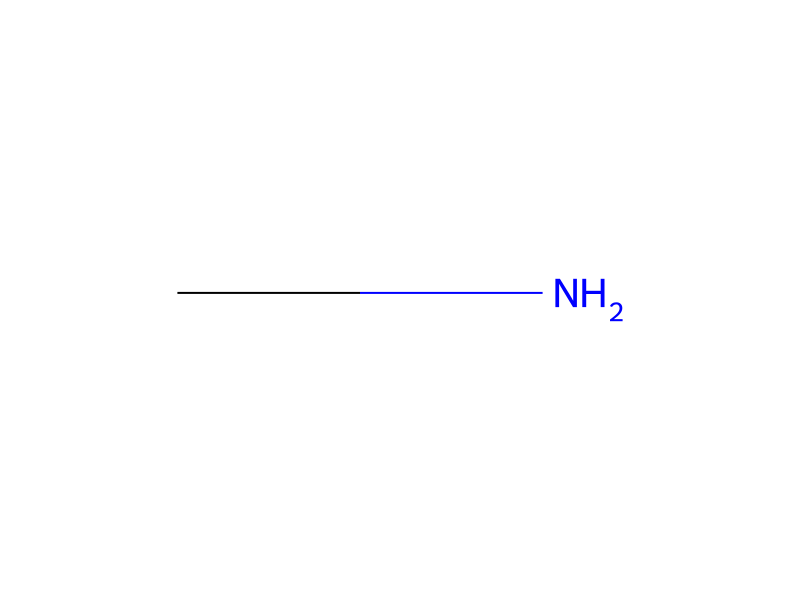
[Cl:1][C:2]1[CH:3]=[C:4]([C:8]2[N:16]([CH2:17][C:18]([OH:20])=O)[C:11]3=[N:12][CH:13]=[CH:14][CH:15]=[C:10]3[N:9]=2)[CH:5]=[CH:6][CH:7]=1.[C:21](N1C=CN=C1)([N:23]1C=CN=C1)=O.CN>O1CCCC1>[ClH:1].[Cl:1][C:2]1[CH:3]=[C:4]([C:8]2[N:16]([CH2:17][C:18]([NH:23][CH3:21])=[O:20])[C:11]3=[N:12][CH:13]=[CH:14][CH:15]=[C:10]3[N:9]=2)[CH:5]=[CH:6][CH:7]=1A suspension of 2-(3-chlorophenyl)-3H-imidazo[4,5-b] pyridine-3-acetic acid (2.89 g, 0.010 mole), 1,1'-carbonyldiimidazole (1.62 g, 0.010 mole), and anhydrous tetrahydrofuran (125 ml) was stirred at room temperature with a stream of nitrogen bubbling through it for 41/2 hours. A solution of 1M methylamine in tetrahydrofuran (15 ml, 0.015 mole) was added and the resulting solution was stoppered and stirred overnight at room temperature. The reaction mixture was concentrated in vacuo and the residue triturated twice in water (2×75 ml) and filtered. The filter cake (mp 186°-189° C.) was dissolved in isopropyl alcohol and treated with excess ethereal hydrogen chloride, giving 1.6 g (47%) of a white flocculent solid which melted from 195°-199° C. after a few crystals had melted between 185°-190° C. It was also observed that prolonged heating decreases the melting point.