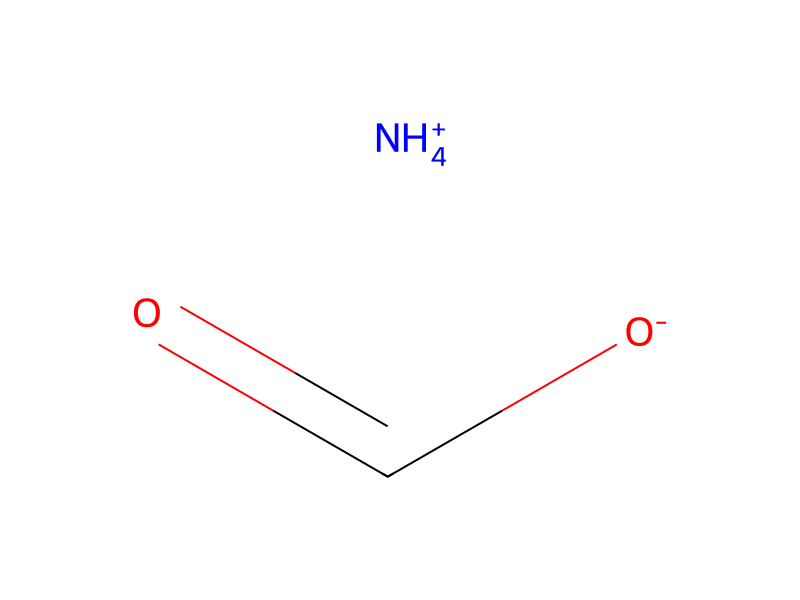
4-benzocyclobutenyl-3-nitrophenyl ketone (11.0 g, 43.4 mmol) was partially dissolved in a mixed solvent (30 ml of ethyl acetate and 70 ml of methanol in a 300 ml round-bottomed flask). To the suspension was added 0.95 g of 10% Pd/C followed by the addition of 13.0 g (206 mmol) of ammonium formate. The black reaction mixture was then stirred magnetically under an atmosphere of nitrogen at room temperature for about 3 hrs. The reaction mixture was then filtered through a bed of Celite and the solid residue was washed with methanol until the filtrate was colorless. The yellow-green filtrate was subsequently subjected to rotary evaporation. The resultant viscous amber liquid was mixed with about 50 ml of methylene chloride and the solution formed was washed with 2 portions (100 ml) of H2O. Finally, the methylene chloride extract was dried over anhydrous magnesium sulfate. After the removal of the drying agent and the solvent, a very viscous and amber liquid was isolated. Despite drying in the vacuum (70° C.) for more than 24 hours, it never solidified. Yield: 8.0 g. It was used in the subsequent synthesis without further purification. Mass Spectroscopy: M+, m/e= 223, 100%. IR(KBr pellet). ν(NH2) at 3365 vs and 3460s; ν(CO) at 1646 vs. Proton NMR (CDCl3, δ in ppm): 3.21 (singlet, 4H, alicyclic protons); 3.83 (singlet, 2H, NH2); 6.73-7.77 (multiplet, 7H, aromatic protons).