Reaction equation

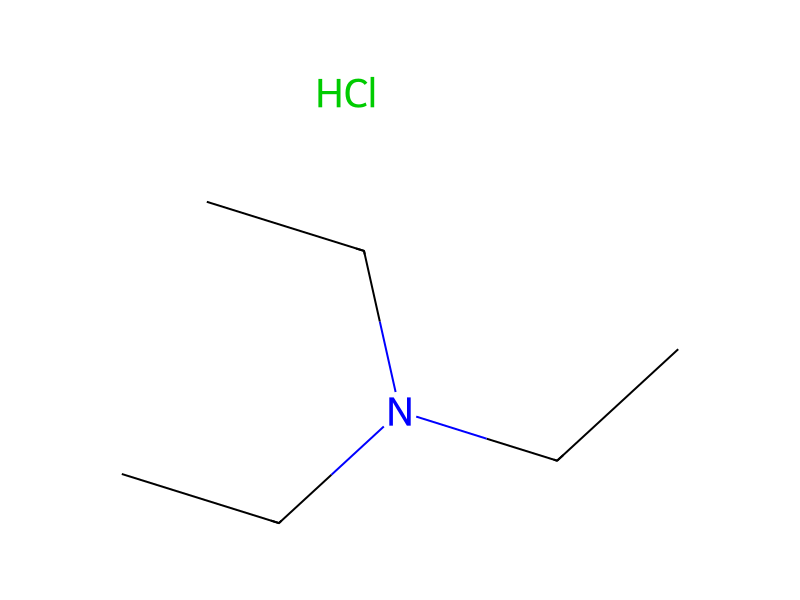
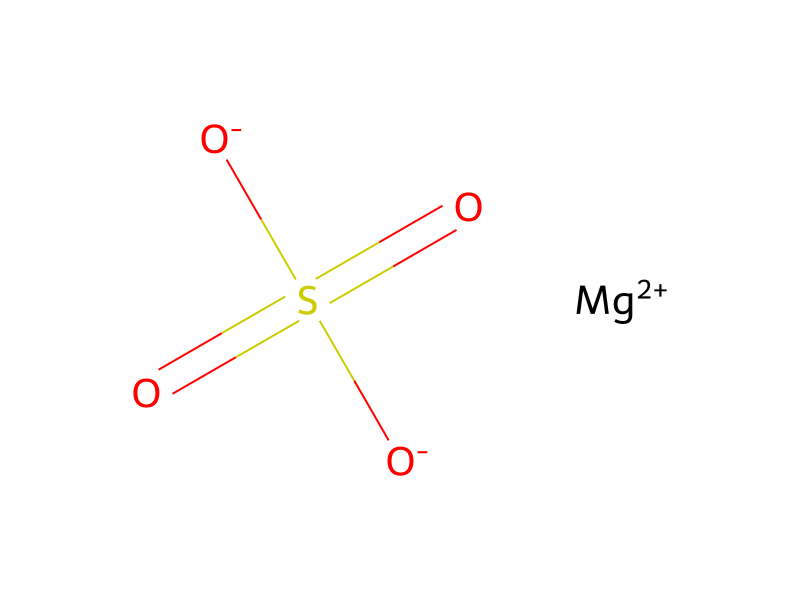
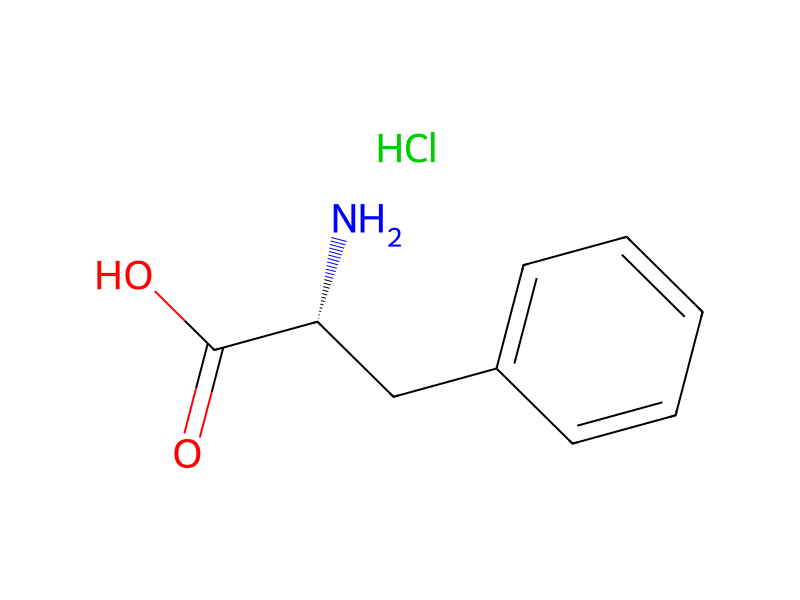
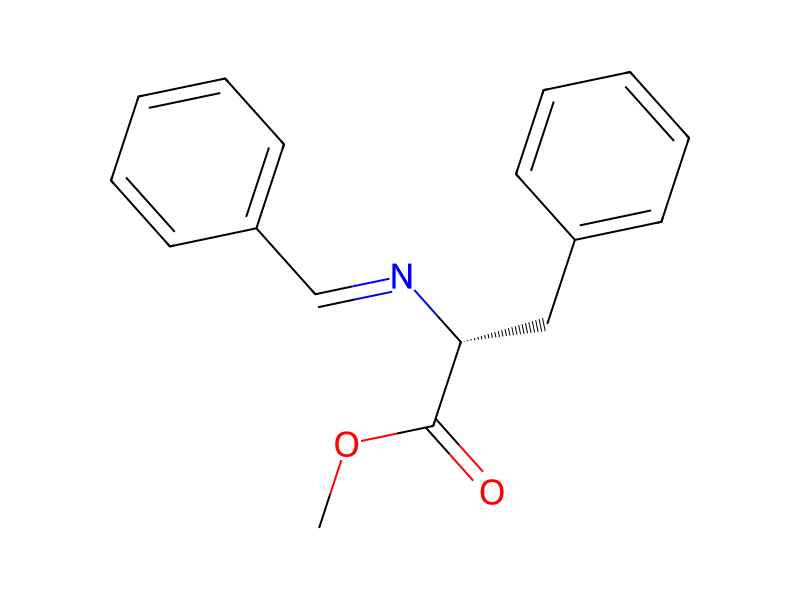
Cl.[NH2:2][C@@H:3]([C:11]([OH:13])=[O:12])[CH2:4][C:5]1[CH:10]=[CH:9][CH:8]=[CH:7][CH:6]=1.[CH2:14](N(CC)CC)C.N[C@@H](C(O)=O)[CH2:23][C:24]1[CH:29]=[CH:28][CH:27]=[CH:26][CH:25]=1.[O-]S([O-])(=O)=O.[Mg+2].C(=O)C1C=CC=CC=1.Cl.C(N(CC)CC)C>>[CH3:14][O:12][C:11](=[O:13])[C@@H:3]([CH2:4][C:5]1[CH:10]=[CH:9][CH:8]=[CH:7][CH:6]=1)[N:2]=[CH:23][C:24]1[CH:29]=[CH:28][CH:27]=[CH:26][CH:25]=1Participants
7



Procedure
To a suspension of 1.0 eq D-phenylalanine HCl (1.6 g, 7.4 mmol) was added 1.0 eq triethylamine to dissolve the D-phenylalanine. To this solution was added 1 equiv. of MgSO4 followed by the addition of 1.0 eq benzaldehyde, the reaction was stirred overnight at room temperature under N2 atmosphere. The reaction mixture was stripped of solvent and pumped on the residue contained a good deal of triethylamine hydrochloride which was removed by dissolving the product in THF and filtering out the TEA.HCl. The crude benzylidene looked fine by NMR and was all taken on in the next step.
Workup
- customwas removed
- dissolutionby dissolving the product in THF
- filtrationfiltering out the TEA
Sources & evidence
- ORD record
- ord-cd29c541c53347718afc357569e07a57
- Source dataset
- uspto-grants-1993_02
- Patent number
- US05183810
Linked notes
Loading…