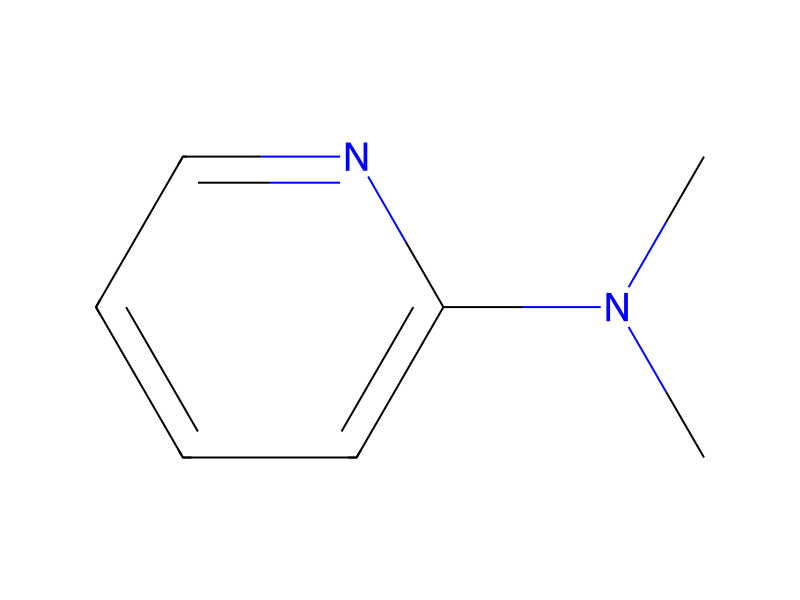
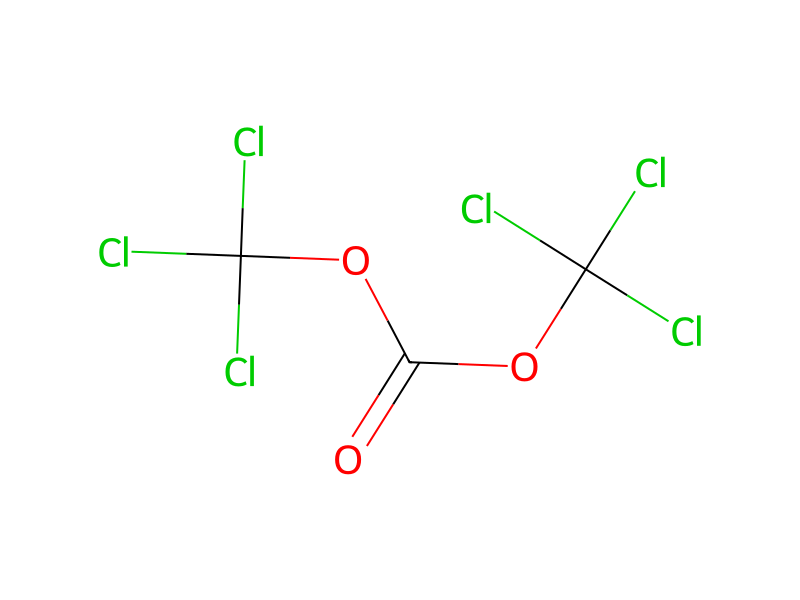
[NH:1]1[CH:10]2[CH:5]([CH2:6][CH2:7][CH2:8][CH2:9]2)[CH2:4][CH2:3][CH2:2]1.C(N(CC)CC)C.Cl[C:19](Cl)([O:21]C(=O)OC(Cl)(Cl)Cl)Cl.CN(C1C=CC=CN=1)C.[O:39]([C:46]1[CH:51]=[CH:50][CH:49]=[CH:48][C:47]=1[C:52]1[N:53]=[N:54][NH:55][C:56]=1[C:57]([O:59][CH2:60][CH3:61])=[O:58])[C:40]1[CH:45]=[CH:44][CH:43]=[CH:42][CH:41]=1>ClCCl.C(OCC)(=O)C.[Cl-].[Na+].O>[N:1]1([C:19]([N:55]2[C:56]([C:57]([O:59][CH2:60][CH3:61])=[O:58])=[C:52]([C:47]3[CH:48]=[CH:49][CH:50]=[CH:51][C:46]=3[O:39][C:40]3[CH:41]=[CH:42][CH:43]=[CH:44][CH:45]=3)[N:53]=[N:54]2)=[O:21])[CH:10]2[CH:5]([CH2:6][CH2:7][CH2:8][CH2:9]2)[CH2:4][CH2:3][CH2:2]1To a solution of decahydroquinoline (10) (1.5 equiv) in dry dichloromethane (0.5 M) under argon was added triethylamine (1.5 equiv) followed by triphosgene (1.5 equiv). The resulting heterogeneous mixture was stirred at room temperature for 15 minutes, concentrated in vacuo. The residue was taken up in dry toluene (0.25 M with respect to amine), treated with dimethylaminopyridine (DMAP) (1.0 equiv) and triazole (9) (1.0 equiv). The resulting mixture was heated to reflux for 1.5 hours, cooled to room temperature and diluted with ethyl acetate and brine, and the aqueous and organic layers were separated. The organic layer was washed with brine, 10% aqueous HCl, then brine, and dried over MgSO4, filtered and concentrated in vacuo. The residue was purified by flash chromatography on silica gel (ethyl acetate/hexanes) to provide ethyl 1-(decahydroquinoline-1-carbonyl)-4-(2-phenoxyphenyl)-1H-1,2,3-triazole-5-carboxylate (11) as a colorless oil.