HomeMCPSkillsWorkbenchOpenChem
HomeWorkbenchNotificationsMe
llms.txt · skill.md · MCP GuidePrivacy Policy · Terms of Service · Supportv1.8.5
  1. Home
  2. /Reaction

Triethylamine → 1-(decahydroquinoline-1-carbonyl)-4-(2-phenoxyphenyl)-N-((1R,2R,3R,5R)-2,6,6-trimethylbicyclo[3.1.1]heptan-3-yl)-1H-1,2,3-triazole-5-carboxamide

HRID 2097679
Print

Reaction equation

[NH:1]1[CH:10]2[CH:5]([CH2:6][CH2:7][CH2:8][CH2:9]2)[CH2:4][CH2:3][CH2:2]1.C(N(CC)CC)C.Cl[C:19](Cl)([O:21]C(=O)OC(Cl)(Cl)Cl)Cl.CN(C1C=CC=CN=1)C.[O:39]([C:46]1[CH:51]=[CH:50][CH:49]=[CH:48][C:47]=1[C:52]1[N:53]=[N:54][NH:55][C:56]=1[C:57]([NH:59][C@@H:60]1[CH2:65][C@H:64]2[CH2:66][C@@H:62]([C:63]2([CH3:68])[CH3:67])[C@H:61]1[CH3:69])=[O:58])[C:40]1[CH:45]=[CH:44][CH:43]=[CH:42][CH:41]=1>ClCCl.C(OCC)(=O)C.[Cl-].[Na+].O>[N:1]1([C:19]([N:55]2[C:56]([C:57]([NH:59][C@@H:60]3[CH2:65][C@H:64]4[CH2:66][C@@H:62]([C:63]4([CH3:68])[CH3:67])[C@H:61]3[CH3:69])=[O:58])=[C:52]([C:47]3[CH:48]=[CH:49][CH:50]=[CH:51][C:46]=3[O:39][C:40]3[CH:45]=[CH:44][CH:43]=[CH:42][CH:41]=3)[N:53]=[N:54]2)=[O:21])[CH:10]2[CH:5]([CH2:6][CH2:7][CH2:8][CH2:9]2)[CH2:4][CH2:3][CH2:2]1

ParticipantsProcedureWorkupSources & evidenceReaction notes

Participants

9

Reactant 5

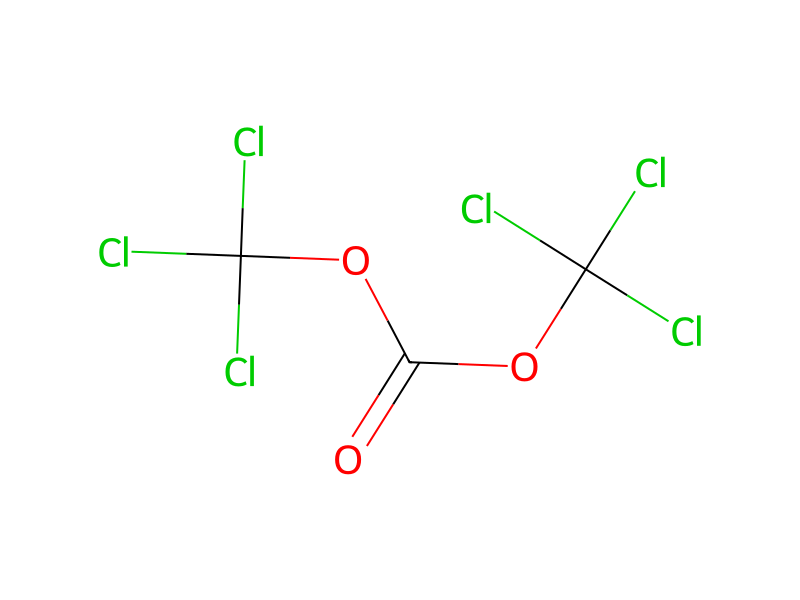
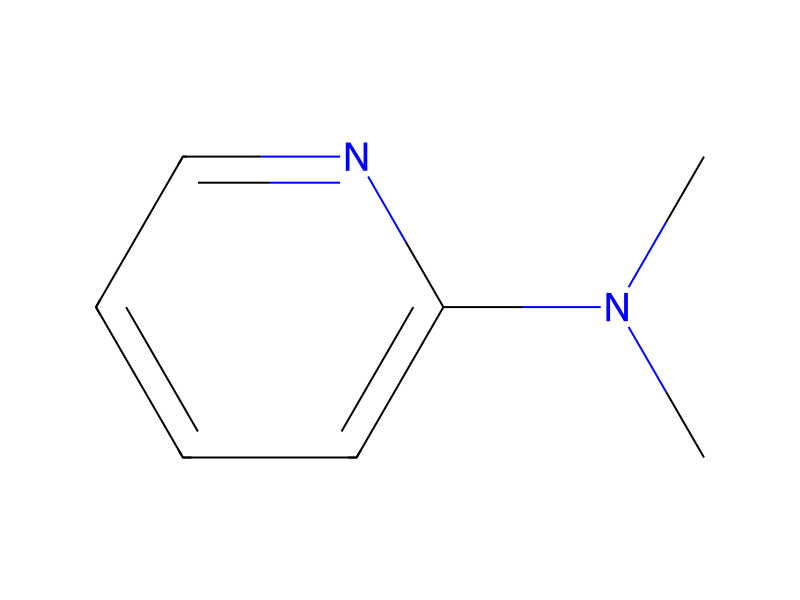
HCID 8471TriethylamineHCID 218852-DimethylaminopyridineHCID 92911DecahydroquinolineHCID 94429TriphosgeneHCID 178461482HCID 178461482, compound

Product 1

HCID 66988891
1-(decahydroquinoline-1-carbonyl)-4-(2-phenoxyphenyl)-N-((1R,2R,3R,5R)-2,6,6-trimethylbicyclo[3.1.1]heptan-3-yl)-1H-1,2,3-triazole-5-carboxamide

Reagents, catalysts & solvents 3

HCID 6344DichloromethaneSolventHCID 8857Ethyl AcetateSolventHCID 57417360Sodium chloride; waterSolvent

Procedure

To a solution of decahydroquinoline (10) (1.5 equiv) in dry dichloromethane (0.5 M) under argon was added triethylamine (1.5 equiv) followed by triphosgene (1.5 equiv). The resulting heterogeneous mixture was stirred at room temperature for 15 minutes, concentrated in vacuum and the residue was taken up in 1:1 dry toluene/THF (0.25 M with respect to amine), and treated with dimethylaminopyridine (DMAP) (1.0 equiv) and triazole (13) (1.0 equiv). The resulting mixture was heated to reflux for 1.5 hours, cooled to room temperature and diluted with ethyl acetate and brine, and the aqueous and organic layers were separated. The organic layer was washed with brine, 10% aqueous HCl, then brine, and dried over MgSO4, filtered and concentrated in vacuo. The residue is purified by flash chromatography on silica gel (ethyl acetate/hexanes) to provide 1-(decahydroquinoline-1-carbonyl)-4-(2-phenoxyphenyl)-N-((1R,2R,3R,5R)-2,6,6-trimethylbicyclo[3.1.1]heptan-3-yl)-1H-1,2,3-triazole-5-carboxamide (14) which was further purified by preparative HPLC (1% formic acid) to afford a lyophilized powder.

Workup

  1. concentrationconcentrated in vacuum
  2. temperatureThe resulting mixture was heated
  3. temperatureto reflux for 1.5 hours
  4. temperaturecooled to room temperature
  5. customthe aqueous and organic layers were separated
  6. washThe organic layer was washed with brine, 10% aqueous HCl
  7. dry with materialbrine, and dried over MgSO4
  8. filtrationfiltered
  9. concentrationconcentrated in vacuo
  10. customThe residue is purified by flash chromatography on silica gel (ethyl acetate/hexanes)

Sources & evidence

ORD record
ord-38d3b1e4955d40f792a35de2cda75cb0
Source dataset
uspto-grants-2013_05
DOI
10.6084/m9.figshare.5104873.v1
Patent number
US08450350B2

Reaction notes

On this pageParticipantsProcedureWorkupSources & evidenceReaction notes