HomeMCPWorkbenchSkills
HomeWorkbenchNotificationsMe
llms.txt · MCP GuidePrivacy Policy · Terms of Service · Supportv1.8.3
  1. Home
  2. /Reaction

N,N'-Dimethylethylenediamine → 2-[2-(3-hydroxy-cyclobutyl)-1,3-benzothiazol-6-yl]-2H-pyridazin-3-one

HRID 2103690
Print

Reaction equation

HRID 2103690 reaction equation
Br[C:2]1[CH:15]=[CH:14][C:5]2[N:6]=[C:7]([C@@H:9]3[CH2:12][C@H:11]([OH:13])[CH2:10]3)[S:8][C:4]=2[CH:3]=1.[N:16]1[NH:17][C:18](=[O:22])[CH:19]=[CH:20][CH:21]=1.C(=O)([O-])[O-].[K+].[K+].CNCCNC>N1C=CC=CC=1.O.[Cu].[Cu]I>[OH:13][CH:11]1[CH2:12][CH:9]([C:7]2[S:8][C:4]3[CH:3]=[C:2]([N:17]4[C:18](=[O:22])[CH:19]=[CH:20][CH:21]=[N:16]4)[CH:15]=[CH:14][C:5]=3[N:6]=2)[CH2:10]1
ParticipantsProcedureWorkupSources & evidenceReaction notes

Participants

9

Reactant 4

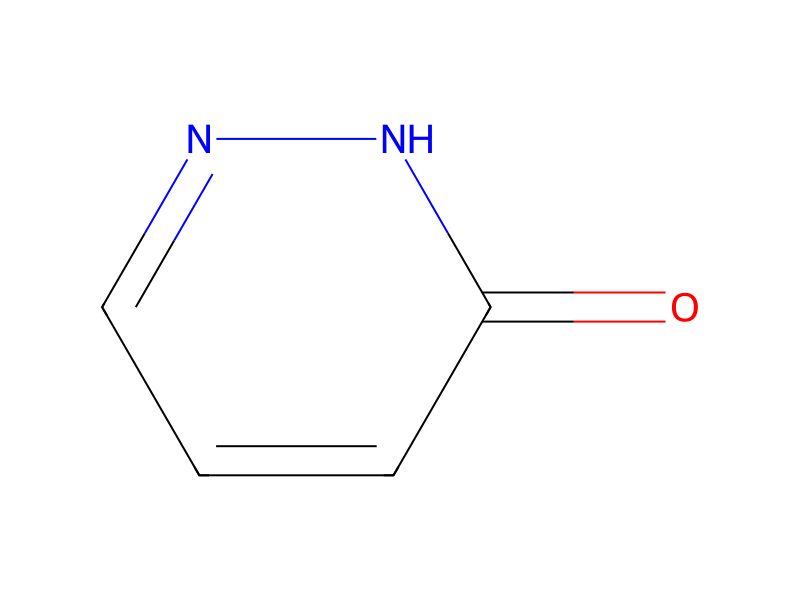
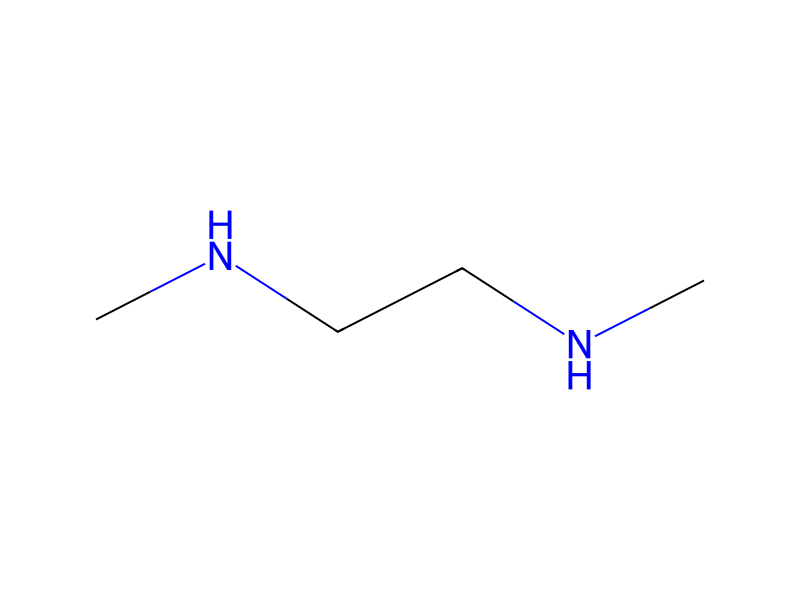
HCID 8070N,N'-DimethylethylenediamineHCID 11430Potassium CarbonateHCID 681533(2H)-PyridazinoneHCID 178521623HCID 178521623, compound

Product 1

HCID 671454642-[2-(3-hydroxy-cyclobutyl)-1,3-benzothiazol-6-yl]-2H-pyridazin-3-one

Reagents, catalysts & solvents 4

HCID 23978
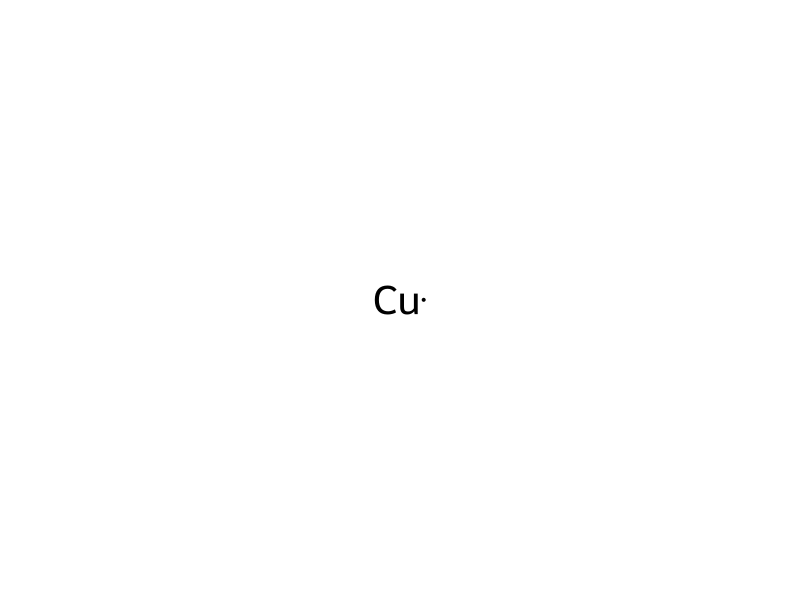
Copper
Catalyst
HCID 24350Copper(1+) iodide; Copper(I) iodide; Cuprous iodide; Cuprous iodide (CuI)Catalyst
HCID 962WaterSolvent
HCID 1049PyridineSolvent

Procedure

The product of Example 1D (cis-3-(6-Bromo-benzothiazol-2-yl)-cyclobutanol) (2.25 g, 7.93 mmole), 3(2H)-pyridazinone (CAS # 504-30-3) (1.52 g, 15.83 mmole), copper (500 mg, 7.93 mmole), potassium carbonate (3.28 g, 23.77 mmole), and copper(I) iodide (211 mg, 1.11 mmole) were mixed in degassed pyridine (50 ml) and placed under vacuum for 15 minutes then refilled with nitrogen. N,N′-dimethylethylene diamine (240 μl, 196 mg, 2.22 mmole) was added and the mixture was heated at reflux overnight. The mixture was diluted with water and extracted three times with dichloromethane. The combined organic layers were washed with brine, dried over sodium sulfate, filtered, and concentrated under reduced pressure to give the crude product which was purified by column chromatography (0.4% ammonium hydroxide and 4% methanol in dichloromethane) to provide the title compound. 1H NMR (400 MHz, CDCl3) δ ppm 8.15 (d, J=2.15 Hz, 1H) 8.04 (d, J=8.90 Hz, 1H) 7.92 (dd, J=3.68, 1.53 Hz, 1H) 7.70 (dd, J=8.59, 2.15 Hz, 1H) 7.24-7.30 (m, 1H) 7.04-7.11 (m, 1H) 4.68-4.81 (m, 0.3H) 4.31-4.43 (m, 0.7H) 3.87-3.98 (m, 0.3H) 3.39-3.51 (m, 0.7H) 2.90-3.01 (m, 1.4H) 2.77-2.87 (m, 0.6H) 2.51-2.62 (m, 0.6H) 2.33-2.45 (m, 2.1H) 2.07 (d, J=5.22 Hz, 0.3H). MS: (M+H)+=300.

Workup

  1. additionthen refilled with nitrogen
  2. temperaturethe mixture was heated
  3. temperatureat reflux overnight
  4. extractionextracted three times with dichloromethane
  5. washThe combined organic layers were washed with brine
  6. dry with materialdried over sodium sulfate
  7. filtrationfiltered
  8. concentrationconcentrated under reduced pressure
  9. customto give the crude product which
  10. customwas purified by column chromatography (0.4% ammonium hydroxide and 4% methanol in dichloromethane)

Sources & evidence

ORD record
ord-a87391f937de4c4f8abd51afc8db6b05
Source dataset
uspto-grants-2009_08
DOI
10.6084/m9.figshare.5104873.v1
Patent number
US07576110B2

Reaction notes

On this pageParticipantsProcedureWorkupSources & evidenceReaction notes