Trifluoroacetic acid → HCID 68917014, compound
Reaction equation

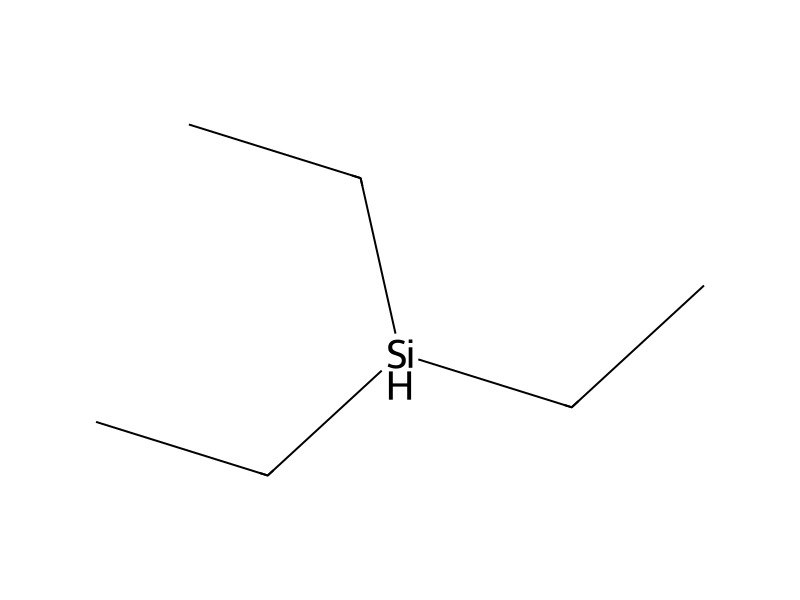
[CH3:1][C:2]1[CH:3]=[C:4]2[C:8](=[CH:9][C:10]=1[CH3:11])[C:7](=[O:12])[N:6]([C:13]1[CH:14]=[N:15][CH:16]=[CH:17][CH:18]=1)[C:5]2([CH2:20][CH2:21][CH2:22][CH2:23][CH2:24][CH3:25])O.FC(F)(F)C(O)=O.C([SiH](CC)CC)C.C([O-])([O-])=O.[K+].[K+]>C(Cl)Cl>[CH3:1][C:2]1[CH:3]=[C:4]2[C:8](=[CH:9][C:10]=1[CH3:11])[C:7](=[O:12])[N:6]([C:13]1[CH:14]=[N:15][CH:16]=[CH:17][CH:18]=1)[C:5]2=[CH:20][CH2:21][CH2:22][CH2:23][CH2:24][CH3:25]Participants
6
Reactant 4



Product 1

Reagents, catalysts & solvents 1
