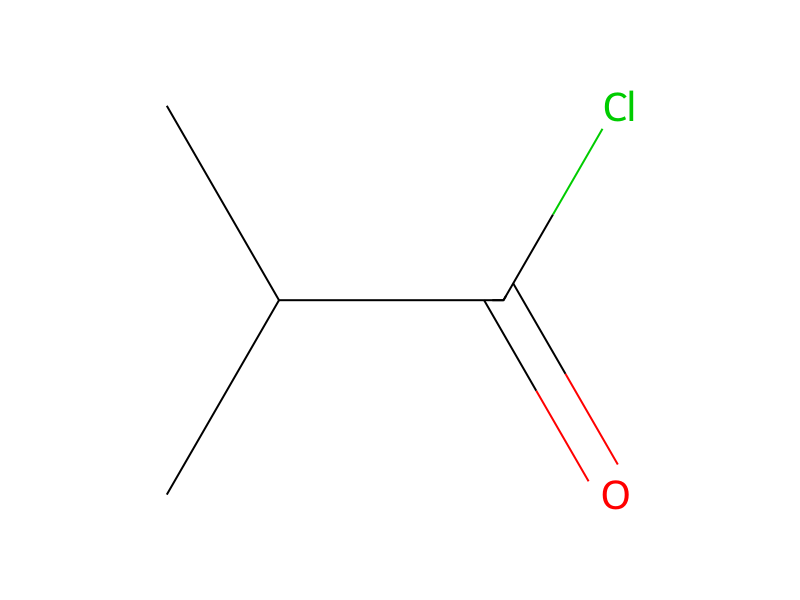
Isobutyryl chloride → isobutyric acid N'-(5-bromo-pyridin-2-yl)-hydrazide
HRID 2121628
Reaction equation

[Br:1][C:2]1[CH:3]=[CH:4][C:5]([NH:8][NH2:9])=[N:6][CH:7]=1.C(N(CC)C(C)C)(C)C.[C:19](Cl)(=[O:23])[CH:20]([CH3:22])[CH3:21]>ClCCl.CN(C)C=O.O>[Br:1][C:2]1[CH:3]=[CH:4][C:5]([NH:8][NH:9][C:19](=[O:23])[CH:20]([CH3:22])[CH3:21])=[N:6][CH:7]=1Participants
7