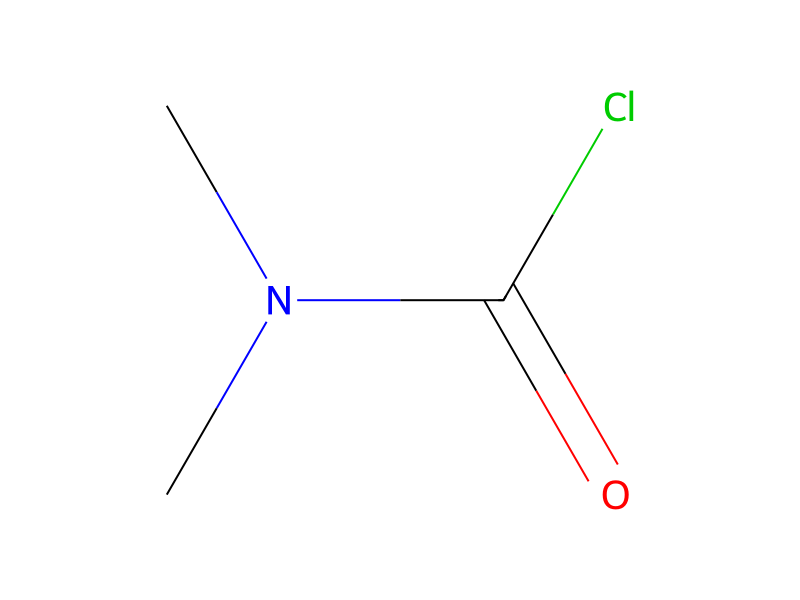
[CH3:1][C:2]1[C:19]([CH3:20])=[CH:18][C:5]2[NH:6][C:7]([C:9]3[C:13]4[CH2:14][NH:15][CH2:16][CH2:17][C:12]=4[NH:11][N:10]=3)=[N:8][C:4]=2[CH:3]=1.[CH:21]([N:24]([CH:27](C)C)CC)([CH3:23])[CH3:22].CN(C)C(Cl)=[O:33]>CN(C)C=O>[CH:21]([NH:24][C:27]([N:15]1[CH2:16][CH2:17][C:12]2[NH:11][N:10]=[C:9]([C:7]3[NH:6][C:5]4[CH:18]=[C:19]([CH3:20])[C:2]([CH3:1])=[CH:3][C:4]=4[N:8]=3)[C:13]=2[CH2:14]1)=[O:33])([CH3:23])[CH3:22]A solution of 3-(5,6-dimethyl-1H-benzoimidazol-2-yl)-4,5,6,7-tetrahydro-1H-pyrazolo[4,3-c]pyridine [0.150 g, Example 251(a)] in dimethyl formamide (4 ml) was treated with diisopropylethylamine (0.54 ml) and then with dimethyl carbamyl chloride (0.122 ml). After stirring for 1 hour the reaction mixture was quenched by the addition of methanol (0.1 ml) and then diluted with ethyl acetate. This mixture was washed five times with brine and then evaporated. The residue was treated with tetrahydrofuran (9 ml) and methanol (3 ml) and the resulting solution was then treated with potassium hydroxide (50 mg). This mixture was stirred for 1 hour, then acidified by addition of hydrochloric acid (1M) and then extracted three times with ethyl acetate. The aqueous layer was basified by addition of sodium carbonate and the resulting suspension was filtered, then washed with water, then dried in air and then azeotroped with toluene to yield 3-(5,6-dimethyl-1H-benzoimidazol-2-yl)-1,4,6,7-tetrahydro-pyrazolo[4,3-c]pyridine-5-carboxylic acid isopropylamide as a pale brown solid. MS: 339 (M+H)+. HPLC (METHOD F1): RT=8.67 minutes. (b) Cyclopropyl-[3-(5,6-dimethyl-1H-benzoimidazol-2-yl)-1,4,6,7-tetrahydro-pyrazolo[4,3-c]pyridin-5-yl]-methanone