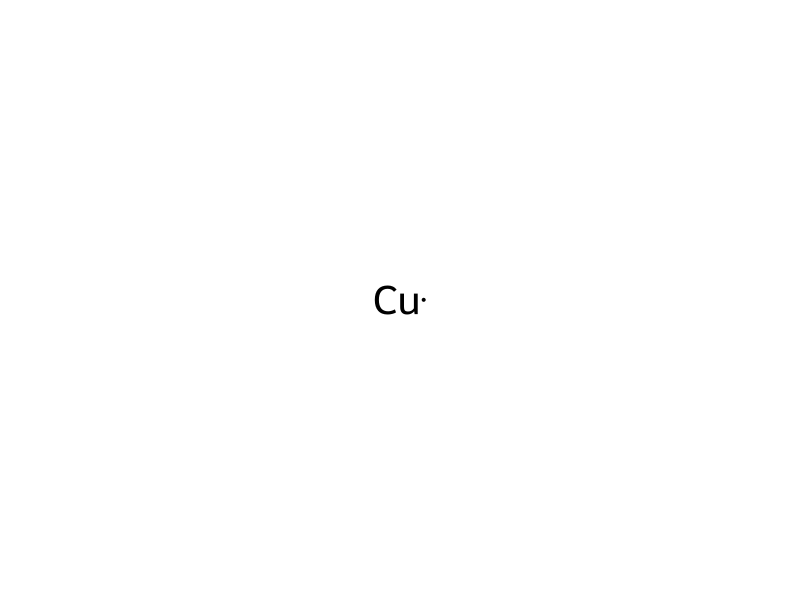
Cl[C:2]1[CH:10]=[C:9]([N+:11]([O-:13])=[O:12])[CH:8]=[CH:7][C:3]=1[C:4]([OH:6])=[O:5].[F:14][C:15]1[CH:21]=[CH:20][C:18]([NH2:19])=[CH:17][CH:16]=1.CN1CCOCC1>[Cu].[Cu]Cl.CN(C)C(=O)C>[F:14][C:15]1[CH:21]=[CH:20][C:18]([NH:19][C:2]2[CH:10]=[C:9]([N+:11]([O-:13])=[O:12])[CH:8]=[CH:7][C:3]=2[C:4]([OH:6])=[O:5])=[CH:17][CH:16]=1To N,N-dimethylacetamide 150 mL solution of 2-chloro-4-nitrobenzoic acid 30 g, were added 4-fluoroaniline 29 mL, copper powder 2.8 g, copper (I) chloride 5.3 g and N-methylmorpholine 33 mL at room temperature, and it was stirred at 110 to 120° C. for 10 hours. After the reaction mixture was cooled to room temperature, insoluble matter was filtrated, and 1.0 mol/L hydrochloric acid 700 mL and ethyl acetate 700 mL were added to it. The organic layer was separated and collected,dried over anhydrous magnesium sulfate after sequential washing with 1.0 mol/L hydrochloric acid and saturated sodium chloride aqueous solution, and the solvent was removed under reduced pressure. Diisopropyl ether was added to the obtained residue, solid matter was filtrated to give 2-(4-fluoroanilino)-4-nitrobenzoic acid 9.7 g of red solid.