HomeMCPWorkbenchSkills
HomeWorkbenchNotificationsMe
llms.txt · MCP GuidePrivacy Policy · Terms of Service · Supportv1.8.0
  1. Home
  2. /Reaction

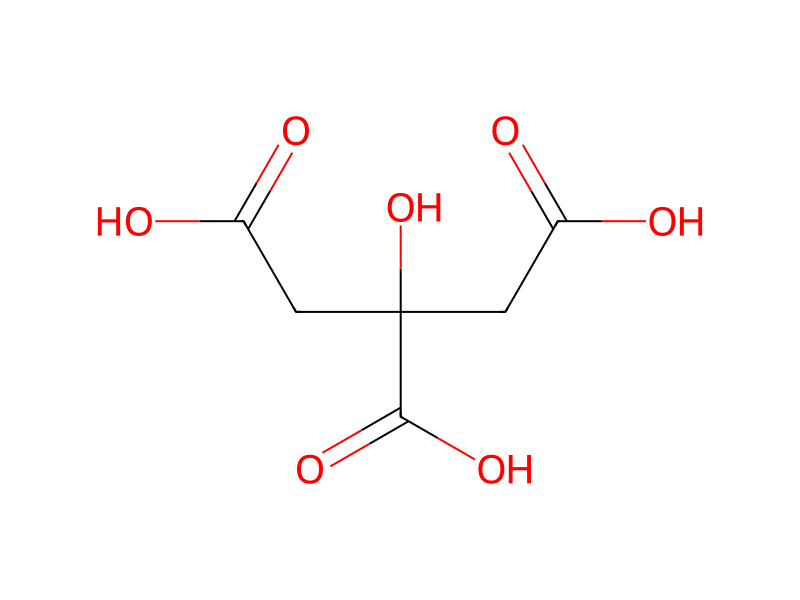
Citric Acid → HCID 68961151, compound

HRID 2191821
Notes
Print preview

Reaction equation

HRID 2191821 reaction equation
[NH2:1][C:2]1[CH:14]=[C:13]([C:15]2[CH:20]=[CH:19][CH:18]=[C:17]([O:21][C:22]([O:24][C:25]([CH3:28])([CH3:27])[CH3:26])=[O:23])[CH:16]=2)[CH:12]=[CH:11][C:3]=1[C:4]([O:6][C:7]([CH3:10])([CH3:9])[CH3:8])=[O:5].C(=O)([O-])[O-].[Cs+].[Cs+].Br[C:36]1[CH:37]=[CH:38][C:39]2[S:43][CH:42]=[CH:41][C:40]=2[CH:44]=1.C1(P(C2CCCCC2)C2C=CC=CC=2C2C(C(C)C)=CC(C(C)C)=CC=2C(C)C)CCCCC1.C(O)(=O)CC(CC(O)=O)(C(O)=O)O>C1C=CC(/C=C/C(/C=C/C2C=CC=CC=2)=O)=CC=1.C1C=CC(/C=C/C(/C=C/C2C=CC=CC=2)=O)=CC=1.C1C=CC(/C=C/C(/C=C/C2C=CC=CC=2)=O)=CC=1.[Pd].[Pd].C([O-])(=O)C.[Pd+2].C([O-])(=O)C.C(OCC)(=O)C.C1(C)C=CC=CC=1>[S:43]1[C:39]2[CH:38]=[CH:37][C:36]([NH:1][C:2]3[CH:14]=[C:13]([C:15]4[CH:20]=[CH:19][CH:18]=[C:17]([O:21][C:22]([O:24][C:25]([CH3:28])([CH3:27])[CH3:26])=[O:23])[CH:16]=4)[CH:12]=[CH:11][C:3]=3[C:4]([O:6][C:7]([CH3:10])([CH3:9])[CH3:8])=[O:5])=[CH:44][C:40]=2[CH:41]=[CH:42]1
ParticipantsConditionsProcedureWorkupSources & evidenceReaction notes

Participants

10

Reactant 5

HCID 311Citric AcidHCID 10796Cesium carbonate2×HCID 27765785-Bromo-1-benzothiophene2×HCID 111557942-Dicyclohexylphosphino-2',4',6'-triisoprophylbiphenyl3×HCID 68958545HCID 68958545, compound

Product 1

HCID 68961151
HCID 68961151, compound

Reagents, catalysts & solvents 4

HCID 167845palladium(II) acetateCatalyst3×HCID 9811564Bis(dibenzylideneacetone)palladiumCatalyst3×HCID 1140TolueneSolventHCID 8857Ethyl AcetateSolvent

Conditions

Temperature
110 °C

Procedure

To toluene 3.0 mL suspension of tert-butyl 2-amino-4-(3-(tert-butoxycarbonyloxy)phenyl)benzoate 0.12 g and cesium carbonate 0.25 g were added 5-bromobenzothiophene 0.13 g, 2-dicyclohexylphosphino-2′,4′,6′-triisopropylbiphenyl 7.4 mg, tris(dibenzylideneacetone)dipalladium(0) 2.9 mg and palladium acetate 1.4 mg at room temperature, and it was stirred at 110° C. for 24 hours. 2-Dicyclohexylphosphino-2′,4′,6′-triisopropylbiphenyl 7.4 mg, tris(dibenzylideneacetone)dipalladium(0) 2.9 mg and palladium acetate 1.4 mg were added to it, and it was stirred at 110° C. for 21 hours. Cesium carbonate 51 mg, 5-bromobenzothiophene 33 mg, 2-dicyclohexylphosphino-2′,4′,6′-triisopropylbiphenyl 7.4 mg, tris(dibenzylideneacetone)dipalladium(0) 2.9 mg and palladium acetate 1.4 mg were added to it, and it was stirred at 110° C. for 24 hours. After the reaction mixture was cooled to room temperature, ethyl acetate and 10% citric acid aqueous solution were added to it, and insoluble matter was filtrated. The organic layer was separated and collected,dried over anhydrous magnesium sulfate after washing with saturated sodium chloride aqueous solution, and the solvent was removed under reduced pressure. The obtained residue was refined by silica gel column chromatography [Trikonex company, Flash Tube 2008, eluent; hexane:ethyl acetate=10:1] to give tert-butyl 2-((benzothiophen-5-yl)amino)-4-(3-(tert-butoxycarbonyloxy)phenyl)benzoate.

Workup

  1. stirringwas stirred at 110° C. for 21 hours
  2. stirringwas stirred at 110° C. for 24 hours
  3. temperatureAfter the reaction mixture was cooled to room temperature
  4. filtrationwas filtrated
  5. customThe organic layer was separated
  6. washafter washing with saturated sodium chloride aqueous solution
  7. customthe solvent was removed under reduced pressure

Sources & evidence

ORD record
ord-8836dc27c4ef411597c74f9ef60d5307
Source dataset
uspto-grants-2012_12
DOI
10.6084/m9.figshare.5104873.v1
Patent number
US08327467B2

Reaction notes

Loading…

On this pageParticipantsConditionsProcedureWorkupSources & evidenceReaction notes




