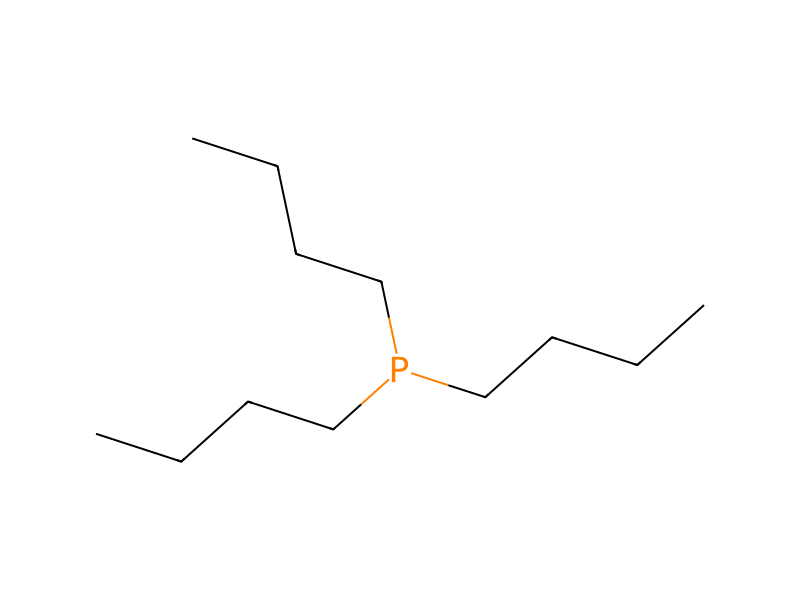
O[CH:2]1[CH:7]2[CH2:8][CH:4]([CH2:5][N:6]2[CH2:9][CH2:10][CH2:11][C:12]([CH3:23])([S:14]([C:17]2[CH:22]=[CH:21][CH:20]=[CH:19][CH:18]=2)(=[O:16])=[O:15])[CH3:13])[CH2:3]1.[C-:24]#[N:25].[K+].C1OCCOCCOCCOCCOCCOC1.C(P(CCCC)CCCC)CCC.C(Cl)(Cl)(Cl)Cl>C(#N)C>[C:24]([CH:2]1[CH:7]2[CH2:8][CH:4]([CH2:5][N:6]2[CH2:9][CH2:10][CH2:11][C:12]([CH3:23])([S:14]([C:17]2[CH:22]=[CH:21][CH:20]=[CH:19][CH:18]=2)(=[O:16])=[O:15])[CH3:13])[CH2:3]1)#[N:25]6-Hydroxy-2-[4-methyl-4-(phenylsulfonyl)pentyl]-2-azabicyclo[2.2.1]heptane (1 g, 2.97 mmol), potassium cyanide (386 mg, 6 mmol) and 18-crown-6 (78 mg, cat.) were suspended in acetonitrile and the mixture was cooled in ice-water. Tri-n-butylphosphine (1.2 ml, 5 mmol) was added followed by dropwise addition of carbon tetrachloride (0.57 ml, 6 mmol). The mixture was allowed to stir at room temperature for 12 h. The combined organic extracts were washed with brine, dried (MgSO4) and evaporated in vacuo. The residue was purified by column chromatography on silica using a gradient elution of 10–100% ethyl acetate in i-hexane, to give the product (600 mg, 58%) as an oil which crystallised on standing.