HomeMCPWorkbenchSkills
HomeWorkbenchNotificationsMe
llms.txt · MCP GuidePrivacy Policy · Terms of Service · Supportv1.8.3
  1. Home
  2. /Reaction

Allyl bromide → HCID 68874238, compound

HRID 2224825
Print

Reaction equation

HRID 2224825 reaction equation
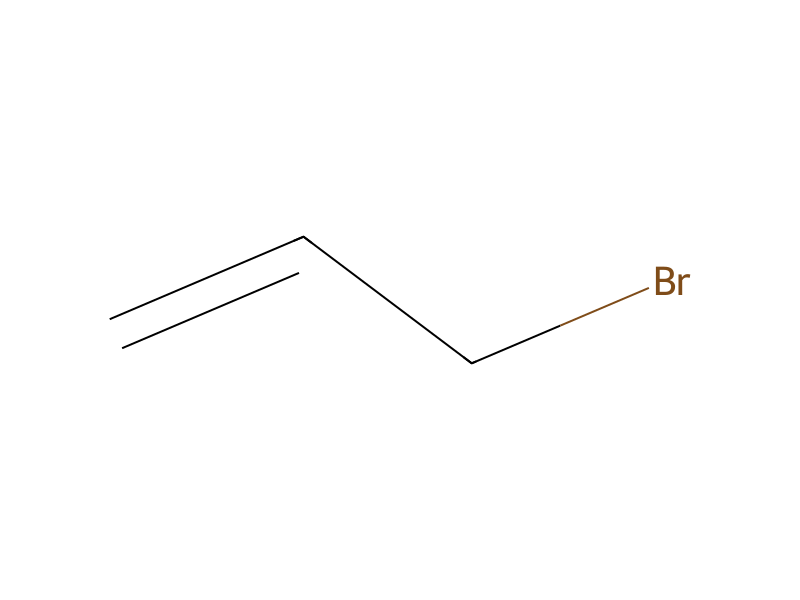
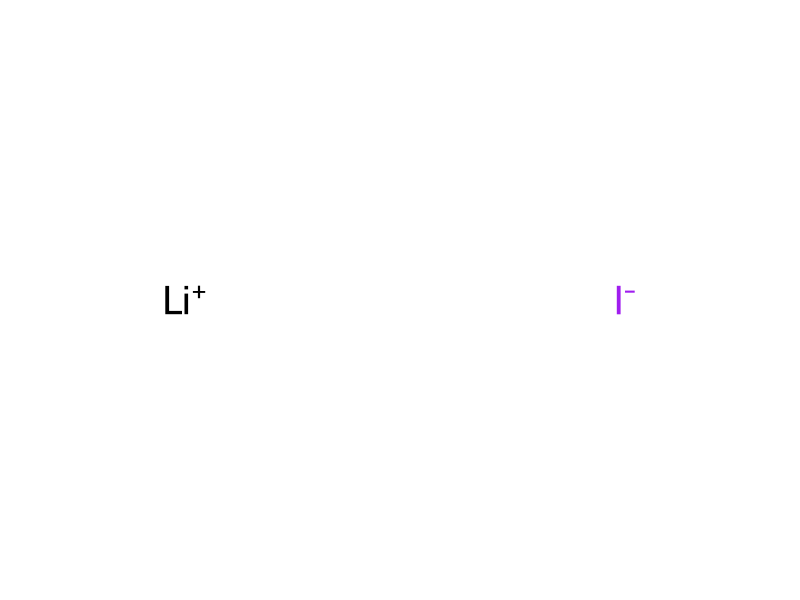
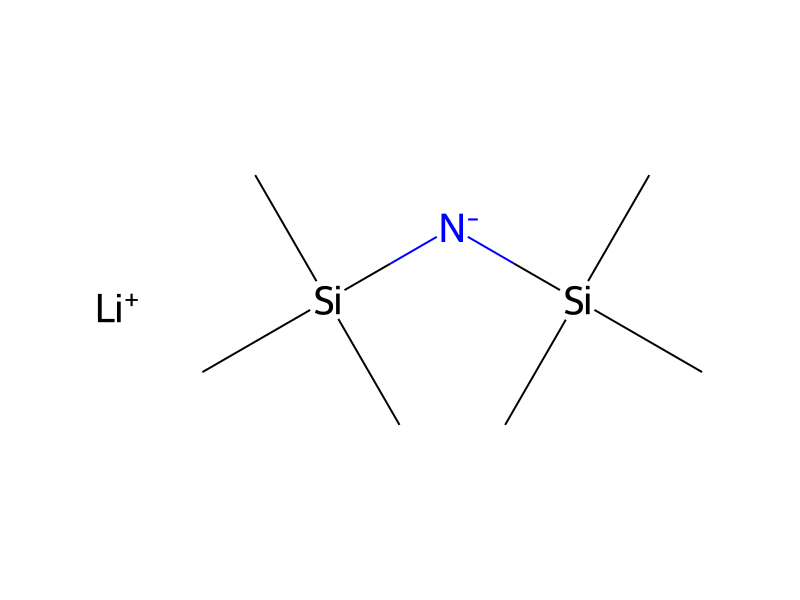
[CH2:1]([O:8][C:9](=[O:18])[CH:10]([C:12]1[CH:17]=[CH:16][CH:15]=[CH:14][CH:13]=1)[CH3:11])[C:2]1[CH:7]=[CH:6][CH:5]=[CH:4][CH:3]=1.[CH2:19](Br)[CH:20]=[CH2:21].[I-].[Li+].C[Si](C)(C)[N-][Si](C)(C)C.[Li+]>O1CCCC1>[CH3:11][C:10]([C:12]1[CH:17]=[CH:16][CH:15]=[CH:14][CH:13]=1)([CH2:21][CH:20]=[CH2:19])[C:9]([O:8][CH2:1][C:2]1[CH:3]=[CH:4][CH:5]=[CH:6][CH:7]=1)=[O:18]
ParticipantsConditionsProcedureWorkupSources & evidenceReaction notes

Participants

6

Reactant 4

HCID 7841Allyl bromideHCID 66321Lithium iodideHCID 2733832Lithium hexamethyldisilazaneHCID 144940472-Phenyl-propionic acid benzyl ester

Product 1

HCID 68874238HCID 68874238, compoundYield 99%

Reagents, catalysts & solvents 1

HCID 8028
Tetrahydrofuran
Solvent

Conditions

Temperature
25 °C

Procedure

A solution of 2-phenyl-propionic acid benzyl ester (2.0 g, 8.32 mmol), allyl bromide (0.865 mL, 9.99 mmol), and lithium iodide (1 g) in tetrahydrofuran (15 mL) at 0° C. was treated dropwise with the lithium hexamethyldisilazide (9.99 mL, 1M in tetrahydrofuran, 9.99 mmol). The reaction was allowed to warm to 25° C. and stirred for 18 hours. The solvent was removed in vacuo and the residue was partitioned between water and ethyl acetate. The aqueous phase was extracted three times with ethyl acetate and the ethyl acetate layers were combined, dried with sodium sulfate, filtered, and concentrated in vacuo. The residue was chromatographed on silica gel eluting with hexane, then 10% ethyl acetate in hexane, and 20% ethyl acetate in hexane to give the title compound (2.31 g, 99%). 1H NMR (300 MHz, CDCl3): δ ppm 1.56 (m, 3 H) 2.68 (m, 1 H) 2.85 (m, 1 H) 5.05 (m, 4 H) 5.59 (m, 1 H) 7.26 (m, 10 H).

Workup

  1. customThe solvent was removed in vacuo
  2. customthe residue was partitioned between water and ethyl acetate
  3. extractionThe aqueous phase was extracted three times with ethyl acetate
  4. dry with materialdried with sodium sulfate
  5. filtrationfiltered
  6. concentrationconcentrated in vacuo
  7. customThe residue was chromatographed on silica gel eluting with hexane

Sources & evidence

ORD record
ord-d2b7db177f894562800038dc622562e1
Source dataset
uspto-grants-2008_05
DOI
10.6084/m9.figshare.5104873.v1
Patent number
US07378414B2

Reaction notes

On this pageParticipantsConditionsProcedureWorkupSources & evidenceReaction notes