HomeMCPWorkbenchSkills
HomeWorkbenchNotificationsMe
llms.txt · MCP GuidePrivacy Policy · Terms of Service · Supportv1.8.3
  1. Home
  2. /Reaction

Sodium Iodide → 2,3-Dicyanonaphthalene

HRID 22458
Print

Reaction equation

HRID 22458 reaction equation
Br[C:2]1[C:3](Br)=[C:4](Br)[C:5](Br)=[C:6]([CH3:9])[C:7]=1[CH3:8].[C:13](#[N:18])/[CH:14]=[CH:15]/[C:16]#[N:17].[I-].[Na+].S([O-])(O)=O.[Na+]>CN(C)C=O>[C:16]([C:15]1[C:14]([C:13]#[N:18])=[CH:8][C:7]2[C:6](=[CH:5][CH:4]=[CH:3][CH:2]=2)[CH:9]=1)#[N:17]
ParticipantsProcedureWorkupSources & evidenceReaction notes

Participants

6

Reactant 4

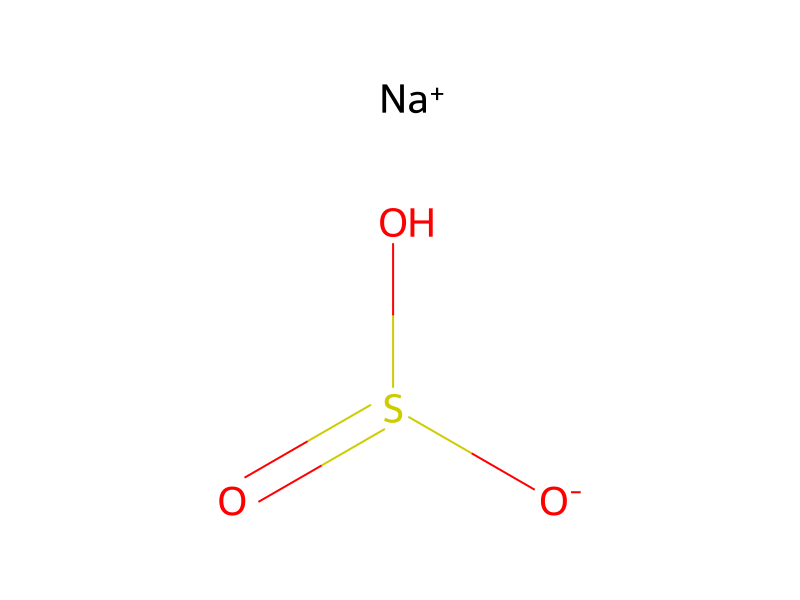
HCID 5238Sodium IodideHCID 177713,4,5,6-Tetrabromo-o-xyleneHCID 637930FumaronitrileHCID 23665763Sodium Bisulfite

Product 1

HCID 6012702,3-DicyanonaphthaleneYield 80%

Reagents, catalysts & solvents 1

HCID 6228
Dimethylformamide
Solvent

Procedure

To 0.1 mole of tetrabromoxylene, 0.17 mole of fumaronitrile, 0.66 mole of sodium iodide and 400 ml of anhydrous dimethylformamide were added and heated with stirring at 70° to 80° C. for 7 hours. The reaction solution was added to 800 g of ice water. To the deposited precipitate, about 15 g of sodium hydrogen sulfite was added and allowed to stand overnight. After filtration by suction and drying, white 2,3-dicyano-naphthalene was obtained by recrystallization from chloroform/ethanol in yield of 80%.

Workup

  1. temperatureheated
  2. waitto stand overnight
  3. filtrationAfter filtration by suction
  4. customdrying

Sources & evidence

ORD record
ord-72aec833b8cf48679a26494ee945d873
Source dataset
uspto-grants-1995_06
DOI
10.6084/m9.figshare.5104873.v1
Patent number
US05428152

Reaction notes

On this pageParticipantsProcedureWorkupSources & evidenceReaction notes