HomeMCPWorkbenchSkills
HomeWorkbenchNotificationsMe
llms.txt · MCP GuidePrivacy Policy · Terms of Service · Supportv1.8.3
  1. Home
  2. /Reaction

Hydrochloric Acid → 1-Ebio

HRID 2246743
Print

Reaction equation

HRID 2246743 reaction equation
[CH2:1]([NH2:3])[CH3:2].F[C:5]1[CH:10]=[CH:9][CH:8]=[CH:7][C:6]=1[N+:11]([O-])=O.[BH4-].[Na+].[C:16](N1C=CN=C1)(N1C=CN=C1)=[O:17].Cl>[Pd].C(OCC)(=O)C.CO>[CH2:1]([N:3]1[C:5]2[CH:10]=[CH:9][CH:8]=[CH:7][C:6]=2[NH:11][C:16]1=[O:17])[CH3:2]
ParticipantsConditionsProcedureWorkupSources & evidenceReaction notes

Participants

9

Reactant 5

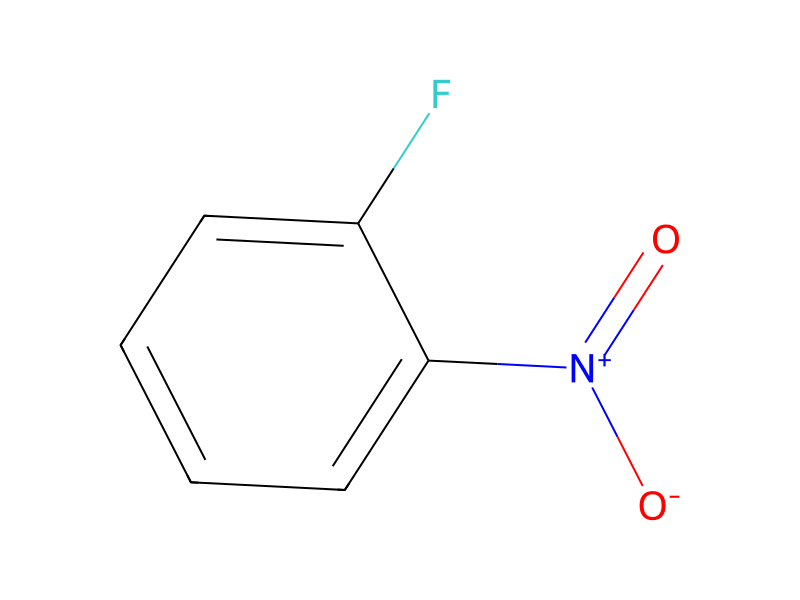
HCID 313Hydrochloric AcidHCID 6341EthylamineHCID 682631,1'-CarbonyldiimidazoleHCID 738951-Fluoro-2-nitrobenzeneHCID 4311764Sodium borohydride

Product 1

HCID 823201-Ebio

Reagents, catalysts & solvents 3

HCID 23938
Palladium
Catalyst
HCID 887MethanolSolvent2×
HCID 8857Ethyl AcetateSolvent

Conditions

Temperature
55 °C

Procedure

To a solution of ethylamine in methanol (2.0 M, 150 mL, 300 mmol) was added 1-fluoro-2-nitrobenzene (8 mL, 75.7 mmol). The reaction mixture was placed in a sealed vessel and heated to 55° C. for 15 hours. The solvent was removed in vacuo and residue taken up in ethyl acetate (200 mL), washed with a saturated aqueous sodium bicarbonate solution (80 mL), and dried over anhydrous sodium sulfate (50 g). After removal of solvent, the residue was dissolved in anhydrous THF (150 mL) and to the solution added sodium borohydride (5.8 g, 153 mmol) and 5% palladium on carbon (150 mg). Methanol (25 mL) was then added at room temperature under nitrogen in a dropwise manner. After addition, the reaction mixture was stirred at room temperature for about 30 minutes until the reaction was complete and filtered through a pad of celite. The filtrate was taken up in ethyl acetate (200 mL), washed with a saturated aqueous ammonium chloride solution (80 mL), dried (Na2SO4), and concentrated. The residue was dissolved in anhydrous THF (200 mL) and to the solution was added 1,1′-carbonyldiimidazole (10 g, 62 mmol). The mixture was stirred at room temperature under nitrogen for 12 hours and ethyl acetate (250 mL) and a cold 3N aqueous HCl solution (200 mL) added. The organic layer was separated, dried (Na2SO4), and concentrated to afford 1-ethyl-1,3-dihydro-benzimidazol-2-one as a white solid (8.5g, 69% for three steps). MS (ES) m/z 163.2.


Workup

  1. customThe reaction mixture was placed in a sealed vessel
  2. customThe solvent was removed in vacuo and residue
  3. washwashed with a saturated aqueous sodium bicarbonate solution (80 mL)
  4. dry with materialdried over anhydrous sodium sulfate (50 g)
  5. customAfter removal of solvent
  6. dissolutionthe residue was dissolved in anhydrous THF (150 mL) and to the solution
  7. additionAfter addition
  8. filtrationfiltered through a pad of celite
  9. washwashed with a saturated aqueous ammonium chloride solution (80 mL)
  10. dry with materialdried (Na2SO4)
  11. concentrationconcentrated
  12. dissolutionThe residue was dissolved in anhydrous THF (200 mL) and to the solution
  13. stirringThe mixture was stirred at room temperature under nitrogen for 12 hours
  14. customThe organic layer was separated
  15. dry with materialdried (Na2SO4)
  16. concentrationconcentrated

Sources & evidence

ORD record
ord-93124d33e80d467e9d6fc07108405829
Source dataset
uspto-grants-2010_03
DOI
10.6084/m9.figshare.5104873.v1
Patent number
US07687529B2

Reaction notes

On this pageParticipantsConditionsProcedureWorkupSources & evidenceReaction notes