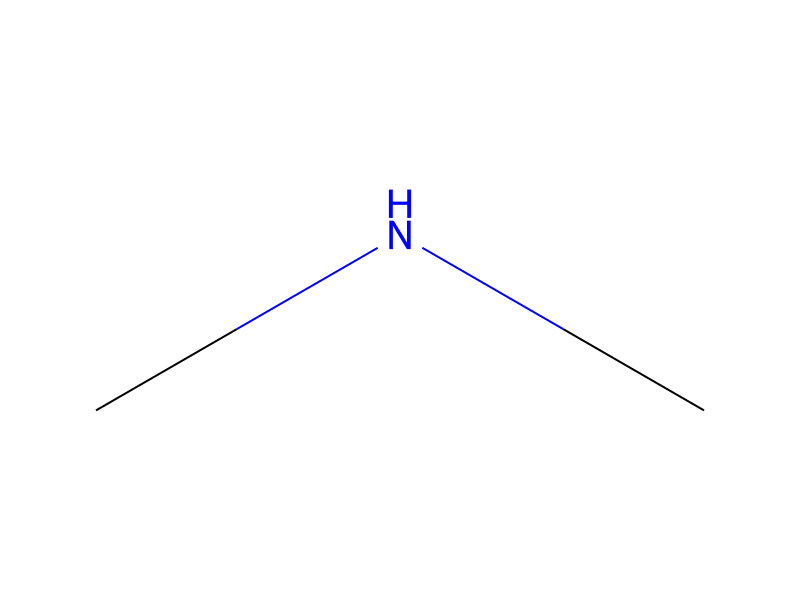
NS(N)(=O)=O.Cl[CH2:7][CH2:8][CH2:9][S:10]([N:13]1[CH2:18][CH2:17][CH:16]([C:19]2[C:27]3[C:22](=[C:23]([C:34]([NH2:36])=[O:35])[CH:24]=[C:25]([C:28]4[CH:33]=[CH:32][CH:31]=[CH:30][CH:29]=4)[CH:26]=3)[NH:21][CH:20]=2)[CH2:15][CH2:14]1)(=[O:12])=[O:11].[CH3:37][NH:38][CH3:39].C([O-])([O-])=O.[K+].[K+].[Na+].[I-]>>[CH3:37][N:38]([CH3:39])[CH2:7][CH2:8][CH2:9][S:10]([N:13]1[CH2:18][CH2:17][CH:16]([C:19]2[C:27]3[C:22](=[C:23]([C:34]([NH2:36])=[O:35])[CH:24]=[C:25]([C:28]4[CH:33]=[CH:32][CH:31]=[CH:30][CH:29]=4)[CH:26]=3)[NH:21][CH:20]=2)[CH2:15][CH2:14]1)(=[O:12])=[O:11]Following the general procedure for aminosulfonamide formation outlined in example 2, 3-{1-[(3-chloropropyl)sulfonyl]-4-piperidinyl}-5-phenyl-1H-indole-7-carboxamide (47 mg, 0.1 mmol) and dimethylamine (2.0M in THF, 0.5 mL, 0.5 mmol), were allowed to react in the presence of K2CO3 (55.2 mg, 0.4 mmol) and NaI (Cat. 1.51 mg). The resulting residue was purified by reverse phase HPLC eluting with 10% B to 80% B, where A=H2O (0.1% trifluoroacetic acid) and B=CH3CN (0.1% trifluoroacetic acid) to give the title compound (8.7 mg, 19%).
Loading…