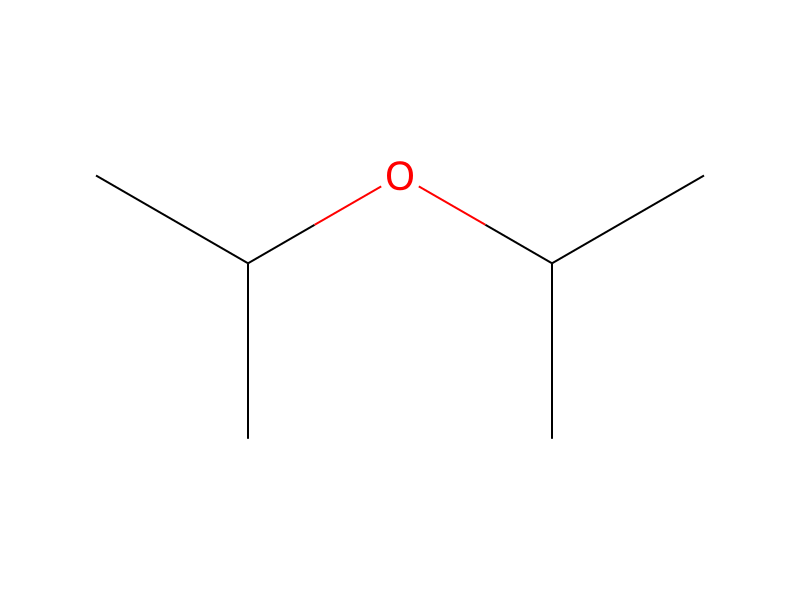
[F:1][C:2]1[CH:3]=[C:4]([NH:8][C:9]2[N:14]=[C:13]([NH:15][CH2:16][CH2:17][CH3:18])[C:12]([C:19]#[C:20][CH2:21][CH2:22][CH2:23][N:24]3C(=O)C4C(=CC=CC=4)C3=O)=[CH:11][N:10]=2)[CH:5]=[CH:6][CH:7]=1.C(OC(C)C)(C)C>O1CCCC1.C(O)C.O.NN>[NH2:24][CH2:23][CH2:22][CH2:21][C:20]#[C:19][C:12]1[C:13]([NH:15][CH2:16][CH2:17][CH3:18])=[N:14][C:9]([NH:8][C:4]2[CH:5]=[CH:6][CH:7]=[C:2]([F:1])[CH:3]=2)=[N:10][CH:11]=1To a solution of 2-(5-(2-((3-fluorophenyl)amino)-4-(propylamino)pyrimidin-5-yl)-4-pentyn-1-yl)isoindoline-1,3-dione (F3, 2.51 g) in tetrahydrofuran (20 mL) and ethanol (10 mL), hydrazine monohydrate (5.1 mL) was added at room temperature, and the mixture was stirred for 10 minutes under reflux by heating. To the reaction mixture, ethanol (10 mL) was added, and the mixture was stirred at room temperature for 3 hours and 20 minutes. To the reaction mixture, diisopropyl ether was added, the insoluble matter was removed by filtration, and then water was added to the filtrate. The organic layer was separated, washed successively with saturated aqueous sodium hydrogencarbonate and saturated aqueous sodium chloride, and then dried over anhydrous magnesium sulfate. The solvent was evaporated under reduced pressure to obtain 5-(5-amino-1-pentyn-1-yl)-N2-(3-fluorophenyl)-N4-propylpyrimidine-2,4-diamine (F4, 1.10 g) as white solid.
Loading…