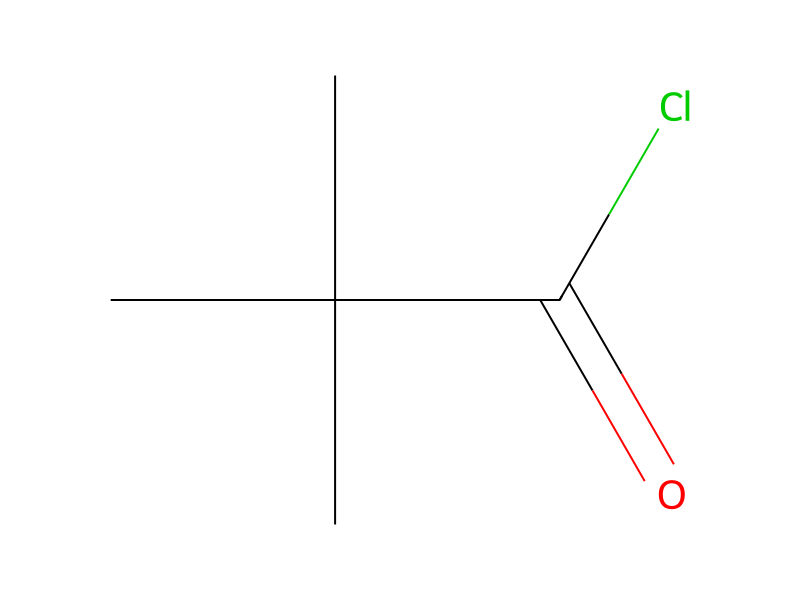
[C:1]([CH:9]([CH2:13][CH3:14])C(O)=O)(=[O:8])[C:2]1[CH:7]=[CH:6][CH:5]=[CH:4][CH:3]=1.[C:15](Cl)(=[O:20])C(C)(C)C.[C:22]1([CH:28]2[CH2:32][O:31][C:30](=[O:33])[NH:29]2)[CH:27]=[CH:26][CH:25]=[CH:24][CH:23]=1.S(=O)(=O)(O)O>ClCCl.CN(C)C=O.CN(C)C1C=CN=CC=1.C(N(CC)CC)C>[O:33]=[C:30]1[N:29]([C:15](=[O:20])[CH2:14][CH2:13][CH2:9][C:1]([C:2]2[CH:3]=[CH:4][CH:5]=[CH:6][CH:7]=2)=[O:8])[CH:28]([C:22]2[CH:23]=[CH:24][CH:25]=[CH:26][CH:27]=2)[CH2:32][O:31]110 g of benzoylbutyric acid and 12.5 ml of triethylamine are dissolved in 55 ml of dichloromethane. After 5 min at room temperature, 6.2 ml of pivaloyl chloride are added over a period of 30 min, and the mixture is stirred for 2 hours. 5.9 g of 4-phenyloxazolidin-2-one in 6 ml of dimethylformamide and 0.9 g of 4-(dimethylamino)pyridine are then added. The mixture is heated at reflux for about 7 hours (monitored by TLC). After the reaction has ended, the mixture is put into 15 ml of 2N sulfuric acid and stirred briefly, and the phases are then separated. The org. phase is washed with 5 percent strength bicarbonate solution and, after drying, concentrating and recrystallization from ethyl acetate/n-heptane, the product of molecular weight 337.4 (C20H19NO4); MS (DCl+): 338 (M+H+), is obtained. By the same route, optically active/enantiomerically enriched 2 is obtained when optically active/enantiomerically enriched 4-phenyloxazolidin-2-one is used.