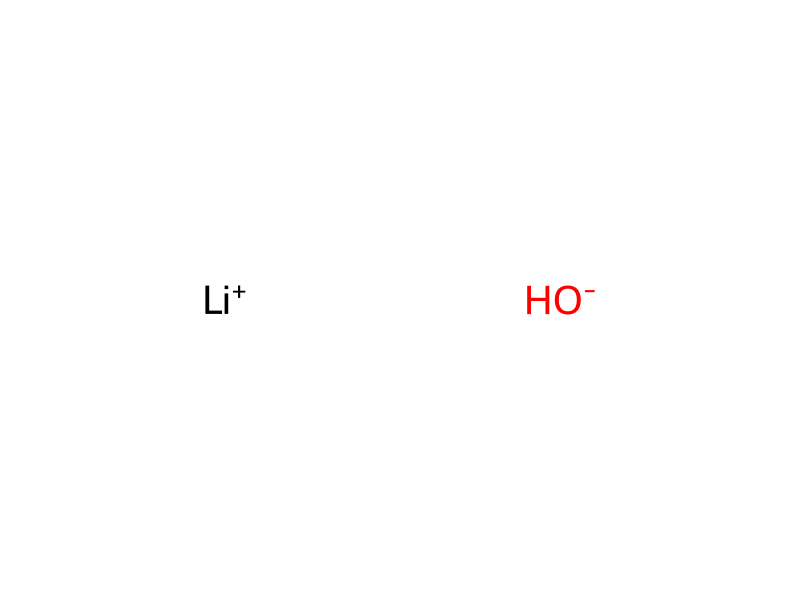
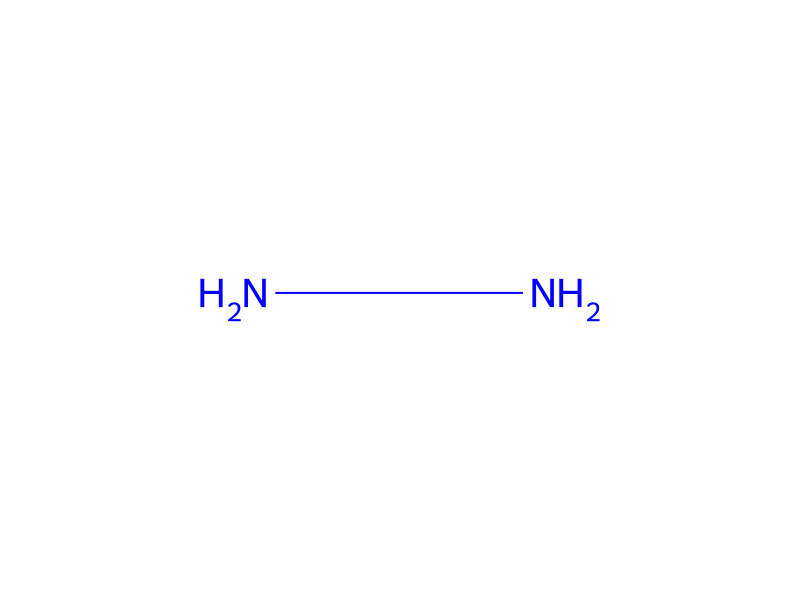
[NH2:1][NH2:2].COC(=O)[CH:6]([C:14]1[CH:19]=[N:18][C:17]([C:20](=O)[C:21]2[CH:26]=[CH:25][CH:24]=[CH:23][C:22]=2[Cl:27])=[C:16](Cl)[N:15]=1)[C:7]1[CH:12]=[CH:11][CH:10]=[CH:9][C:8]=1[F:13].[OH-].[Li+].Cl>C1COCC1.O>[Cl:27][C:22]1[CH:23]=[CH:24][CH:25]=[CH:26][C:21]=1[C:20]1[C:17]2[C:16](=[N:15][C:14]([CH2:6][C:7]3[CH:12]=[CH:11][CH:10]=[CH:9][C:8]=3[F:13])=[CH:19][N:18]=2)[NH:2][N:1]=1Hydrazine (54 mg, 1.7 mmol) was added to a solution of [6-Chloro-5-(2-chloro-benzoyl)-pyrazin-2-yl]-(2-fluoro-phenyl)-acetic acid methyl ester (0.59 g, 1.4 mmol) in 50 mL THF at 0° C., and the reaction mixture was stirred and allowed to warm to room temperature. Lithium hydroxide (27 mg, 5.0 mmol) was added, and the reaction mixture was stirred for 64 hours at room temperature. Concentrated aqueous HCl (1 ml) was then added, and the reaction mixture was stirred for one hour at room temperature. The reaction mixture was poured into water, extracted with diethyl ether, and the combined organic phases were dried over MgSO4, filtered, and evaporated under reduced pressure. The residue was purified via chromatography using 5% ethyl acetate in hexanes as the eluent to afford 0.151 g of 3-(2-Chloro-phenyl)-6-(2-fluoro-benzyl)-1H-pyrazolo[3,4-b]pyrazine. Mass Spec. M+H=340.