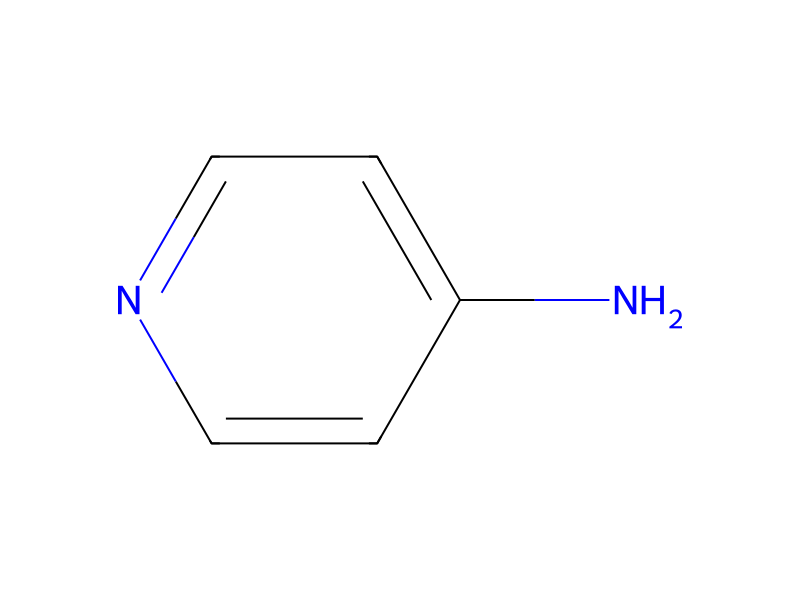
[C:1](Cl)(=[O:5])[C:2](Cl)=[O:3].[N+:7]([C:10]1[CH:25]=[CH:24][C:13]([CH2:14][N:15]2[C:23]3[C:18](=[CH:19][CH:20]=[CH:21][CH:22]=3)[CH:17]=[CH:16]2)=[CH:12][CH:11]=1)([O-:9])=[O:8].[NH2:26][C:27]1[CH:32]=[CH:31][N:30]=[CH:29][CH:28]=1>CCOCC.O1CCCC1>[N:30]1[CH:31]=[CH:32][C:27]([NH:26][C:1](=[O:5])[C:2]([C:17]2[C:18]3[C:23](=[CH:22][CH:21]=[CH:20][CH:19]=3)[N:15]([CH2:14][C:13]3[CH:12]=[CH:11][C:10]([N+:7]([O-:9])=[O:8])=[CH:25][CH:24]=3)[CH:16]=2)=[O:3])=[CH:28][CH:29]=1A solution of 4.50 ml of oxalyl chloride in 50 ml of ether is treated dropwise with a solution of 10.09 g (0.04 mol) of 1-(4-nitrobenzyl)indole in 50 ml of ether at OC [sic] and under a nitrogen atmosphere. The mixture is heated at reflux temperature for 2 hours and the solvent is then evaporated. 100 ml of tetrahydrofuran are added to the residue, it is cooled to −5° C. and a solution of of [sic] 9.32 g (0.099 mol) of 4-aminopyridine in 400 ml of tetrahydrofuran is added dropwise. The mixture is heated to reflux for 3 hours and allowed to stand at room temperature overnight. The 4-aminopyridine hydrochloride is filtered off with suction, the precipitate is washed with tetrahydrofuran, the filtrate is concentrated in vacuo and the residue is recrystallized from ethyl acetate.