Reaction equation

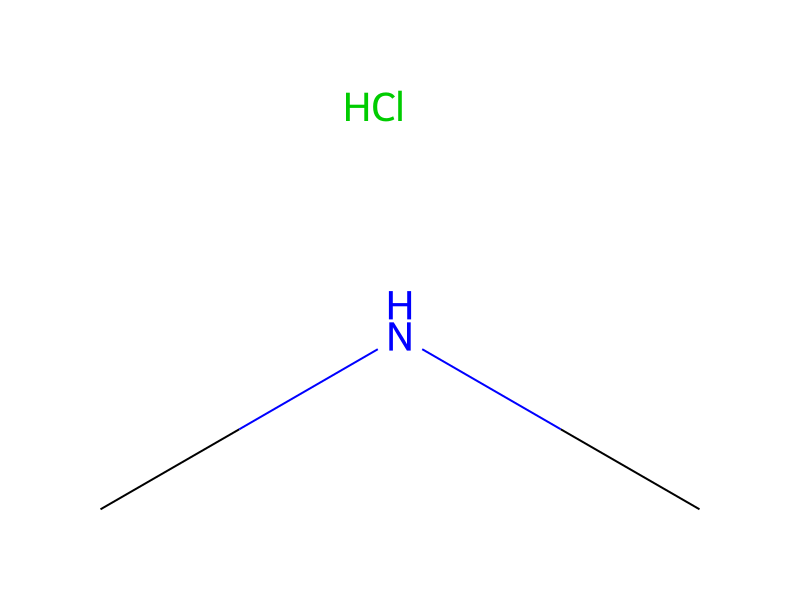
[Br:1][C:2]1[CH:7]=[CH:6][C:5]([CH2:8][CH2:9][C:10]([OH:12])=O)=[CH:4][CH:3]=1.[C:13](N1C=CN=C1)([N:15]1C=CN=[CH:16]1)=O.Cl.CNC.C(N(C(C)C)CC)(C)C>ClCCl>[Br:1][C:2]1[CH:7]=[CH:6][C:5]([CH2:8][CH2:9][C:10]([N:15]([CH3:16])[CH3:13])=[O:12])=[CH:4][CH:3]=1Participants
6





Procedure
A solution of 3-(4-bromophenyl)propionic acid (1.0 g, 4.37 mmol) in dichloromethane (30 ml) was treated in one portion with solid 1,1′-carbonyldiimidazole (707 mg, 4.36 mmol). This mixture was allowed to stir at room temperature for 15 minutes. Dimethylamine hydrochloride (360 mg, 4.42 mmol) was then added followed by diisopropylethylamine (0.76 ml, 4.4 mmol) and the stirring continued for 1 hour at room temperature. The reaction mixture was partitioned between dichloromethane and saturated sodium bicarbonate solution. The organic layer was dried over sodium sulphate and evaporated under reduced pressure to give the title compound as a colourless oil (972 mg, 87%).
Workup
- waitthe stirring continued for 1 hour at room temperature
- customThe reaction mixture was partitioned between dichloromethane and saturated sodium bicarbonate solution
- dry with materialThe organic layer was dried over sodium sulphate
- customevaporated under reduced pressure
Sources & evidence
- ORD record
- ord-5afa863fe97e47039bb77d383870622a
- Source dataset
- uspto-grants-2009_07
- Patent number
- US07566735B2
Linked notes
Loading…