Sodium Bicarbonate → HCID 178520191, compound
HRID 230733
Reaction equation

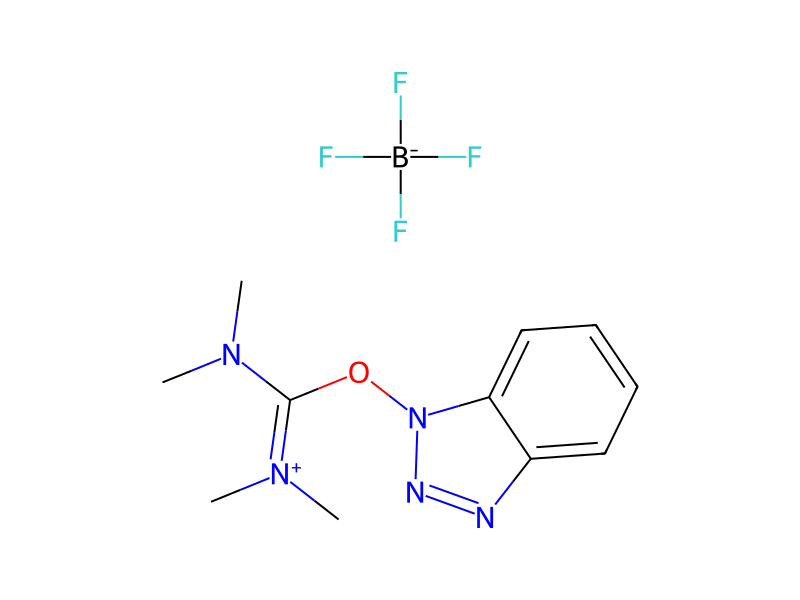
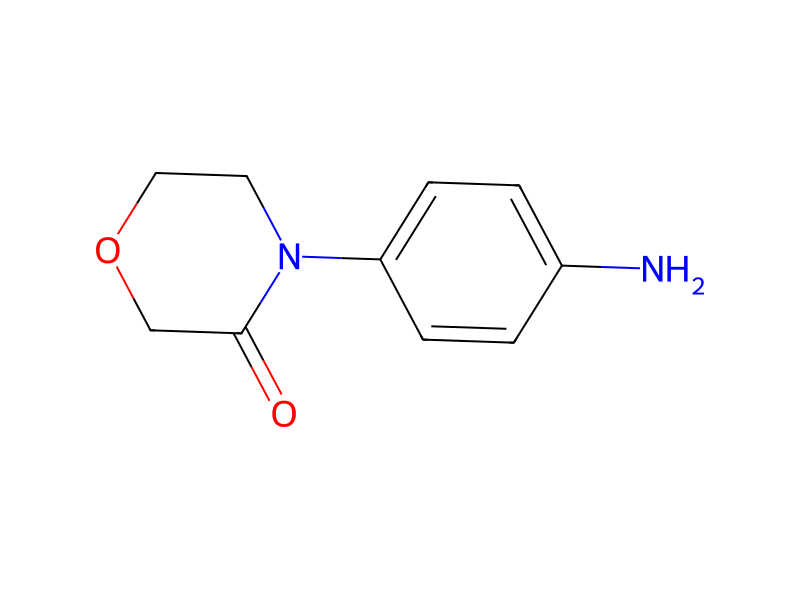
F[B-](F)(F)F.N1(OC(N(C)C)=[N+](C)C)C2C=CC=CC=2N=N1.[Cl:23][C:24]1[S:28][C:27]([C:29]2[NH:33][C:32]3[CH:34]=[CH:35][C:36]([CH2:38][C:39]([OH:41])=O)=[CH:37][C:31]=3[N:30]=2)=[CH:26][CH:25]=1.[NH2:42][C:43]1[CH:48]=[CH:47][C:46]([N:49]2[CH2:54][CH2:53][O:52][CH2:51][C:50]2=[O:55])=[CH:45][CH:44]=1.C(=O)([O-])O.[Na+]>CN(C)C=O>[Cl:23][C:24]1[S:28][C:27]([C:29]2[NH:33][C:32]3[CH:34]=[CH:35][C:36]([CH2:38][C:39]([NH:42][C:43]4[CH:44]=[CH:45][C:46]([N:49]5[CH2:54][CH2:53][O:52][CH2:51][C:50]5=[O:55])=[CH:47][CH:48]=4)=[O:41])=[CH:37][C:31]=3[N:30]=2)=[CH:26][CH:25]=1Participants
6