HomeMCPWorkbenchSkills
HomeWorkbenchNotificationsMe
llms.txt · MCP GuidePrivacy Policy · Terms of Service · Supportv1.8.0
  1. Home
  2. /Reaction

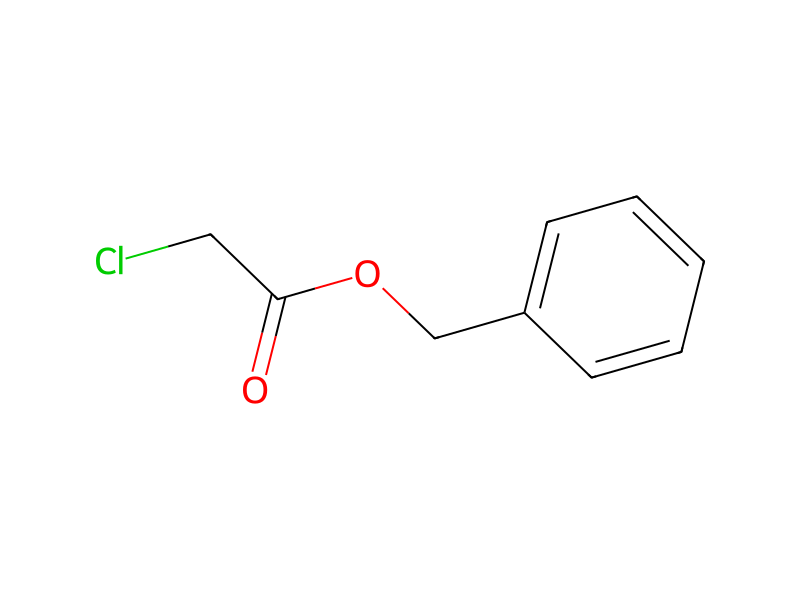
Acetic acid, 2-chloro-, phenylmethyl ester → HCID 69708713, compound

HRID 2307742
Notes
Print preview

Reaction equation

HRID 2307742 reaction equation
[C:1]([O:4][C@H:5]1[C@@H:11]([O:12][C:13](=[O:15])[CH3:14])[C@H:10]([O:16][C:17](=[O:19])[CH3:18])[C@@H:9]([CH2:20][O:21][C:22](=[O:24])[CH3:23])[O:8][CH:6]1[OH:7])(=[O:3])[CH3:2].CC(C)([O-])C.[Na+].C([O:38][C:39](=[O:42])[CH2:40]Cl)C1C=CC=CC=1.COC(C)(C)C>[Cl-].C([N+](CCCC)(CCCC)CCCC)CCC.CS(C)=O>[C:1]([O:4][C@@H:5]1[C@@H:11]([O:12][C:13](=[O:15])[CH3:14])[C@@H:10]([O:16][C:17](=[O:19])[CH3:18])[C@@H:9]([CH2:20][O:21][C:22](=[O:24])[CH3:23])[O:8][CH:6]1[O:7][CH2:40][C:39]([OH:42])=[O:38])(=[O:3])[CH3:2]
ParticipantsConditionsProcedureWorkupSources & evidenceReaction notes

Participants

7

Reactant 4

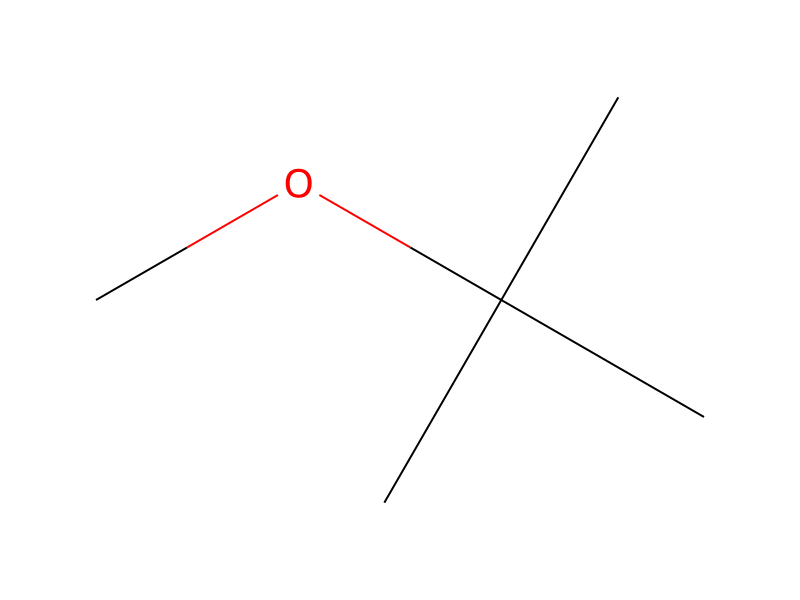
HCID 8786Acetic acid, 2-chloro-, phenylmethyl esterHCID 15413tert-Butyl methyl etherHCID 117598232,3,4,6-TETRA-O-ACETYL-D-MANNOPYRANOSEHCID 23676156Sodium t-butoxide

Product 1

HCID 69708713HCID 69708713, compound

Reagents, catalysts & solvents 2

HCID 70681
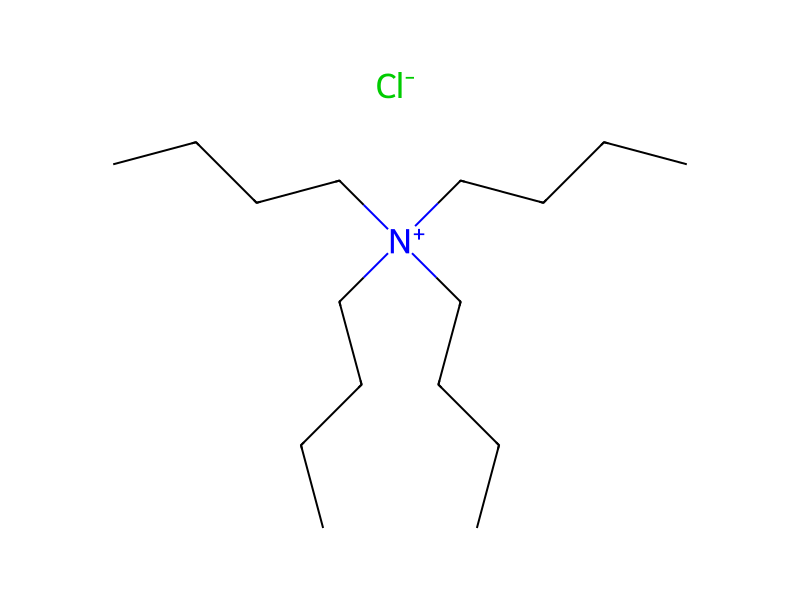
Tetrabutylammonium Chloride
Catalyst
HCID 679Dimethyl SulfoxideSolvent

Conditions

Temperature
0 °C

Procedure

A mixture that consists of 34.83 g (100 mmol) of 2,3,4,6-tetra-O-acetyl-mannopyranose, 1.39 g (5 mmol) of tetrabutylammonium chloride and 9.62 g (100 mmol) of sodium-t-butoxide in 350 ml of dimethyl sulfoxide is cooled to 0° C. At 0° C., 36.92 g (200 mmol) of chloroacetic acid benzyl ester is added in drops over 20 minutes while being stirred vigorously. It is stirred for one hour at 10° C. 250 ml of methyl-tert-butyl ether is added, the organic phase is separated, and it is filtered. The solvent is distilled off in a vacuum. The residue is taken up in 500 ml of ethanol. 5 g of palladium (10%) on activated carbon is added thereto and hydrogenated until hydrogen absorption is completed. Catalyst is filtered out, it is rewashed with a little ethanol and evaporated to the dry state in a vacuum. The residue is chromatographed on silica gel (mobile solvent: dichloromethane/n=hexane/ethanol/acetic acid=20:5:3:0.5). The product-containing fractions are concentrated by evaporation, dissolved in 400 ml of ethyl acetate and shaken out three times with 200 ml of water. Then, the organic phase is separated and evaporated to the dry state in a vacuum.

Workup

  1. stirringIt is stirred for one hour at 10° C
  2. customthe organic phase is separated
  3. filtrationit is filtered
  4. distillationThe solvent is distilled off in a vacuum
  5. addition5 g of palladium (10%) on activated carbon is added
  6. customhydrogenated until hydrogen absorption
  7. filtrationCatalyst is filtered out
  8. customevaporated to the dry state in a vacuum
  9. customThe residue is chromatographed on silica gel (mobile solvent: dichloromethane/n=hexane/ethanol/acetic acid=20:5:3:0.5)
  10. concentrationThe product-containing fractions are concentrated by evaporation
  11. dissolutiondissolved in 400 ml of ethyl acetate
  12. stirringshaken out three times with 200 ml of water
  13. customThen, the organic phase is separated
  14. customevaporated to the dry state in a vacuum

Sources & evidence

ORD record
ord-1a0f37d6b835401c8df2077a5b424514
Source dataset
uspto-grants-2004_12
DOI
10.6084/m9.figshare.5104873.v1
Patent number
US06831164B2

Reaction notes

Loading…

On this pageParticipantsConditionsProcedureWorkupSources & evidenceReaction notes